


IN THE MARKET? – CLICK BELOW FOR OPEN HOMES THIS SATURDAY



When Humpybong’s first pupils arrived for school on 1 February 1876, their classroom was a small slab-and-bark building near what is now Elizabeth Avenue and Duffield Road.
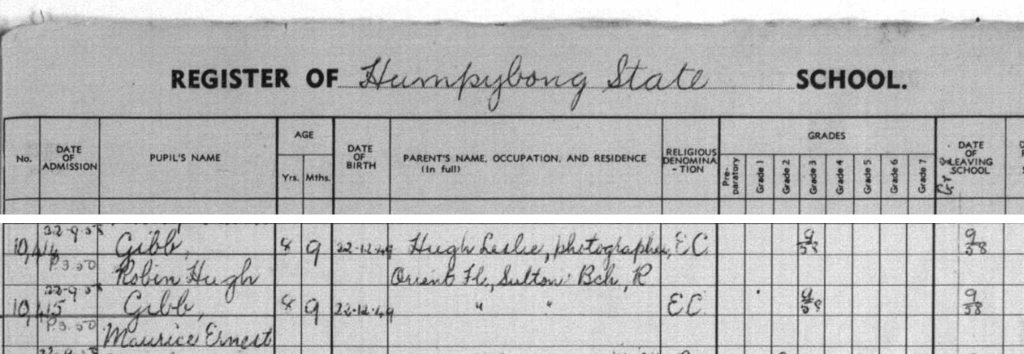
In the 150 years since, the school has moved to Ernest Street, split into separate primary and infants schools and come back together again. Its enrolment eventually climbed to almost 1,000, and among the thousands of children who passed through its classrooms were three brothers named Barry, Robin and Maurice Gibb.
Redcliffe changed just as dramatically around it. Yet one thing survived all those changes: the Humpybong name, inherited from an earlier chapter of the Peninsula’s history and still carried by the school today.
This September, Humpybong State School marks its 150th anniversary.
READ: When Dolly Came to Brisbane: A Local Farewell to a Country Music Legend
The Name Redcliffe Didn’t Erase
Humpybong is an unusual name now, but in the 19th century it was much more familiar locally. City of Moreton Bay historical records associate it with Aboriginal words describing the shelters left behind after the Moreton Bay penal settlement was moved from Redcliffe to the Brisbane River in 1825.
The precise translation is less certain than some popular accounts suggest. Council traces the name to ngumpin, later anglicised as “oopie-bong”, with “humpy” or “oompie” referring to shelter and “bong” presumed to mean vanished.
As Redcliffe became the established name for the Peninsula, Humpybong gradually receded from everyday use. The school kept it, making it one of the most visible reminders of the older place name.
From Elizabeth Avenue to Ernest Street
The original slab-and-bark schoolhouse was replaced by another building nearby in 1878. Three decades later came a much bigger change.
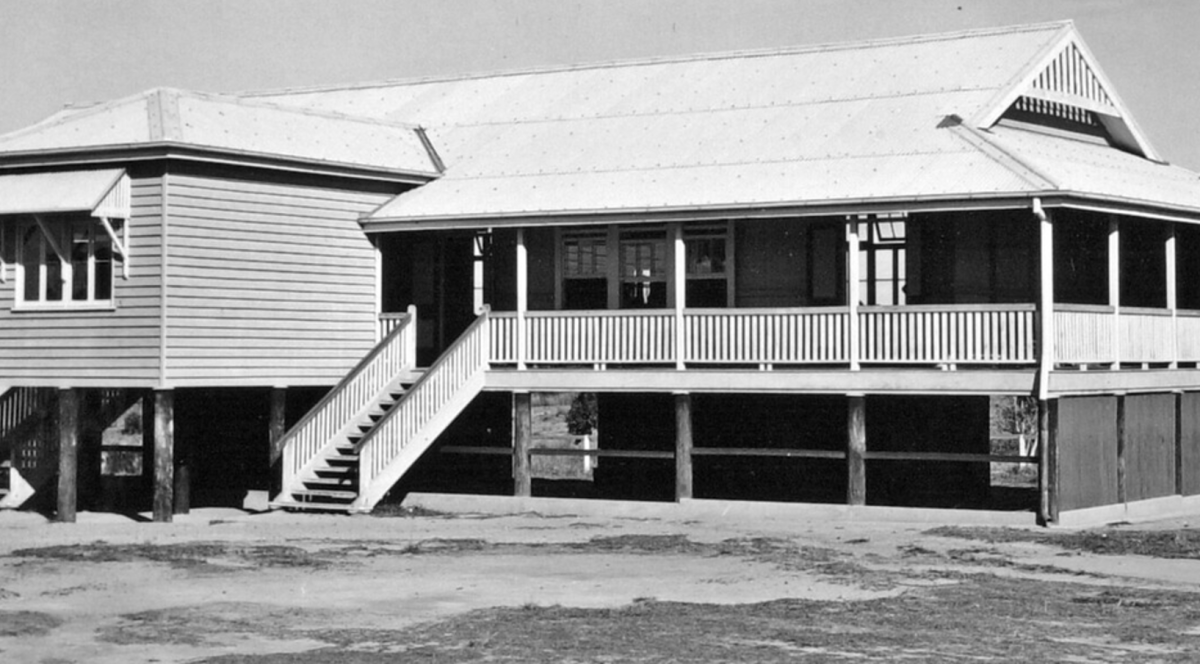
Humpybong Provisional School and the separately operated Redcliffe Provisional School both closed in December 1908. Their pupils came together in March 1909 at a new Humpybong State School in Ernest Street, where the school remains today.
The district around it was changing quickly. The Hornibrook Highway opened in 1935, and post-war growth pushed Redcliffe’s population from 8,871 in 1947 to about 18,000 by 1959.
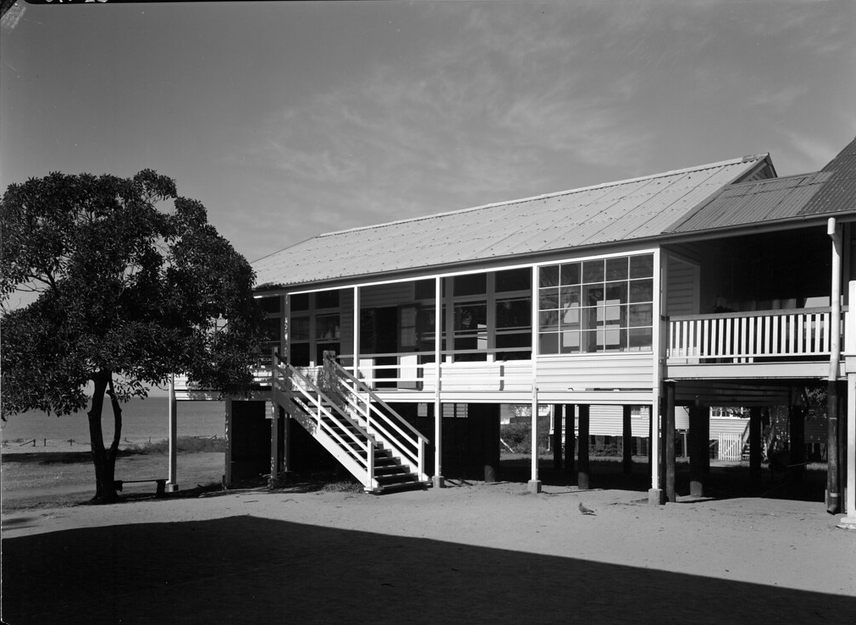
Humpybong grew with it. A Queensland State Archives photograph records a new classroom in 1952, and in 1959 Humpybong State Infants School opened separately for younger children. The two schools remained separate until they were reunited in 1998.
Nearly 1,000 Pupils by 1999
Official records put Humpybong State School’s enrolment at 992 students in 1999. Today it is considerably smaller, with Department of Education figures recording 464 Prep to Year 6 students in February 2026 and Benjamin Reed as principal.


Those figures bookend one period of a school that has repeatedly changed size and shape as the Peninsula around it changed.
READ: Bells Caravan Park Mural Will Put Clontarf’s Stories on the Wall


A Bell From 1929
One piece of Humpybong’s earlier school life survives at Redcliffe Museum: a school bell dating from 1929. For the anniversary, it is being displayed alongside old uniforms and other memorabilia.
The museum will host an Alumni Stories afternoon from 1pm to 3pm on Saturday 12 September, followed by Humpybong State School History: Then and Now from 10am to noon on Saturday 19 September, looking at changes in classrooms, teaching, transport and school life.
The school’s main birthday celebration takes over Waterfront Oval from 4pm to 8.15pm on Friday 11 September, with performances, fete activities, a bush dance and birthday cake. Entry is free, with an RSVP requested to help organisers plan numbers.
Former students and staff return the following morning for the Humpy Tea Reunion from 9am to 12.30pm, featuring school tours, historical displays, memorabilia and an art show.
The Peninsula outside Humpybong’s gates bears little resemblance to the place where children first walked into a slab-and-bark classroom in 1876. The school has moved and rebuilt, generations have come and gone, but 150 years later the old Humpybong name remains.
Published 7-September-2026


CLICK ANY LOGO TO SEE PUBLICATION