

IN THE MARKET? – CLICK BELOW FOR OPEN HOMES THIS SATURDAY



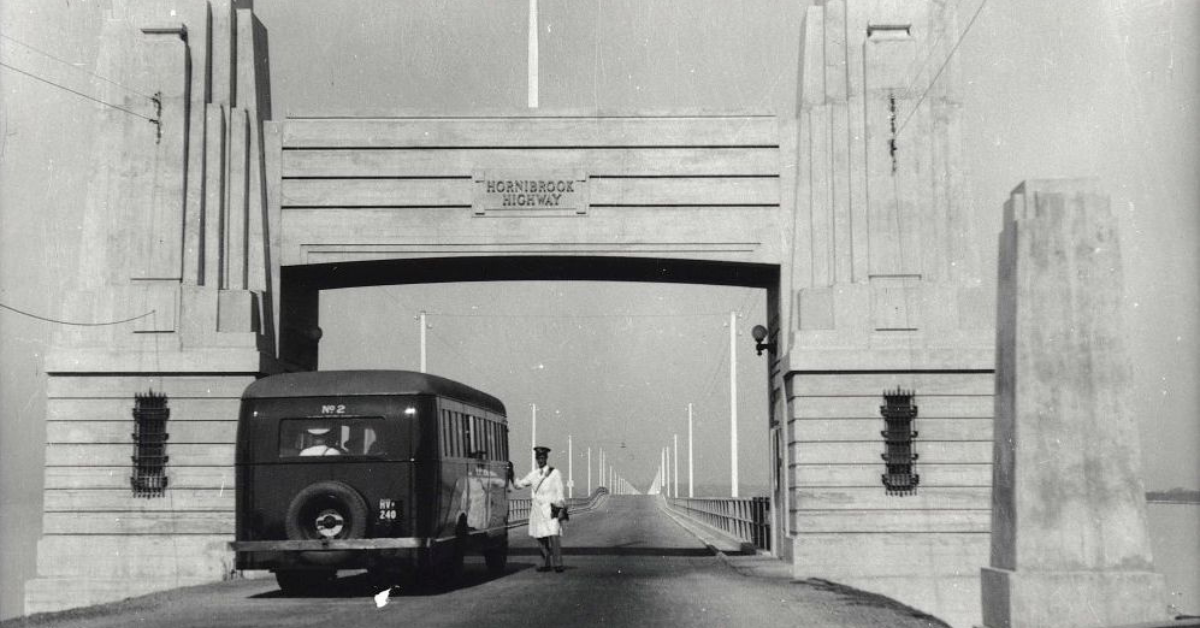
An incredible feat of private enterprise born from the Great Depression, the record-breaking Hornibrook Bridge, was honoured by the Redcliffe community on its 90th anniversary for its pivotal role in transforming the peninsula from an isolated outpost to a thriving city.
A Landmark’s Legacy
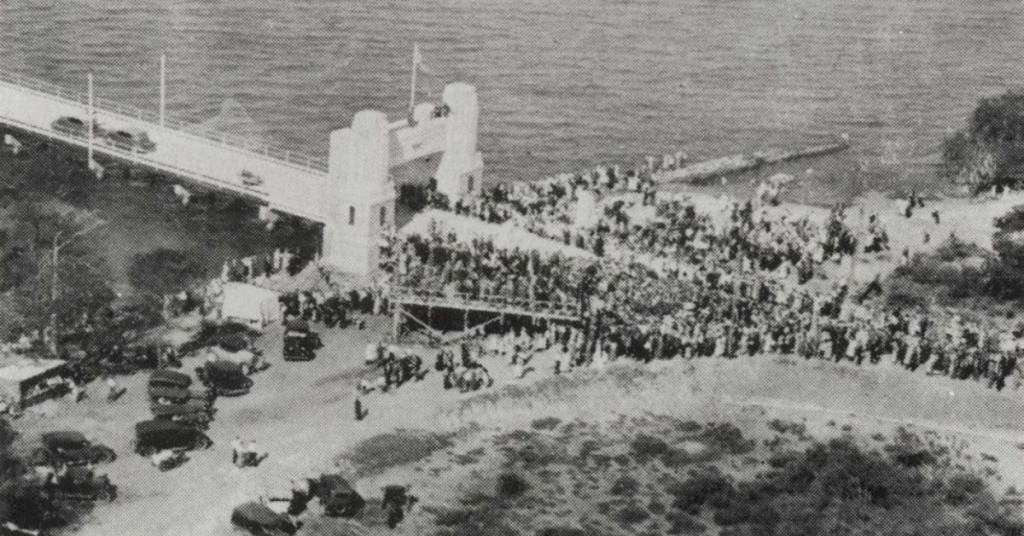
A special event at the Redcliffe Museum recently marked the 90th anniversary of the bridge’s official opening. The celebration, which took place on a Saturday, brought together a community still deeply connected to the timber and concrete superstructure that first opened to traffic on October 4, 1935.


Julie Hornibrook, the granddaughter of the bridge’s builder, Sir Manuel Hornibrook, delivered a passionate speech about the project, its creators, and the community it served. She said she valued playing a part in bringing her grandfather’s legacy to life and has found that people remain deeply interested in the history of these big builds. She expressed pride that the people of Redcliffe continue to remember and love the bridge and its story.
From Isolation to Destination
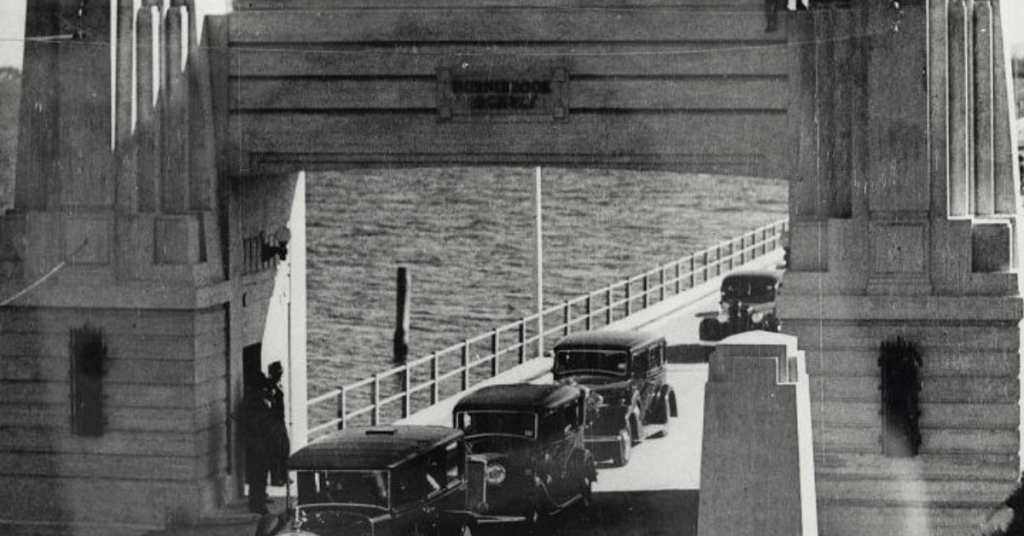
Before the bridge, the Redcliffe Peninsula was a world away from Brisbane. City of Moreton Bay Mayor, Peter Flannery, explained that the toll bridge marked the start of a new era of growth, giving the local population direct access to the city for the first time. This connection, he noted, was instrumental in opening up Redcliffe as a premier holiday destination.


The project was described as a game-changer by local councillors. Division 5 Councillor, Sandra Ruck, said the bridge left an indelible mark on the area, revolutionising local transport and transforming the economy for the better. Division 6 Councillor, Karl Winchester, added that the bridge is an intrinsic part of the fabric of Redcliffe and the wider City of Moreton Bay, with many locals holding cherished memories of the structure in its prime.
A Vision Built on Timber and Grit
Building the bridge was a monumental challenge, undertaken at the height of the Great Depression. The project was the brainchild of Sir Manuel Hornibrook, a legendary master builder who showed remarkable ingenuity and patience. Ms. Hornibrook highlighted that projects of this era were built in tough times without computers, demanding innovation and collaborative problem-solving.
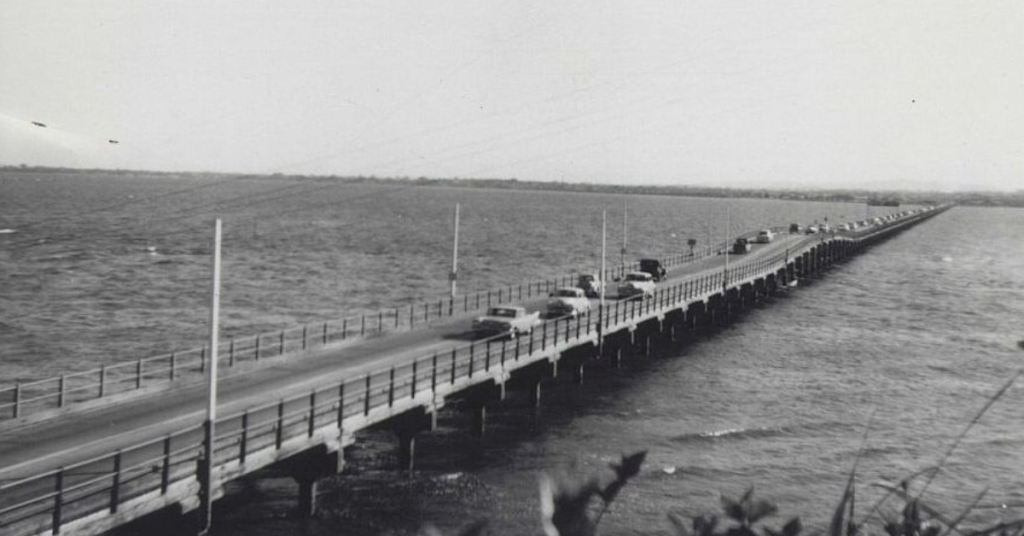
Considered one of the greatest works of private enterprise in Queensland, the project required Sir Manuel’s leadership to secure finance, timber supplies, and a workforce. Funding was raised through a government franchise that allowed his company to charge a toll, which remained at one shilling for 40 years. The enormous structure spanned over 2.6 kilometres and required approximately 2.5 million superfeet of hardwood timber. At its completion, it was the longest road viaduct in the Southern Hemisphere.


An Enduring Presence
The Hornibrook Bridge served the community for 44 years. After the adjacent Houghton Highway opened, the original bridge was closed to traffic in 1979. However, it wasn’t the end of its story. It remained a beloved local spot, staying open for people to enjoy fishing, walking, and cycling. The Hornibrook company operated the bridge until 1975, when it was handed over to the Department of Transport and Main Roads.
With the opening of the Ted Smout Bridge in 2010, the old bridge was mostly demolished. Today, its striking art deco portals and a section repurposed as a fishing pier at Clontarf are all that physically remain. Yet, even in this new form, a new generation of locals can still enjoy a piece of the history that so profoundly shaped their community.
Published Date 09-October-2025
CLICK ANY LOGO TO SEE PUBLICATION