



IN THE MARKET? – CLICK BELOW FOR OPEN HOMES THIS SATURDAY



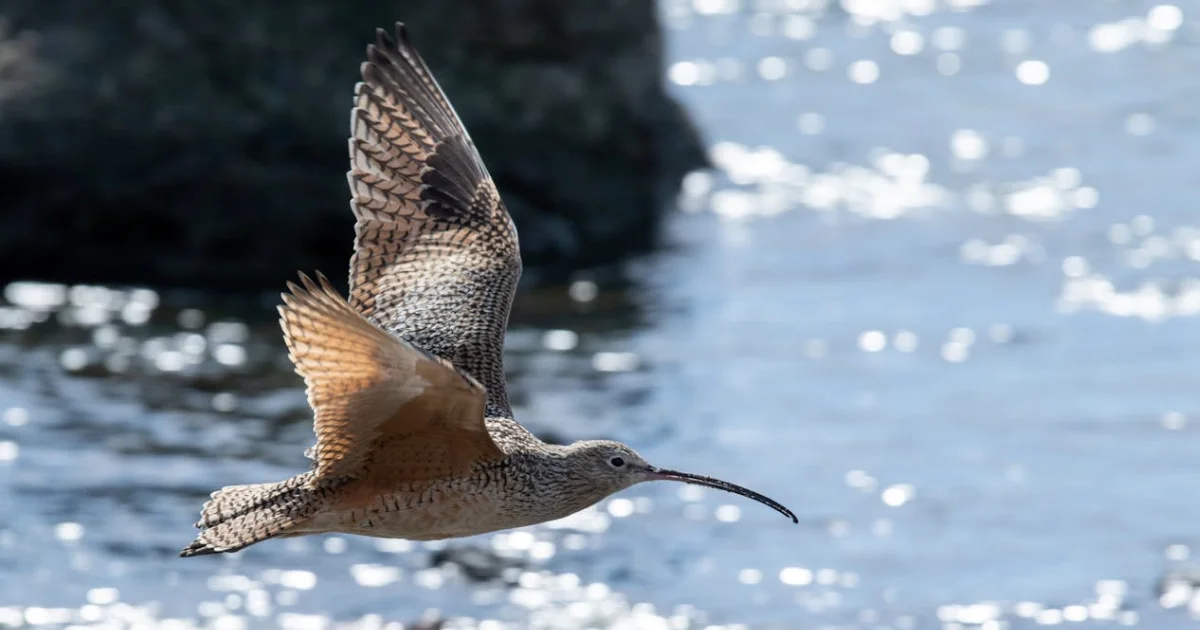
Each year, the shores of Moreton Bay become a landing place for some of the world’s most extraordinary travellers. From Banksia Beach through to Woody Point, around 40,000 migratory shorebirds arrive after journeys that stretch thousands of kilometres across continents and oceans.
Read: Coastal Protection Project Planned at Woody Point
Flying along the East Asian–Australasian Flyway, one of nine major migratory bird routes in the world, these birds connect Queensland’s coastline with distant regions such as Siberia, northern China, and Alaska. Their seasonal arrival highlights that Moreton Bay’s tidal flats, wetlands, and foreshores are part of a global network of habitats.
Among the most impressive visitors is the Bar-tailed godwit, capable of flying 11,000 kilometres non-stop from Alaska — one of the longest migratory flights known in the animal kingdom.
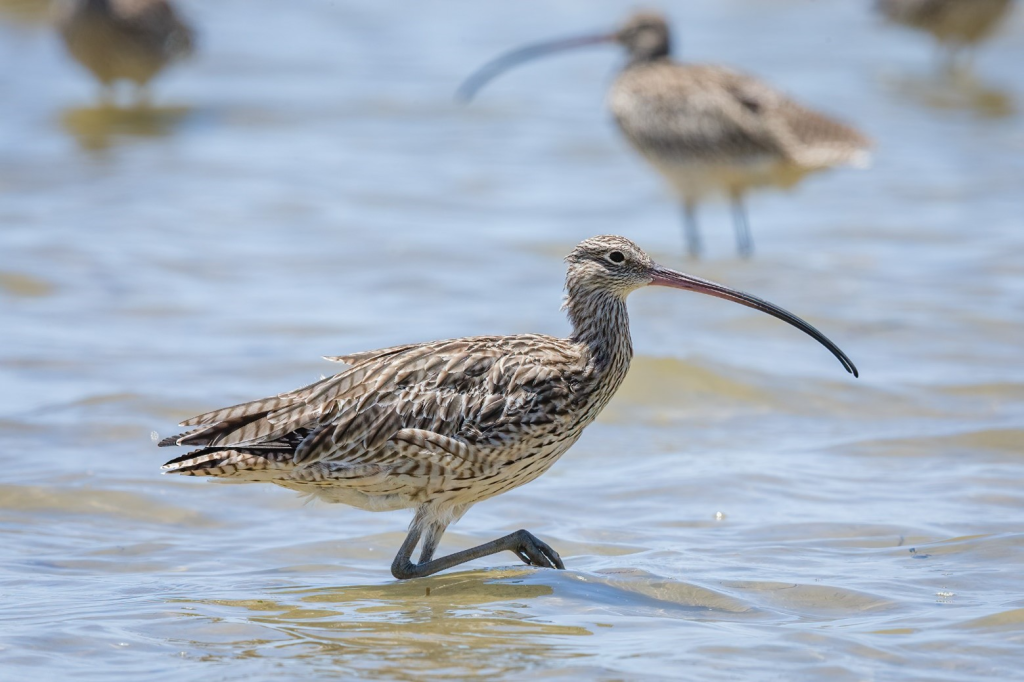
The Eastern curlew, the largest migratory shorebird in the world, makes its way from northern China, while the Curlew sandpiper travels 13,000 kilometres from Siberia. Over its lifetime, this small bird can cover a distance equal to flying from Earth to the Moon. The Grey-tailed tattler, another Siberian traveller, is a familiar sight as well.
These international guests join about 1,500 resident shorebirds from 11 species that live in the Pumicestone Passage year-round, including the Pied oystercatcher and Beach stone-curlew. Together, the migratory and resident birds rely on Moreton Bay’s sandy beaches, mudflats, rocky foreshores, and freshwater wetlands for feeding, roosting, and recovering strength.
The City of Moreton Bay, working alongside the Queensland Wader Study Group, monitors and manages these bird populations with monthly surveys and ongoing habitat care. Sites like Kakadu Beach at Banksia Beach and Ned Bishop Park in Toorbul are maintained to provide safe high-tide roosts, with protective bollards, weed control, and shoreline management helping to keep disturbance to a minimum. Education initiatives such as the Agents of Discovery app also encourage younger residents to learn about the importance of protecting shorebirds.
How to Help Protect Migratory Shorebirds
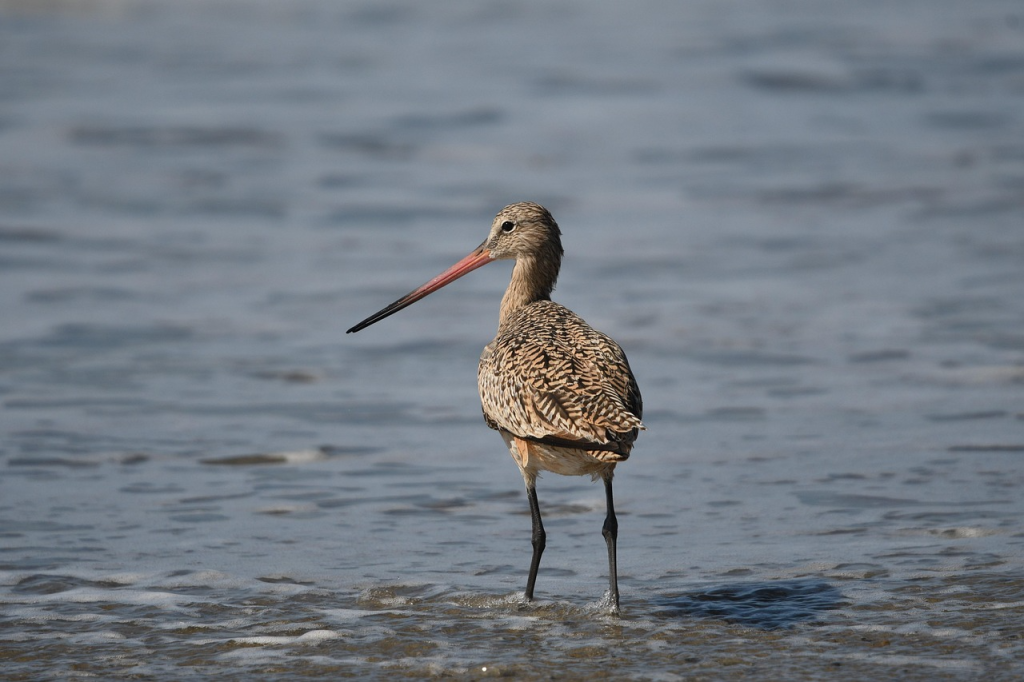
While local governments and conservation groups play their part, residents and visitors are also crucial in keeping Moreton Bay safe for shorebirds. Small actions can help ensure these birds recover enough energy for their long return flights north.
- Keep your distance. Approaching roosting or feeding birds can cause them to take flight, wasting valuable energy needed for migration.
- Leash your dogs. Dogs should be kept on a leash unless in a designated off-leash area to prevent them disturbing shorebirds.
- Avoid disturbing habitats. Activities like swimming, boating, kayaking, or fishing too close to roosting sites — especially within 100 metres — can force birds to move and lose energy.
- Keep natural areas clean. Dispose of rubbish properly, remove fishing gear, and reduce single-use plastics to help protect both the birds and their environment.
- View from a distance. Use binoculars, cameras, or bird hides to enjoy watching the birds without causing them stress.
Read: Community Outcry Over Woody Point Lookout Condition
A Global Connection on Redcliffe’s Doorstep
These birds travel from places such as Siberia to local tidal flats around Bribie Island and Redcliffe, demonstrating the international links of our local ecosystems. By caring for the foreshores at Banksia Beach, Toorbul, Godwin Beach, and Woody Point, residents play an important role in protecting these long-distance travellers. With continued management and community care, Moreton Bay can remain an important refuge for shorebirds into the future.
Published 3-October-2025


CLICK ANY LOGO TO SEE PUBLICATION