Long before Redcliffe became the peninsula community it is today, a number of families had already put down roots and taken part in its early civic life. The Greenups were one of them. Dorothy Kathleen Greenup, born in Stanthorpe on 7 March 1895, is among the family members whose story has been recorded.
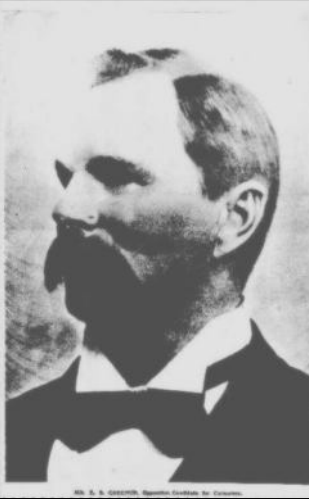
Dorothy was the daughter of Edgar Brodie Greenup, who had arrived in Sydney with his parents in 1850, attended Kings School in Parramatta, and by 1872 had joined the tin rush to Stanthorpe. He later took up a tract of country in the Texas District, naming the property Copmanhurst, where the family farmed and grew tobacco, earning awards for their efforts.
Mr Greenup was also active in public life. He served on the Inglewood Shire Council for over 20 years, including a period as Chairman, and the Masonic Lodge in Texas was named in his honour. When difficult economic conditions forced the sale of Copmanhurst in 1897, the family relocated to Redcliffe, where Mr Greenup continued his civic involvement as a member of the Redcliffe Shire Council for a further 12 years.
Dorothy attended Cambridge Ladies College in Stanthorpe and later Gennie Memorial School in Toowoomba. In 1910, aged just 15, she accompanied her father on a trip to London, where she studied piano and graduated with honours from the Royal Academy of Music.
On their return, Mr Greenup was elected to the Humpy Bong School Committee. At the time of the First World War, Mr Greenup was serving as chairman of the Redcliffe Shire Council, and both his wife and Dorothy were described as being very active in local affairs.
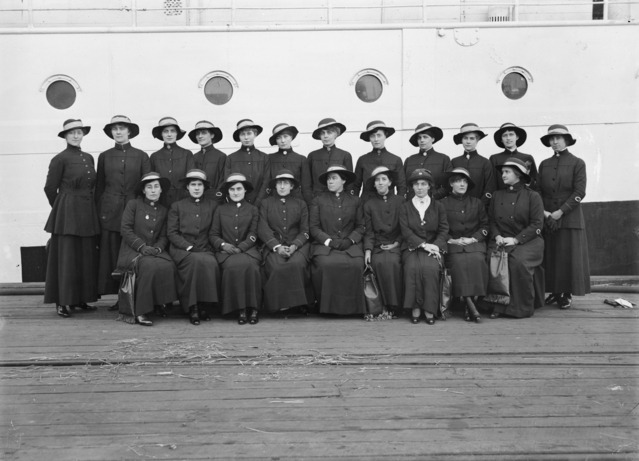
A group portrait of the “Bluebirds” nurses during their voyage from Sydney to Europe on board the HMAT ”Kanowna” (Photo credit: Australian War Memorial
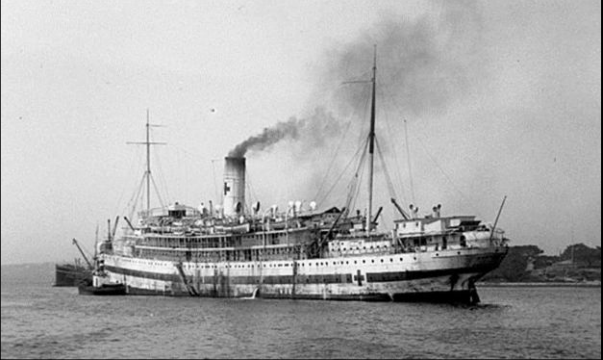
On 16 December 1915, Dorothy enlisted in the Hospital Transport Corps, listing her age as 20 years and nine months on her Attestation Paper. Six days later, on 22 December 1915, she departed Sydney aboard the HMAHS Kanowna, bound for the Middle East.
Photo credit: Redcliffe & District Family History Group Inc
Dorothy was initially assumed to be a nurse but was assigned duties as a ward assistant on the hospital ship. After the ship’s arrival in Egypt, Dorothy was repatriated to Australia and was discharged on 1 April 1916. She was subsequently awarded the British War Medal and the Victory Medal for her service. According to the Australian Nurses in World War 1 register, believing a mistake had been made, she offered to return them.
She later married Rupert Neville Wyndham in 1935 and died on 25 July 1973. Her service record is held by the National Archives of Australia.
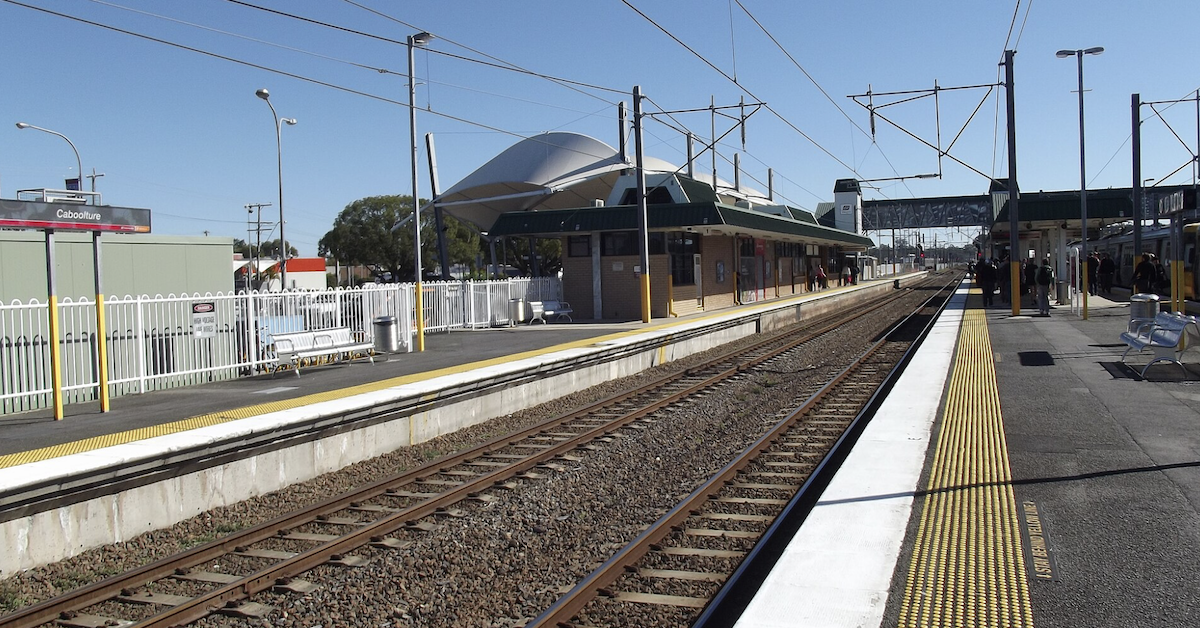
Residents in Caboolture, Redcliffe and Shorncliffe are set to experience short-term but widespread rail disruptions, with train services suspended across key northern lines during early April as part of major network works across South East Queensland.
From April 3 to April 11, multiple train lines including the Sunshine Coast, Caboolture, Redcliffe Peninsula and Shorncliffe lines will be impacted while large-scale infrastructure works are carried out across the rail corridor. During this period, rail replacement buses will operate to keep passengers moving.
Northern lines affected in early April
The closures are part of a coordinated shutdown across the network to allow several major rail projects and maintenance works to be completed at the same time. These include Cross River Rail supporting works, upgrades on the Sunshine Coast line, improvements to the Logan and Gold Coast corridor, new digital signalling systems and general track maintenance.
While the disruptions on the northern lines are shorter than those affecting the southside, they will still impact daily commutes for thousands of passengers travelling between outer suburbs and Brisbane’s CBD.
For commuters in Caboolture, Redcliffe and Shorncliffe, the changes will mean replacing train journeys with buses for several days in early April. This is likely to result in longer travel times and possible transfers depending on the route.
Transport authorities have advised that both express and all-stops rail replacement buses will be available, along with regular bus services. In some cases, regular bus routes may provide a more direct option for passengers heading into the city.
Dates
Lines Impacted
What It Means for You
3–11 April
Caboolture, Redcliffe, Shorncliffe and other lines
Train services replaced by buses
After 11 April
Most northern lines return to normal
Services resume, fewer disruptions
After April 11, services on these northern lines are expected to return to normal, while closures continue on other parts of the network, particularly on the southside.
Plan ahead for travel
Transport authorities are encouraging commuters to plan ahead, check journey options before travelling and allow extra time during the closure period. Changes may vary across different lines and days, so passengers are advised to stay updated through official transport channels.
Although the disruptions are limited to just over a week for northern suburbs, they form part of a broader program aimed at improving the reliability and capacity of the rail network across South East Queensland.
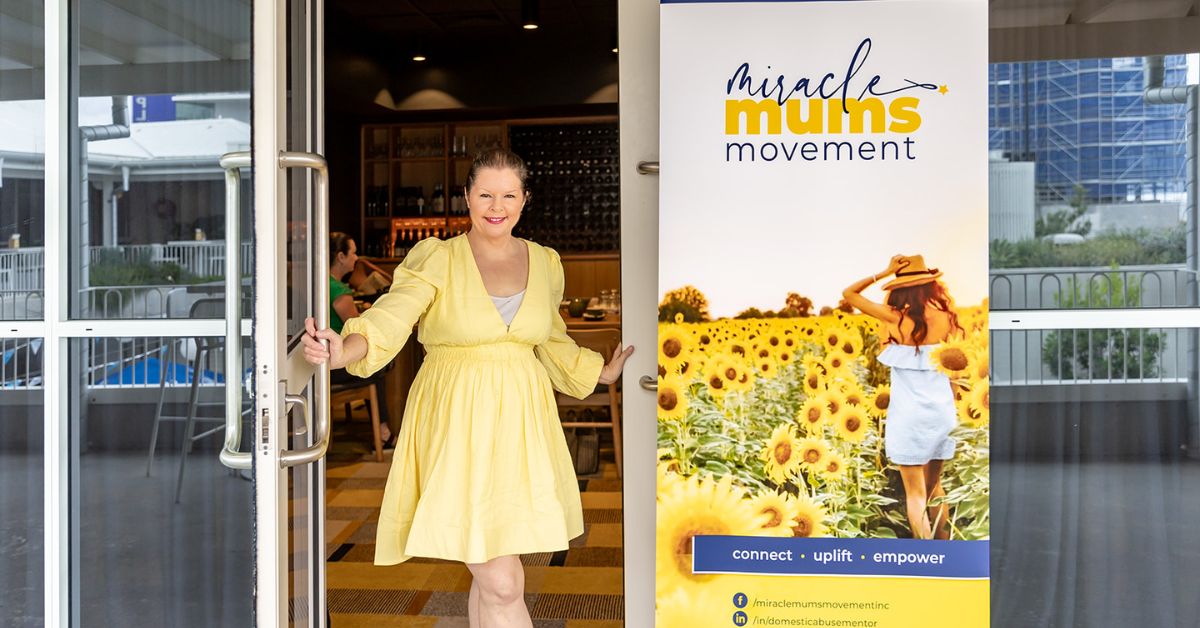
The Miracle Mums Movement Inc., a survivor-led registered charity based in Redcliffe, has secured $150,000 in funding to deliver a 12-month Women’s Wellbeing Program of peer wellness workshops for women across the Moreton Bay region who have experienced domestic and family violence.
The funding enables the charity to expand its existing workshop model into a structured, ongoing program offering regular community spaces where women can access peer support, develop emotional resilience tools, rebuild self-esteem and form the social connections that research consistently identifies as critical to long-term recovery. For a region where domestic and family violence remains one of the most pressing community safety issues, the investment in a locally embedded, survivor-led support model addresses a gap that crisis services alone cannot fill.
Built From Lived Experience
Lou Feltham Smith, a Redcliffe-based survivor, founded the Miracle Mums Movement on a clear conviction: women who survive abuse deserve more than crisis support. They deserve the space to rebuild, reconnect with themselves and create the life they want.
That founding philosophy shapes everything about how the charity operates. Survivors who have transformed their own lives make up the Miracle Mums Movement team and now support others on their journey. The peer model places women with lived experience at the centre of the support process rather than positioning them purely as recipients of professional services. As a registered charity, the organisation partners with qualified professionals and collaborates closely with other Queensland domestic violence services to offer the most comprehensive support and resources available.
The team delivers workshops on the Redcliffe Peninsula using proven self-development principles to foster personal growth and goal achievement. Each session covers different practical strategies for moving toward a better life, with the program structured around three interconnected stages: developing a clear vision for the future, building a concrete plan to pursue it, and implementing that plan with community support over time.
Why Peer Support Matters After Trauma
The design of the Women’s Wellbeing Program reflects a growing body of evidence about what works for survivors of domestic and family violence in the period after they leave an abusive relationship. Crisis services play an essential role in the immediate aftermath, but the journey of recovery extends well beyond that acute phase. Isolation, eroded self-worth, disrupted social networks and the psychological aftermath of prolonged abuse all require sustained, structured support over time.
Peer-based programs are particularly effective in this space because they reduce the social isolation that makes recovery harder and create communities of shared understanding that professional services cannot replicate in the same way. When a survivor’s support comes partly from people who have navigated the same terrain, the therapeutic effect extends beyond the content of any individual session into the relationship and connection itself.
Across Queensland, the number of domestic and family violence occurrences recorded annually nearly doubled between 2017-18 and 2022-23, with police receiving more than 171,000 reports and occurrences in 2023 alone. Behind every statistic is a person navigating the long process of rebuilding, and programs like the Miracle Mums Movement’s workshops exist precisely to support that process in a sustained, community-grounded way.
Support That Stays Close to Home in Moreton Bay
The Moreton Bay region carries a significant domestic and family violence caseload, with the Moreton Police District maintaining specialist co-located DFV support services and the Centre Against Domestic Abuse operating dedicated counselling and court support services from Redcliffe. The Miracle Mums Movement sits alongside those services as a complementary peer-based resource, extending support into the recovery phase rather than duplicating crisis response.
The Miracle Mums Movement is taking its proven Redcliffe model on the road. This $150,000 investment empowers the team to deliver workshops across the Moreton Bay region, breaking down geographic barriers for survivors in Caboolture, Strathpine, and North Lakes who need sustained recovery support close to home.
Women across the Moreton Bay region can submit an expression of interest at miraclemumsmovement.com to join the Miracle Mums Movement workshops and receive updates when enrolments open for the next round.
If you or someone you know is experiencing domestic or family violence, DVConnect Womensline operates 24 hours a day, seven days a week at 1800 811 811. For Australia-wide support, 1800RESPECT is available at any time on 1800 737 732. In an emergency, call 000.
For long stretches, this felt like a Dolphins game. They had the ball. They had the metres. They had the momentum.
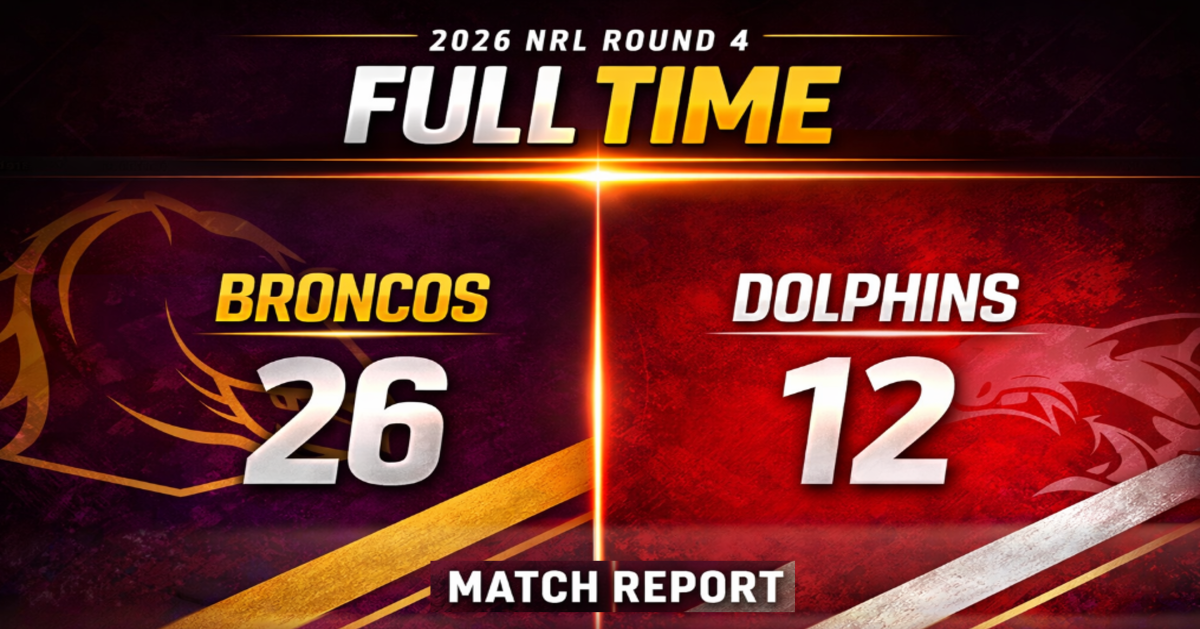
But in front of 45,882, the biggest NRL crowd of the year, Brisbane absorbed pressure, capitalised on key moments, and punished every Dolphins lapse to walk away 26–12 winners.
The Broncos won the Battle of Brisbane. Not because they had more of the game — but because they made more of it.
They finished with 53 per cent possession, 211 runs to Brisbane’s 186, and a dominant offload count of 26 to five. They broke more tackles, generated more second-phase play, and had three players run for more metres than any Bronco — Jake Averillo (238m), Kulikefu Finefeuiaki (222m) and Jamayne Isaako (196m).
That profile usually wins you games. On Friday night, it didn’t.
The Dolphins didn’t lack effort. They lacked conversion.
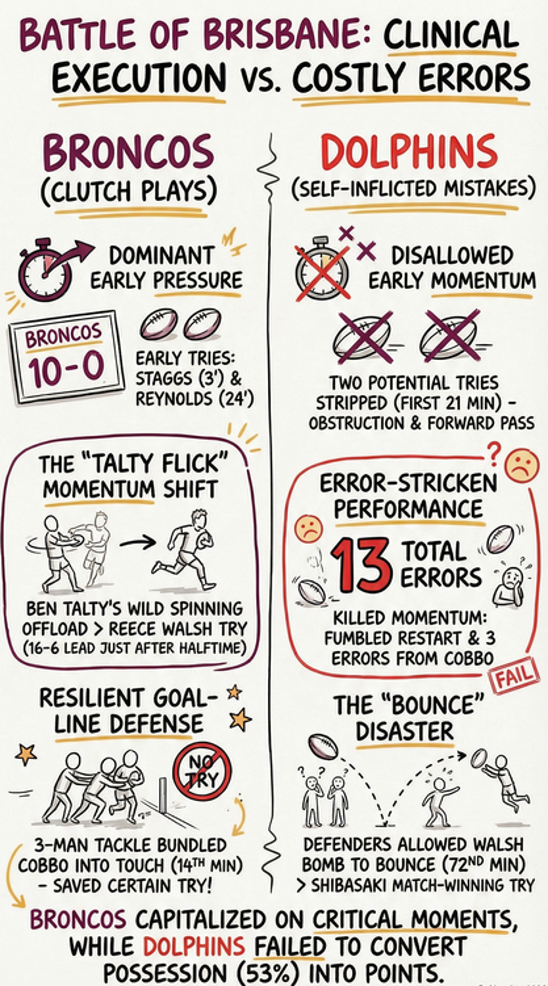
Thirteen errors killed momentum, often at the exact point pressure was building. Two first-half tries were wiped out — one for obstruction, one for a forward pass — turning early dominance into frustration.
This is where the game slipped.
The Dolphins were generating pressure but not cashing it in. The Broncos, by contrast, needed fewer chances — and took them.
That’s the entire difference.
Moments That Broke It Open
The shift came immediately after halftime.
First set. Drop from Francis Molo.
Within a minute, the Broncos had struck.
A broken defensive line, a sharp offload, and Reece Walsh was through — a moment of individual brilliance that cut through 40 minutes of Dolphins control. Walsh finished with 182 metres and 11 tackle breaks, repeatedly turning half-chances into genuine threats.
The Dolphins had been building.
The Broncos finished.
Then came the moment that ended it.
Down 16–12 and still in the contest, the Dolphins were defending a high bomb inside their own end. Jamayne Isaako and Hamiso Tabuai-Fidow both hesitated.
No call. No catch.
They let it bounce.
At this level, that’s fatal. The Broncos pounced, scored, and the game was effectively over.
High Risk, High Cost
The Dolphins’ attacking identity is clear.
They move the ball. They offload. They play fast and look to break games open through second-phase play.
It worked — to a point.
Those 26 offloads created pressure, but they also fed the error count. At times it felt less like controlled expansion and more like urgency spilling into chaos.
Selwyn Cobbo’s night captured that perfectly.
He ran hard for 181 metres and was heavily involved, but three key errors — including a dropped bomb near his own line and a forced offload under pressure — turned momentum back toward Brisbane at critical moments.
The intent was there.
The execution wasn’t.
Broncos Played the Right Game
The Broncos didn’t need to win the stat sheet. They won the parts that matter.
Their middle held firm defensively, with Cory Paix and Patrick Carrigan combining for 52 tackles each, repeatedly absorbing pressure and resetting the line.
They were cleaner with the ball. More composed in key moments. More decisive when opportunities appeared.
That’s why the scoreboard reads 26–12.
Not dominance. Control, right when it counted.
Reality Bites
This is the frustrating reality for the Dolphins.
They showed enough to suggest they can trouble anyone — their yardage, their offload game, their ability to generate pressure.
But right now, they are asking questions without finishing the answer.
The gap isn’t effort.
It’s timing. It’s composure. It’s execution in the moments that matter most.
Because in games like this, you don’t get rewarded for how much football you play.
Only for what you do with it.
Published 27-March-2026
PRE-MATCH REPORT
Battle of Brisbane: Dolphins Eye Statement Win Over Broncos
The Broncos have owned this rivalry from the start, building a 5–1 record since 2023.
But one result still hangs over it: the Dolphins’ 40–6 demolition in 2024.
That’s what gives this game its edge. One side has controlled the story. The other has already shown how quickly it can be torn apart.
Kick-off is set for Friday, 27 March at 7:00PM AEST at Suncorp Stadium, with live coverage on Fox League and streaming available via Kayo Sports. The match is also listed for free-to-air broadcast on Channel 9 and 9Now.
The 5–1 Record — and the One Result That Changed the Tone
On paper, this rivalry has been one-sided.
Across those five wins, Brisbane controlled the key areas — ruck speed, field position and defensive discipline. They dictated tempo, limited second-phase play and closed games out when it mattered.
That’s the standard they’ve set in this match-up.
The question now is whether they can reproduce it under different conditions — without Haas, with changes through the middle, and against a Dolphins side that has already shown it can disrupt that control.
Team Changes (Key Ins and Outs)
This time, the changes matter. Brisbane have been forced into key adjustments ahead of the derby — none bigger than the loss of Payne Haas.
His absence reshapes the Broncos’ middle rotation, with Xavier Willison stepping into the starting front row and Brendan Piakura shifting into the back row. Adam Reynolds returns and brings control back into the spine, while Ben Hunt’s role adjusts to provide added flexibility around the ruck.
For the Dolphins, the focus is on reinforcing the middle without disrupting what’s already working.
Kenny Bromwich returns to the bench to add experience to the rotation, while Mark Nicholls is promoted into the starting side. Otherwise, the squad remains largely unchanged — giving them continuity heading into a high-pressure contest.
3 Things to Watch
1. Can Brisbane Win the Middle Without Haas?This is the game inside the game. Without Payne Haas, Brisbane lose their safest source of momentum. With Bromwich back and Nicholls starting, the Dolphins have reinforced their middle — and if they generate quick play-the-balls early, it puts immediate pressure on Brisbane’s defensive system.
2. Who Dictates the Tempo — and Handles the Stakes?Adam Reynolds will try to control territory and slow the game down. The Dolphins will look to speed it up and play through the ruck. With both sides under real ladder pressure, this isn’t just about style — it’s about who executes better in key moments.
3. The Edges: Averillo vs StaggsThis could be where the game turns. Averillo’s speed and support play shapes against Staggs’ power and tackle-breaking ability in one of the key match-ups on the field — and in a tight contest, one moment here could be enough.
The Haas Void vs the Reynolds Return
This is where the game tilts.
Payne Haas being ruled out removes Brisbane’s most reliable source of momentum. His value isn’t just metres — it’s repeat effort, ruck speed, and the ability to stabilise sets when things start to drift.
Without him, the structure holds, but the margin for error tightens. For Brisbane, it’s a test not just of depth, but of how much pressure this system can absorb at once.
Xavier Willison moves into the starting front row, with Brendan Piakura shifting into the back row. It’s a capable adjustment, but it changes the physical balance of Brisbane’s middle rotation.
From a Dolphins perspective, it presents a clear opportunity.
With Kenny Bromwich back on the bench and Mark Nicholls promoted into the starting side, there’s experience and control through the middle — exactly where Brisbane are most vulnerable this week.
The counter for Brisbane is Adam Reynolds.
His return brings control back into the spine. Last-tackle options sharpen, field position becomes more deliberate, and defensive organisation improves across the line.
It also changes Ben Hunt’s role.
Instead of carrying the side as the primary organiser, Hunt becomes a roaming threat — either through dummy-half or off the bench. That flexibility gives Brisbane a second layer of control when the game starts to open up.
The Defensive Question: Life After Te’o
The bigger concern for Brisbane sits in their system.
Ben Te’o’s exit matters because of what he built. The Broncos’ defence over the past year hasn’t just been effective — it’s been resilient under pressure. Their ability to scramble, reset and hold firm in key moments was a defining feature of their premiership run.
That doesn’t disappear overnight.
But it does get tested.
Last week showed they can still execute it. Doing it again in a derby, under pressure and without their defensive architect, is a different challenge.
If the Dolphins can generate quick rucks and force repeat defensive sets, this becomes less about structure and more about trust — and whether that system still holds.
The Ex-Bronco Factor: Familiarity Cuts Both Ways
There’s no hiding the emotional layer in this one.
Seven Dolphins players have come through Brisbane’s system — Isaako, Cobbo, Farnworth, Nikorima, Flegler, Molo and Plath. That brings familiarity with systems, combinations and tendencies.
But more than that, it brings intent.
Flegler’s likely inclusion adds weight to that. If cleared, it’s his first derby in Dolphins colours after missing previous chances through injury. Molo’s return adds another experienced body to that rotation.
Then there’s Kodi Nikorima.
This is the most settled version of his game. He’s playing direct, picking moments, and controlling tempo without overplaying his hand.
Against a side he knows well, that becomes even more valuable.
He doesn’t need to dominate the game — just steer it into the right spaces and apply pressure where it counts.
How This Game Shapes Up
This shapes as a contest through the middle first, edges second.
If Brisbane can hold ruck speed and limit second-phase play, Reynolds’ kicking game and Hunt’s flexibility should give them control.
But if the Dolphins win that middle battle — through quick play-the-balls, line speed and sustained pressure — the game shifts quickly.
That’s where they’ve shown they can trouble Brisbane before.
The early exchanges matter. This is not a game that will wait to settle.
The edges could also prove decisive.
Jake Averillo’s speed and support play shapes as a direct contrast to Kotoni Staggs’ power and tackle-breaking ability — and in a tight contest, one moment in that channel could swing the result.
What’s Actually at Stake
For Brisbane, this is about stability.
Backing up last week’s win, absorbing the loss of Haas, and showing the defensive system still holds under pressure.
For the Dolphins, it’s about turning momentum into something more.
They’re in the mix, and the gap has narrowed. A win here doesn’t just even the ledger — it reinforces that they’re no longer chasing Brisbane, but starting to challenge them.
They’ve already shown they can beat the Broncos.
Now it’s about doing it again — and proving it wasn’t a one-off.
Friday night won’t just decide the result.
It could say a lot about where this rivalry is heading next.
Published 25-March-2026
Disclaimer: Logos are the property of their respective clubs and are used for news reporting, commentary and informational purposes only. No affiliation or endorsement is implied.
The festival will take place on Saturday, 27 June 2026, at Settlement Cove in Redcliffe, running from 10 a.m. to 10 p.m.
More than 20 acts are scheduled to perform across the day, with The Screaming Jets leading the line-up. Other confirmed performers include Pricey and Large Mirage, alongside a broader selection of supporting acts.
The event is structured as a single-day program, offering continuous live music throughout its 12-hour schedule.
The festival will feature two stages, including a dedicated Emerging Bands Stage. Performances are arranged to run throughout the day, allowing attendees to move between stages without gaps in the program.
The line-up also includes Whitts End, The Phosphenes, Takeover, Heatstroke, Profanity Fair, Tailor Made Rejects, Tomohung, Burnout, Nocturnal Syndrome, Dedway, Findaway!, Brax, Munkey Town, Che Burns, Metanoia, Paper Plate Pals, Seven Day Storm, Delphic After Party and Noise.
Ticket Access And Family-Friendly Entry
Tickets for the event are priced at $50, while children under 12 can attend free. Gates will open at 10 a.m., with performances continuing through to 10 p.m.
The ticket structure allows families to attend together, with the event positioned as an accessible option for a full day of live music.
Community Creativity Through Poster Competition
As part of the festival lead-up, a poster design competition was opened to the community. Participants were invited to submit artwork to be used as the official festival poster.
The selected design is set to appear on promotional material and merchandise. The winning entry includes a $100 cash prize and four tickets to the festival. Submissions for the competition closed on 7 March 2026.
Limited Capacity Ahead Of Festival Day
The event is expected to operate with limited capacity at the venue. Attendees have been encouraged to secure tickets early ahead of the June festival date.
The Where We Belong Festival combines a full-day music program with emerging talent and community participation, all within a single event at Settlement Cove.
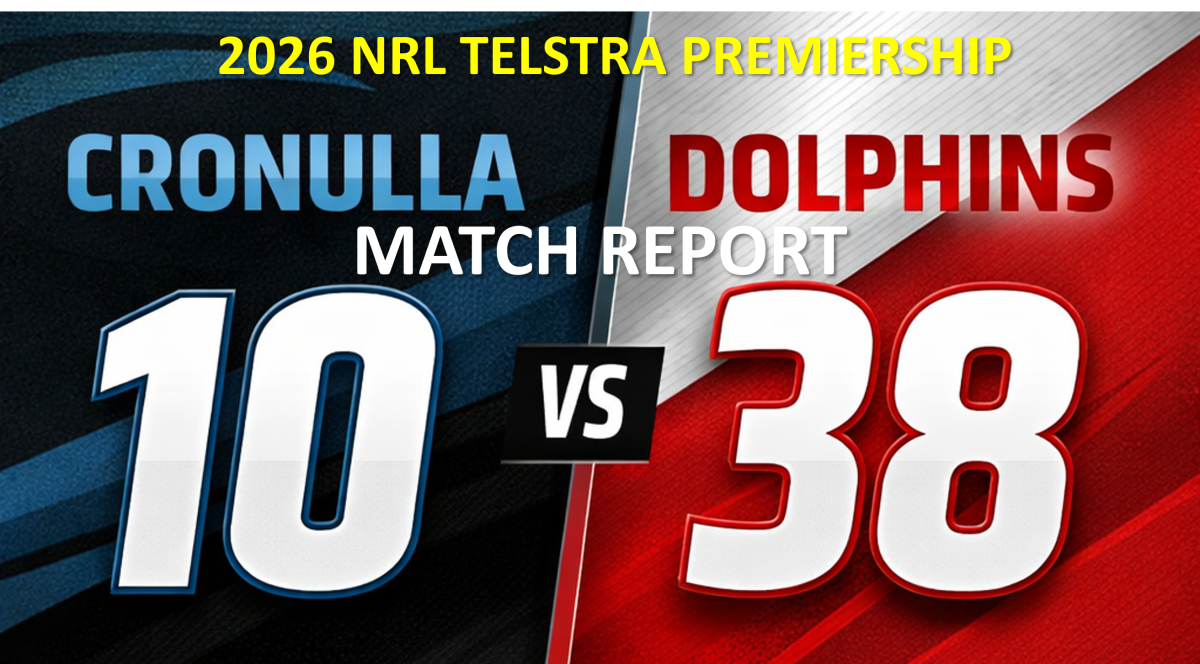
The Dolphins didn’t just beat Cronulla — they broke them.
In a ground where the Sharks hadn’t lost in eight games, the Dolphins absorbed pressure, stayed composed, then blew the game open late to storm away 38–10 in one of their most complete performances yet.
For 70 minutes, it was a grind. The final 10 turned it into a message.
Composure Under Pressure
Early, this was arm-wrestle football. Limited space, heavy contact, and both sides forced to earn every metre.
Jake Averillo struck first, capitalising on a fractured edge, before Isaiya Katoa began to settle the Dolphins into shape with his control and distribution.
Cronulla hit back after the break, and at 16–10 with 20 to play, the contest was alive.
That’s where the Dolphins’ backfield work stood out. Averillo and the outside backs consistently carried strongly out of their own end, easing pressure and helping reset momentum.
The Turning Point
The defining moment came without the ball.
A desperate defensive stand denied the Sharks on the line just as momentum threatened to swing. From the next set, the Dolphins went the length and scored — a momentum flip that shifted the game decisively.
It was the difference between hanging on and taking over.
Left Edge Strikes
Herbie Farnworth set the tone on the left, repeatedly bending the line and creating second-phase play.
His link-up with Hamiso Tabuai-Fidow cut Cronulla apart, most notably just before half-time, while Katoa’s long passing game stretched the defence and created clean finishing opportunities out wide.
Ruthless Finish
Up by eight late, the Dolphins didn’t close the game — they crushed it.
A late surge of tries turned a tight contest into a blowout, with Averillo finishing with a double and the back five continuing to win the yardage battle.
Ending Cronulla’s home streak on their own turf is one thing. Doing it with that level of control is another.
As coach Kristian Woolf put it post-match, “the Sharks put us on the backfoot, Jake Averillo and the back 5 brought the ball out really well.”
That balance — absorbing pressure, then winning the yardage battle — is becoming a defining trait of this Dolphins side.
Can they back it up?
Now it gets bigger.
The Dolphins carry real momentum into next week’s Brisbane derby at Suncorp. If this was a statement, the next game is the test of whether they can back it up.
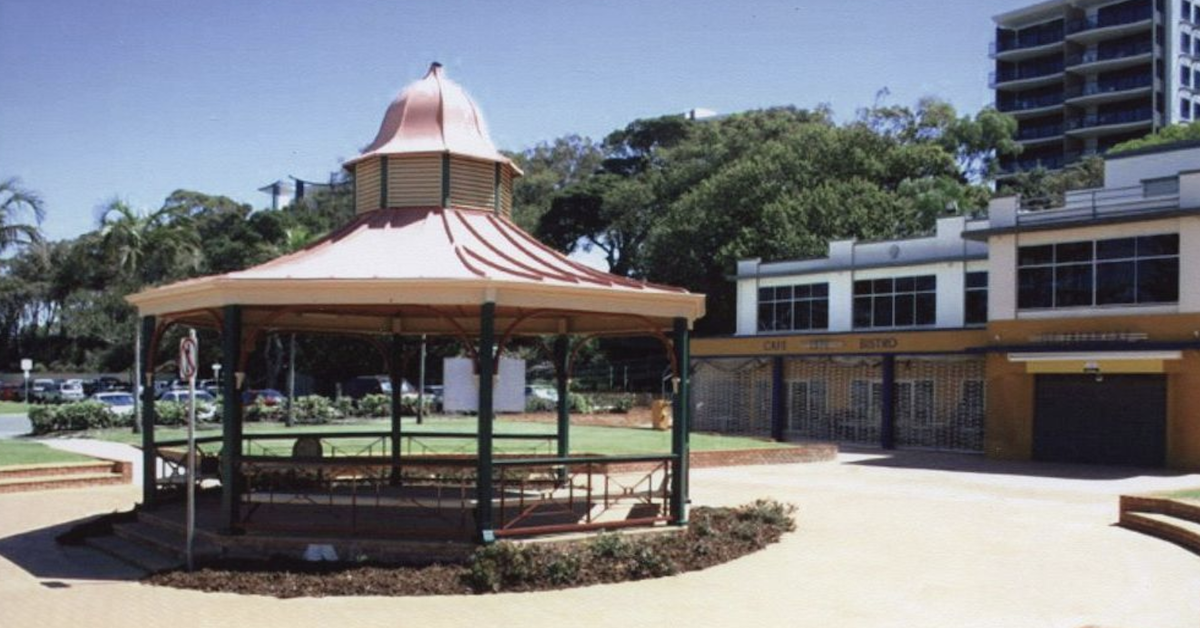
The Sutton Beach rotunda, a long-standing fixture along Redcliffe’s shoreline, is being carefully moved further north. It’s a small but meaningful shift that marks the beginning of a broader transformation of the foreshore and how the community will experience it in the years ahead.
For many locals, the rotunda has been part of everyday life. Since it was built in 1998, it has sheltered beachgoers, hosted quiet catch-ups, and offered a familiar place to pause by the water.
Now, as work begins on a $19.5 million redevelopment, that same structure is being preserved and repositioned within Suttons Beach Park, just a short distance from its original location.
Construction on the Suttons Beach Pavilion project officially started after a sod-turn ceremony on 27 February 2026, with completion expected by mid-2027, weather permitting.
The move of the rotunda is one of the first noticeable changes on site. Rather than removing it altogether, planners have chosen to keep it as part of the new design. It maintains its function in the community while creating space for a more open and accessible beachfront. Once restored, it will continue to provide shaded seating, now set within a refreshed public area further north.
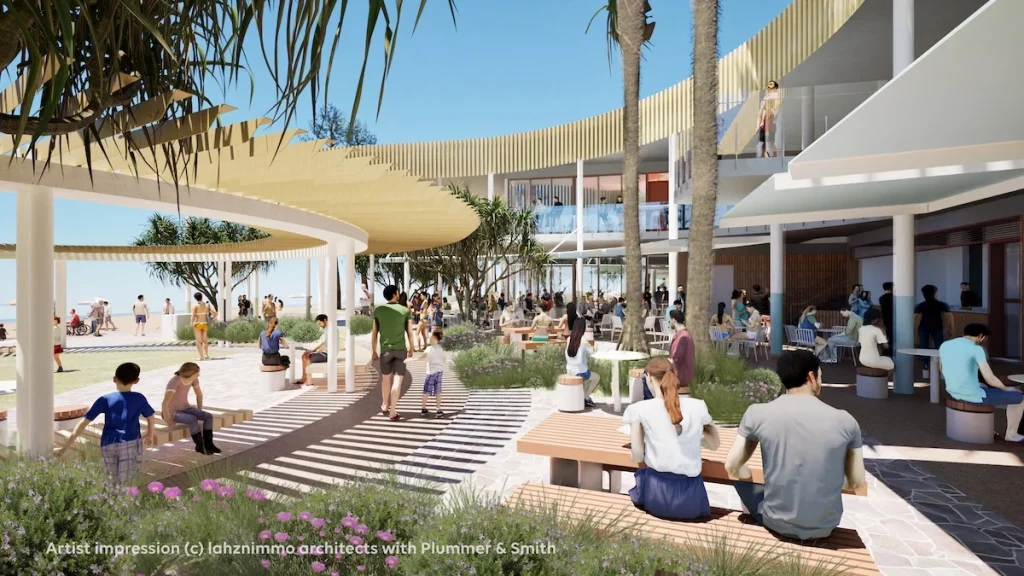
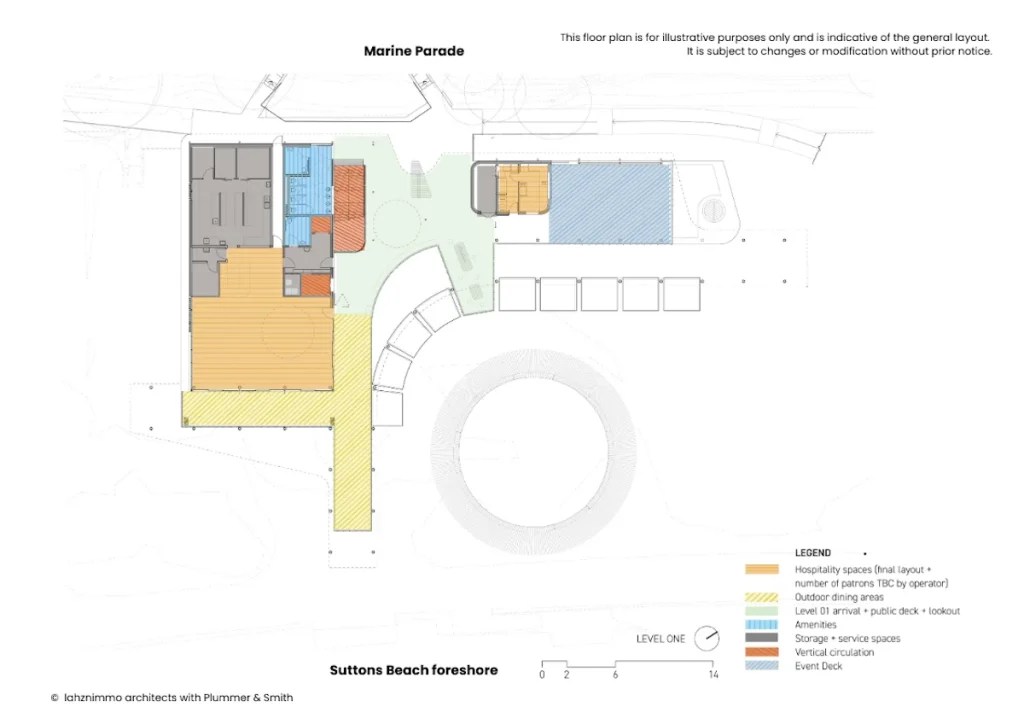
Beyond the rotunda, the foreshore is set to take on a new look. Plans include a new pavilion building, improved public facilities and better accessibility features such as toilets, showers and a Changing Places facility. There will also be elevated areas, including a rooftop space and a public viewing deck, giving visitors new vantage points across the bay.
Food and drink options are expected to become a bigger part of the area as well, with a mix of indoor and outdoor hospitality spaces planned. The exact businesses that will operate there are still to be confirmed through a tender process, but the goal is to create a lively yet community-focused destination.
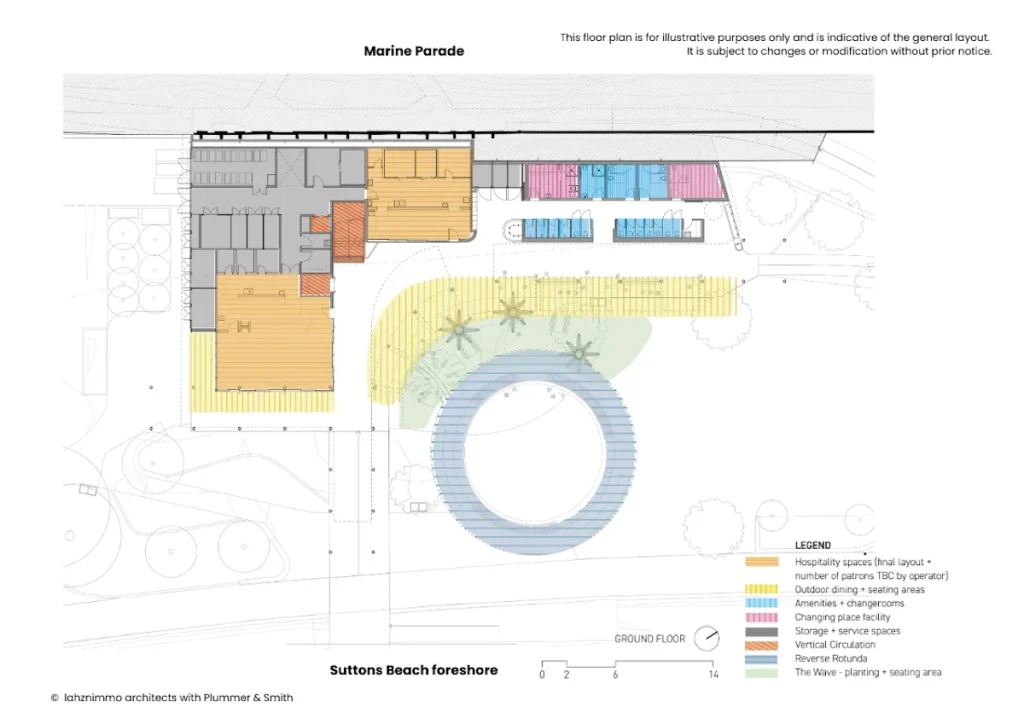
Ground floor and top floor plans of the new Suttons Beach Pavilion Photo Credit: City of Moreton Bay
Mayor Peter Flannery has said the project signals a return of the site as a place where people can gather, while also supporting jobs and local economic activity. The improvements will make the area more accessible and help strengthen tourism and small businesses.
Even as the area changes, parts of its history are being carried forward. Alongside the rotunda’s relocation, bricks from the original pavilion will be reused in the landscaping, keeping elements of the old site embedded in the new design.
Photo Credit: City of Moreton Bay
The project is being delivered through the South East Queensland Liveability Fund under the SEQ City Deal. Of the total cost, $12.1 million is being funded by the state and federal governments, with the remaining $7.4 million coming from Council.
Fourteen points down, error-ridden and chasing the game, the Titans had them exactly where they wanted them.
Then Hamiso Tabuai-Fidow rose above the pack, snatched an Isaiya Katoa bomb out of the air and flipped the night at Suncorp Stadium.
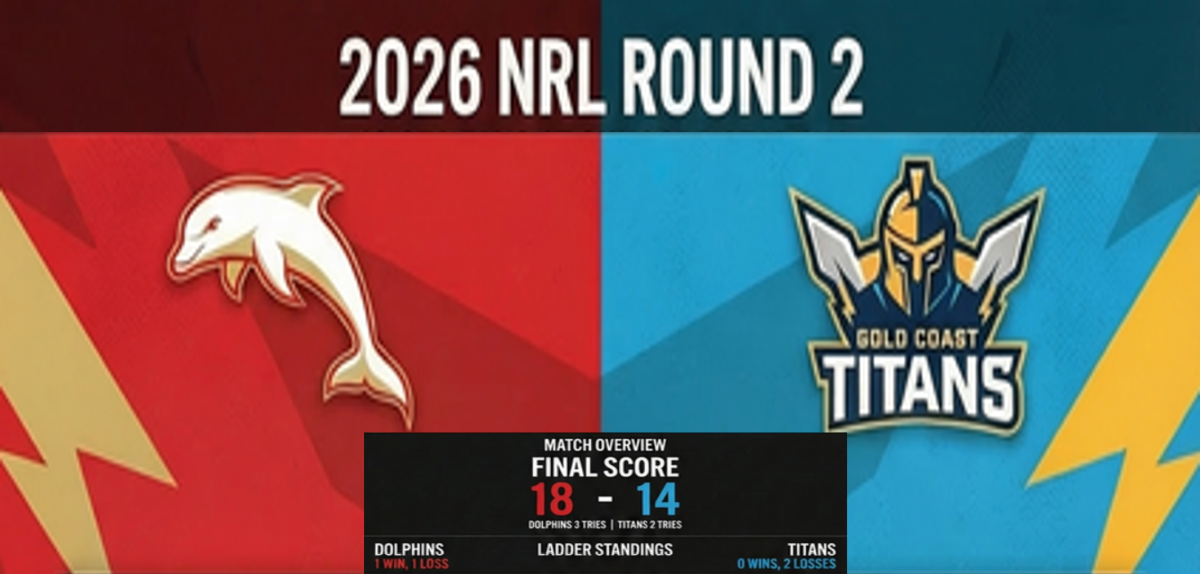
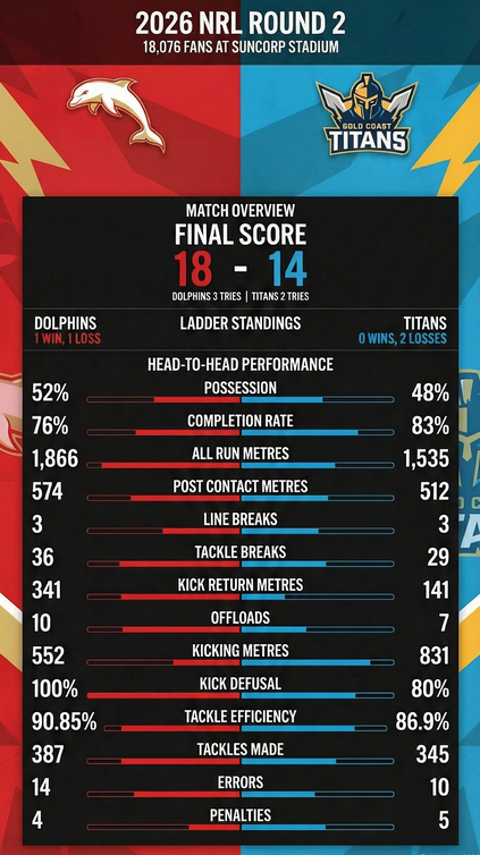
The Dolphins escaped with an 18–14 comeback victory over the Gold Coast Titans, but the story of how they got there was far more chaotic.
A scrappy opening favoured the Titans
The first half never really settled into rhythm.
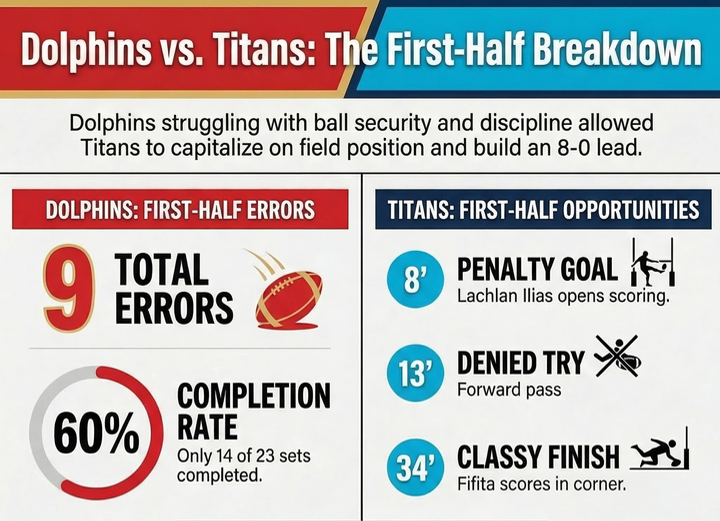
Both sides struggled to build attacking fluency, but the Dolphins’ ball security was the bigger issue. By halftime they had made nine errors and completed just 14 of 23 sets, forcing themselves to defend far more than they attacked.
The Titans were far more composed. Their completion rate sat above 80 percent and they steadily built pressure through field position rather than spectacular attack.
Gold Coast opened the scoring in the 8th minute when Lachlan Ilias kicked a penalty goal after Tino Fa’asuamaleaui was collected high near the line.
The first try did not arrive until the 34th minute and it came directly from another Dolphins mistake. Connelly Lemuelu spilled the ball in attack, Chris Randall reacted quickest, Kurtis Morrin broke through the middle and Jojo Fifita finished the movement out wide.
Ilias converted and the Titans carried an 8–0 halftime lead into the sheds.
The defensive lapse that made it 14–0
The Dolphins needed a strong start to the second half but instead conceded again within minutes.
Titans forward Cooper Bai crossed for his first NRL try after running a switch play close to the line with dummy-half Sam Verrills. Dolphins defenders were slow to reset after the previous tackle and Bai slipped through a gap untouched.
When Ilias converted, the Titans had stretched the lead to 14–0 and the Dolphins suddenly looked short on answers.
At that stage Gold Coast had controlled the fundamentals of the match: better completion rate, stronger discipline and superior field position.
The moment that changed the game
The turning point arrived in the 52nd minute.
After forcing a line dropout through attacking pressure, the Titans attempted a short restart. Winger Phil Sami batted the ball backwards toward teammates but the bounce fell perfectly for Dolphins forward Kulikefu Finefeuiaki, who gathered the loose ball and ran about 15 metres to score.
The try reduced the margin to 14–6 and finally gave the Dolphins some momentum.
The Hammer ignites the comeback
With just over ten minutes remaining, the Dolphins finally produced the attacking speed they had been searching for all night.
Hamiso Tabuai-Fidow burst down the left edge on a long line break before the ball was shifted quickly across field. Kodi Nikorima helped create the overlap and Jake Averillo finished the movement in the right corner.
Jamayne Isaako’s difficult sideline conversion cut the deficit to 14–12, and the pressure suddenly shifted to the Titans.
Five minutes later the Dolphins struck again.
Isaiya Katoa launched a shallow attacking bomb toward the posts. Tabuai-Fidow timed his jump perfectly, climbing above Titans fullback Keano Kini to secure the ball and score beneath the posts.
Isaako converted and the Dolphins had their first lead of the night at 18–14.
From there they held their nerve through the closing minutes to secure the win.
Star power vs consistency
The match featured strong performances from both fullbacks.
Titans number one Keano Kini was influential throughout the contest and produced a crucial try-saving tackle on Jamayne Isaako earlier in the second half that kept the Dolphins scoreless at the time.
But the decisive moments belonged to Hamiso Tabuai-Fidow.
His long break created the Averillo try and his aerial take from Katoa’s bomb produced the match-winning moment.
In a game where the Dolphins struggled with execution for long stretches, their fullback’s pace, timing and aerial ability ultimately proved the difference.
The verdict
For the Dolphins, the result delivers their first win of the 2026 season and a much-needed lift after a shaky start.
The performance itself will give the coaching staff plenty to analyse. Nine first-half errors, a 60 percent completion rate and defensive lapses that allowed easy points are not habits that will stand up against stronger opposition.
For the Titans, the loss will sting. They controlled large portions of the contest and led by two converted tries early in the second half but were unable to shut the game down when the Dolphins surged.
In rugby league, momentum can turn quickly.
On this night at Suncorp Stadium, the difference was a moment of class from the Dolphins’ fullback.
And when the pressure arrived late in the match, the Hammer struck.
For nearly an hour on Saturday afternoon, the Redcliffe Dolphins looked unstoppable. Then everything nearly unravelled.
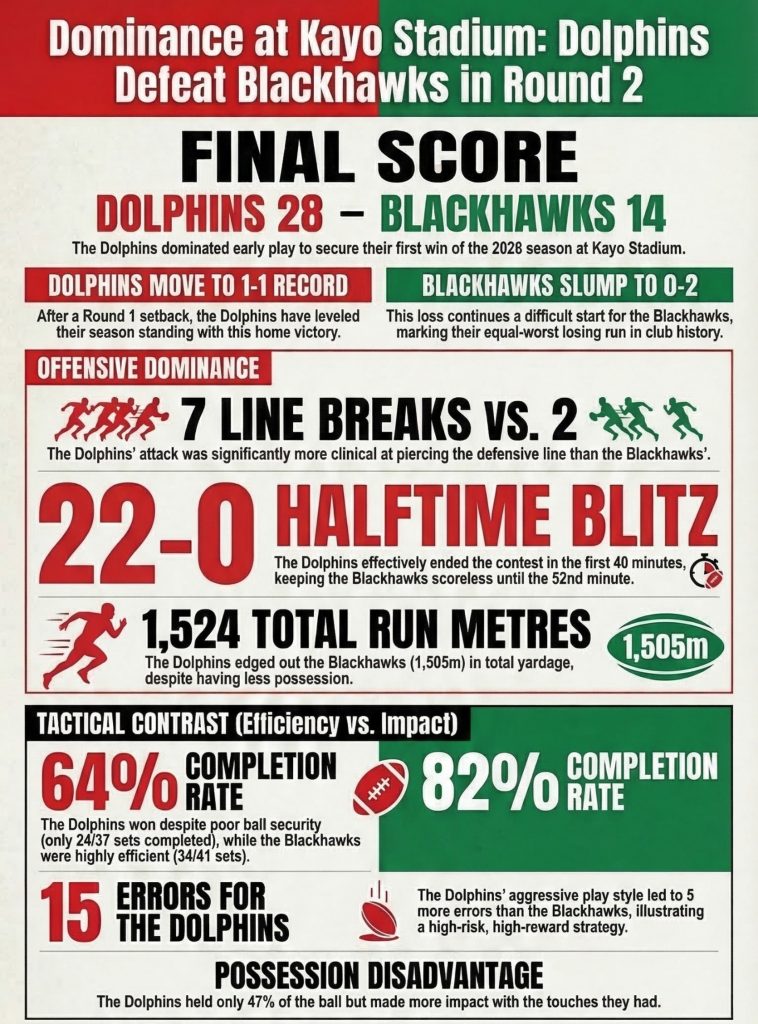
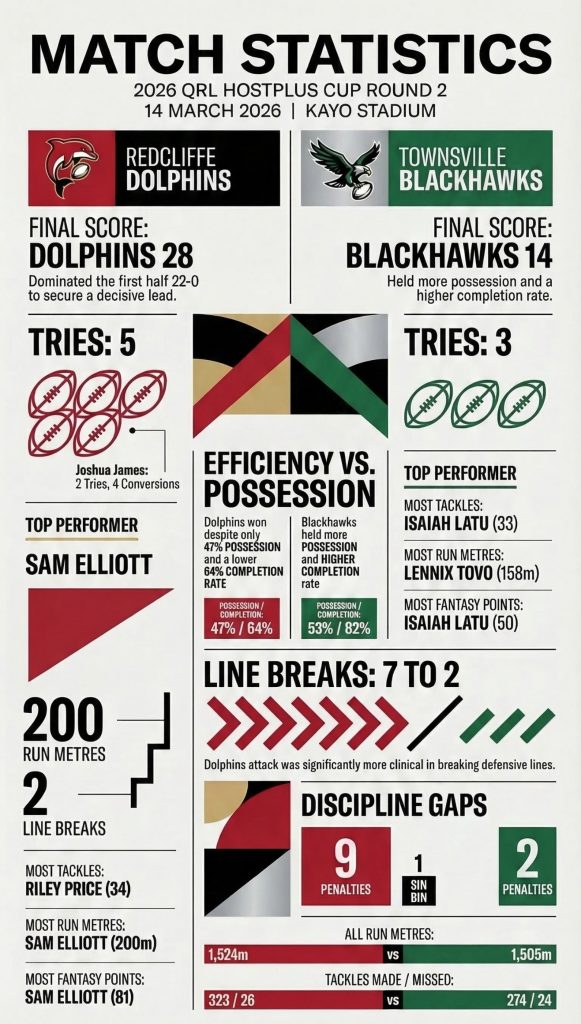
A blistering first-half attacking blitz set up a commanding lead before a tense final half-hour saw the Dolphins secure a vital victory, defeating the Townsville Blackhawks 28–14 at Kayo Stadium on March 14, in Round 2 of the QRL Hostplus Cup.
The win snapped Redcliffe’s two-game losing streak and reinforced the club’s strong home record, while Townsville’s difficult run continued after entering the contest on a four-game losing streak that equalled the worst stretch in club history.
Rivalry Context
The matchup arrived with genuine intrigue.
Townsville held a narrow historical edge in the rivalry, leading the head-to-head eight wins to seven with two draws, although the Dolphins had claimed the previous two meetings between the sides.
Matches at Kayo Stadium between the teams have also been tight historically, with the previous three encounters producing one win each and a draw.
But from the moment Redcliffe found its attacking rhythm on Saturday, the Dolphins seized control of the contest.
Dolphins Explode After Scrappy Start
The opening minutes were messy.
Both teams struggled to complete early sets as handling errors disrupted the flow of the game.
Then Redcliffe struck.
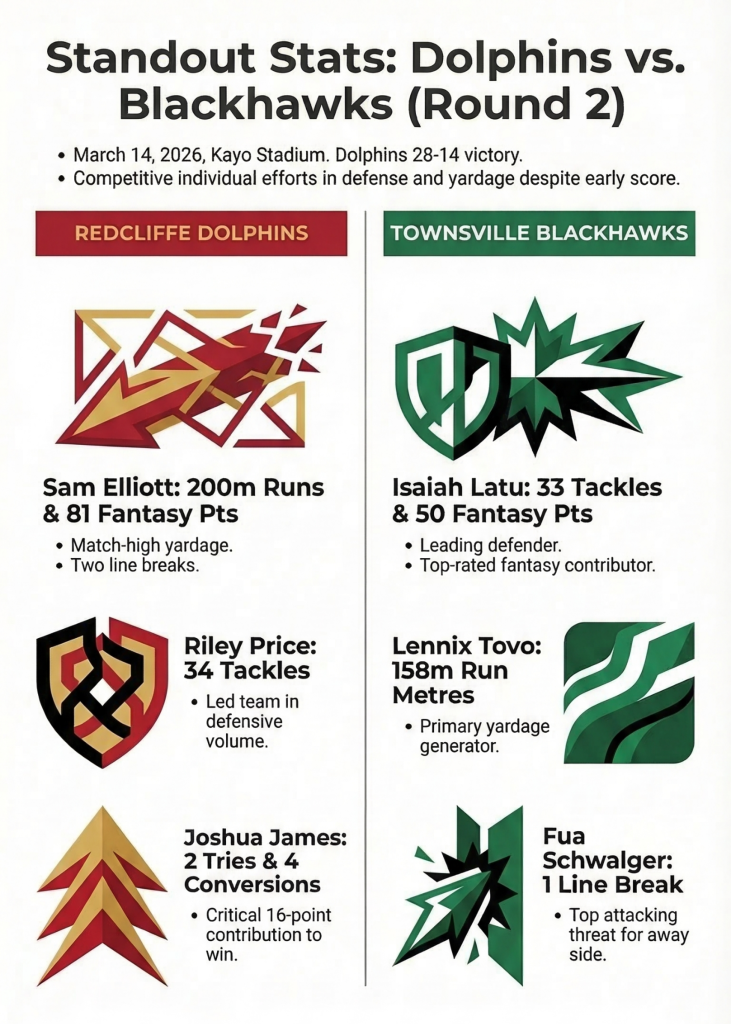
Second-rower Sam Elliott sliced through the defensive line to create the opening try for halfback Joshua James, who crossed in the eighth minute to give the Dolphins the early lead.
From that moment, the Dolphins’ attack exploded.
Within a devastating 18-minute period, Redcliffe blew the game open:
• 7th minute — Joshua James try after Elliott’s line break • 18th minute — Riley Price try after bursting through the line • 21st minute — Michael McGrath try from another clean break • 35th minute — Kyle Coghill try to cap a dominant half
With James converting three of the four tries, the Dolphins marched into halftime with a commanding 22–0 lead.
Elliott Leads the Charge
While the Dolphins’ spine directed the attack, forward Sam Elliott delivered one of the game’s most influential performances.
The powerhouse back-rower finished with:
• 200 run metres • Two line breaks • 62 post-contact metres • Match-high fantasy points
His relentless running created momentum and helped Redcliffe finish the match with a 7–2 advantage in line breaks, the single biggest statistical difference between the sides.
Price Anchors the Defence
Defensively, Riley Price was immense for the Dolphins, finishing with a match-high 34 tackles.
While Elliott generated attacking momentum, Price’s defensive workload repeatedly shut down Townsville’s attempts to build pressure through the middle.
James Seals the Lead
The Dolphins pushed their advantage immediately after halftime.
A Jordan Plath line break created the opening for Joshua James to score his second try in the 47th minute, extending the lead to 28–0 and seemingly putting the game beyond reach.
For nearly 50 minutes the Dolphins looked untouchable. Then the momentum flipped.
Blackhawks Launch Comeback
With possession shifting their way and Redcliffe’s discipline slipping, Townsville suddenly found life.
The Blackhawks struck three times in a strong 17-minute period:
• 52nd minute — Fua Schwalger try • 56th minute — Edward Hampson try after breaking through the line • 69th minute — Dudley Dotoi try to close the gap to 28–14
Suddenly the Dolphins’ earlier dominance looked fragile.
Townsville had momentum, territory and possession.
Late Chaos
The closing minutes became a defensive grind.
Redcliffe’s discipline faltered as penalties began stacking up before forward Sebastian Su’a was sin-binned and placed on report in the 76th minute, leaving the Dolphins to defend the final stages with 12 players.
Moments later, hooker Brent Woolf was also placed on report following a late tackle as tensions escalated late in the match.
But despite the pressure, the Blackhawks could not find another try.
The Dolphins held on.
The Numbers Tell the Story
The statistics underline just how unusual the match was.
Townsville controlled more possession and completed their sets far more efficiently, finishing with an 82 percent completion rate compared to Redcliffe’s 64 percent.
The Blackhawks also held 53 percent possession and more time with the ball.
But the Dolphins delivered the moments that mattered.
Redcliffe averaged 41.21 metres per set compared with Townsville’s 36.73, repeatedly winning the territory battle even while making more mistakes.
The Dolphins also generated the match’s most dangerous attacking plays, producing seven line breaks to Townsville’s two.
Ladder Implications
The result carries important early-season implications.
For Redcliffe, the win halts a worrying slide after consecutive losses and keeps the Dolphins in the early-season mix as the ladder begins to take shape after two rounds.
The victory also strengthens their strong home record, with Redcliffe having now won three of their past four games at Kayo Stadium.
For Townsville, the loss deepens a difficult stretch that began before the season, extending a run of defeats that has now placed pressure on the Blackhawks early in the 2026 campaign.
The Takeaway
This was far from a perfect performance from Redcliffe.
The Dolphins finished with 15 errors and nine penalties conceded, numbers that will concern the coaching staff against stronger opposition.
But rugby league games are often decided in short bursts of brilliance.
On Saturday afternoon at Kayo Stadium, the Dolphins produced a devastating first-half blitz that gave them just enough breathing room to survive the storm that followed.
Several organisations connected to Redcliffe have been selected as part of Ausbuild’s 2026 Community Partner Program linked to the Dolphins NRL season across the City of Moreton Bay.
The program recognises grassroots organisations that provide services and activities for local residents. Eleven groups were chosen following an application process for the 2026 intake.
Redcliffe Community Groups Included In The Program
The 2026 program includes a range of organisations across education, community services and sport.
Groups selected for the program are Bray Park State High School, Eatons Hill Community Kindergarten, Enchanted Forest Early Learning, Northern Districts Hack and Dressage Club Inc, Open Minds – headspace Redcliffe, Redcliffe Community Bus, Redcliffe Leagues Netball Association, RSL Queensland, Redcliffe Peninsula Surf Life Saving Club, Undurba State School and Zonta Club of Redcliffe Inc.
Several of the selected organisations operate in Redcliffe, including Open Minds – headspace Redcliffe, Redcliffe Community Bus, Redcliffe Leagues Netball Association, Redcliffe Peninsula Surf Life Saving Club and Zonta Club of Redcliffe.
Photo Credit: Ausbuild
Selection Process For The 2026 Intake
More than 40 organisations from across the City of Moreton Bay and nearby areas applied to participate in the 2026 Community Partner Program.
Applications were reviewed on the basis of community impact, reach and alignment with the program’s focus on supporting organisations working with families, young people, veterans and seniors.
The selected organisations operate across a variety of sectors including early learning, education, mental health support, community transport, sport and beach safety.
Photo Credit: Ausbuild
Match-Day Recognition During The Dolphins Season
As part of the program, each organisation will receive up to $6,000 worth of complimentary tickets to a Dolphins home game.
These matches will be held at Suncorp Stadium or Kayo Stadium during the NRL season.
Participants from the selected organisations will also take part in a Guard of Honour during a home game, walking onto the field as the Dolphins run out.
Photo Credit: Ausbuild
Community Engagement Across Moreton Bay
The initiative forms part of Ausbuild’s ongoing partnership with the Dolphins and its community engagement activities connected to the NRL season.
Through the program, organisations from across Moreton Bay — including several Redcliffe community partners — will take part in activities linked to Dolphins match days during the 2026 season.