




IN THE MARKET? – CLICK BELOW FOR OPEN HOMES THIS SATURDAY


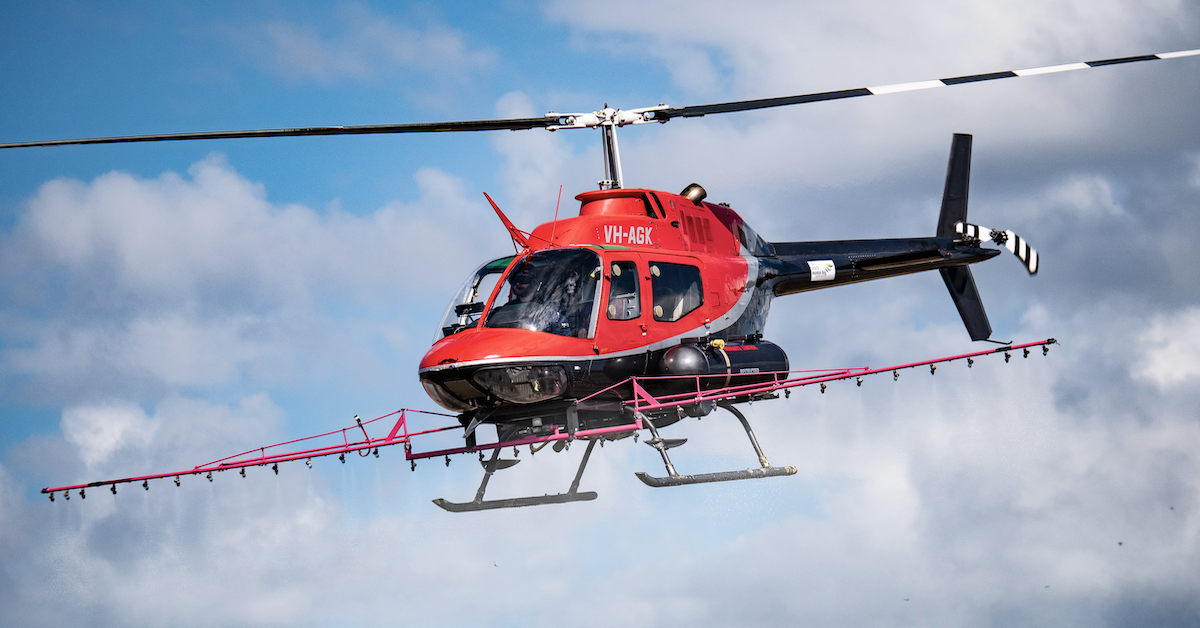
Mosquito treatments across Moreton Bay are targeting breeding hotspots from the Redcliffe Peninsula to Bribie Island, with helicopters assigned to designated wetland areas and ground crews managing mosquito activity in public spaces. The seasonal program includes parts of 14 suburbs and localities, while inland communities such as Samford Valley and Albany Creek face different mosquito breeding conditions.
The program runs from September 2026 to April 2027, with additional treatments planned when mosquito activity increases. Recent heavy rainfall has added to the potential breeding conditions, with parts of central Moreton Bay recording more than 100 mm in approximately three hours on 22 October, according to the City of Moreton Bay.
Coastal wetlands account for much of the treatment area
The City of Moreton Bay’s mosquito management program identifies designated aerial treatment areas in Clontarf, Kippa-Ring and Rothwell on the Redcliffe Peninsula, along with Griffin, Mango Hill, Lawnton and Deception Bay.
Further north, the program includes parts of Beachmere, Burpengary East, Donnybrook, Elimbah, Ningi and Toorbul, as well as Bribie Island. Helicopter treatments focus on intertidal wetlands and mangrove environments where saltmarsh mosquito larvae develop.
Hays Inlet and the coastal wetlands around Griffin, Mango Hill, Beachmere and Bribie Island are among the region’s recognised mosquito breeding habitats. Aerial treatments cover designated sections of the listed suburbs rather than entire residential neighbourhoods.
Inland communities face different breeding conditions
Inland communities such as Samford Valley, Samford Village, Mount Samson, Albany Creek, Eatons Hill, Cashmere, Arana Hills and Ferny Hills can also experience mosquito breeding where rainwater accumulates.
Freshwater mosquitoes can develop in pooled water beside roads, within parks and reserves, and around residential properties. Containers left outdoors, blocked gutters and poorly screened rainwater tanks provide additional breeding sites.

Council’s mosquito management program includes monitoring and targeted ground treatments in public spaces, but the inland communities listed above are not among the 14 designated aerial treatment locations. No specific ground-treatment schedule has been confirmed for those communities.
Rainfall and high tides influence treatment schedules
Saltmarsh mosquito breeding is closely linked to rainfall and tidal conditions. Council identifies tides above 2.45 metres as one of the triggers for larvae to develop in coastal habitats, with aerial operations planned around predicted breeding cycles.


Weather conditions also determine when helicopters can operate. Wind and rain can affect treatment success, while additional work may be scheduled when monitoring identifies increased mosquito activity.
The recent wet weather provides favourable conditions for mosquito breeding, particularly where water remains after storms. Queensland Health warns that heavy rainfall and flooding can increase mosquito numbers, although no specific surge following Moreton Bay’s October storms has been established.
Helicopters and ground crews use different treatments
Aerial treatments use larvicides containing Bacillus thuringiensis israelensis (Bti) or S-methoprene to control mosquito larvae in aquatic breeding areas. Bti acts on larvae when ingested, while S-methoprene interferes with their development before they emerge as adults.
Ground crews use separate treatments, including applications to pooled water and targeted fogging or barrier spraying against adult mosquitoes in public areas. Council identifies phenothrin as the active ingredient used for fogging and bifenthrin for barrier treatments.
Unlike the larvicides used in aerial operations, adult mosquito insecticides can also affect other insects. Council says ground treatments are concentrated in identified hotspots, with crews avoiding flowering plants and selecting application times intended to reduce impacts on non-target species.
Mayor Peter Flannery said the annual program aimed to reduce mosquito bites and the risk of mosquito-borne viruses. He also encouraged residents to address breeding sites around their homes while Council managed mosquitoes in public areas and natural habitats.
Mosquito-borne viruses remain a public health concern
Ross River virus and Barmah Forest virus are among the most common mosquito-borne diseases in Queensland. Both are transmitted through infected mosquito bites and can cause fever, headaches, joint or muscle pain, fatigue and skin rashes.
Some people experience prolonged symptoms, particularly joint discomfort associated with Ross River virus. Metro North Health advises people experiencing symptoms to seek medical assessment. The seasonal control program is a preventive measure, with no new Moreton Bay outbreak established by the available information.
Queensland Health recommends using insect repellent containing DEET or picaridin, wearing loose, light-coloured protective clothing and checking household insect screens. Protection is particularly important around dawn and dusk, when many mosquitoes are active.
Standing water around homes remains a breeding risk
Residents can reduce mosquito breeding by emptying outdoor containers, clearing blocked gutters and regularly replacing water in pet bowls and bird baths. Swimming pools should remain properly chlorinated, while rainwater tanks need securely fitted mosquito-proof screens.
Garden ponds can be maintained with suitable fish that feed on mosquito larvae, while native plants and sheltered areas can support frogs and other insect predators. Water features still require maintenance to prevent mosquitoes from breeding.
Council’s seasonal program will continue through April 2027, with treatment timing dependent on tides, rainfall and mosquito activity. Residents can check completed aerial treatment records or report mosquito concerns through the Council website.
Published 26-Oct-2026


CLICK ANY LOGO TO SEE PUBLICATION