A Century On, Redcliffe’s Anzac Memorial Avenue Still Tells Its Story

Redcliffe is reflecting on the 100-year legacy of Anzac Memorial Avenue, recognising the historic roadway linking Petrie and the coastal suburb as both a tribute to fallen soldiers and an enduring part of the region’s identity.



A Century-Old Tribute That Still Stands

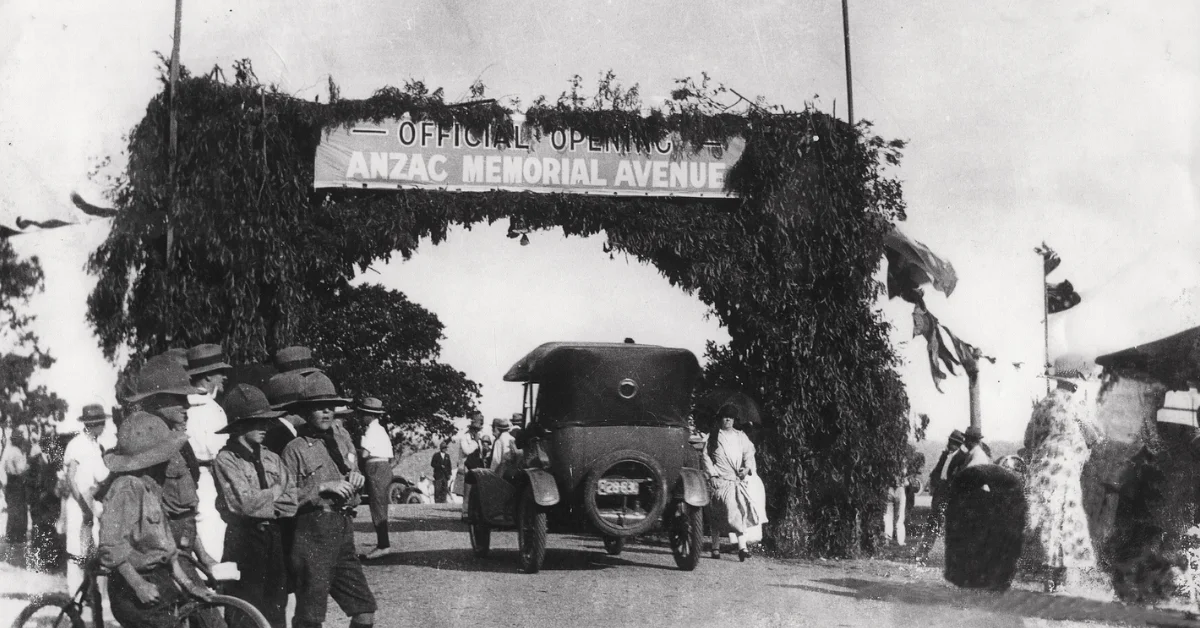
Stretching approximately 18 kilometres between Petrie and Redcliffe, Anzac Memorial Avenue was created as a lasting tribute to those who served and those who never returned from the First World War. Now more than a century since its official opening on 5 December 1925, the avenue continues to carry both historical and everyday significance.

First envisioned in 1921, the project was designed to honour the war dead while also establishing a vital road connection. Construction began in December 1922, with the completed route becoming Queensland’s first bitumen road linking Brisbane to a seaside destination.

Built By Community And Returned Servicemen

The avenue stands as a product of strong community effort, supported by public fundraising alongside additional financial backing. It was built by returned servicemen, providing meaningful employment at a time when many were adjusting to life after war.

This dual purpose — remembrance and re-employment — became central to the avenue’s identity. It reflected a broader sentiment of recognising sacrifice while supporting those who had served.

Redcliffe Anzac Avenue
Photo Credit: City of Moreton Bay

A Living Memorial Lined With Trees

Over time, around 1,700 trees were planted along the length of the avenue, forming a living memorial to those commemorated. These plantings transformed the roadway into a landscape of remembrance, where each section carried historical meaning.

While some original trees have been lost or replaced due to changing conditions, the avenue’s character as a memorial remains. The tree-lined route continues to reflect the intention behind its creation, blending natural elements with commemoration.
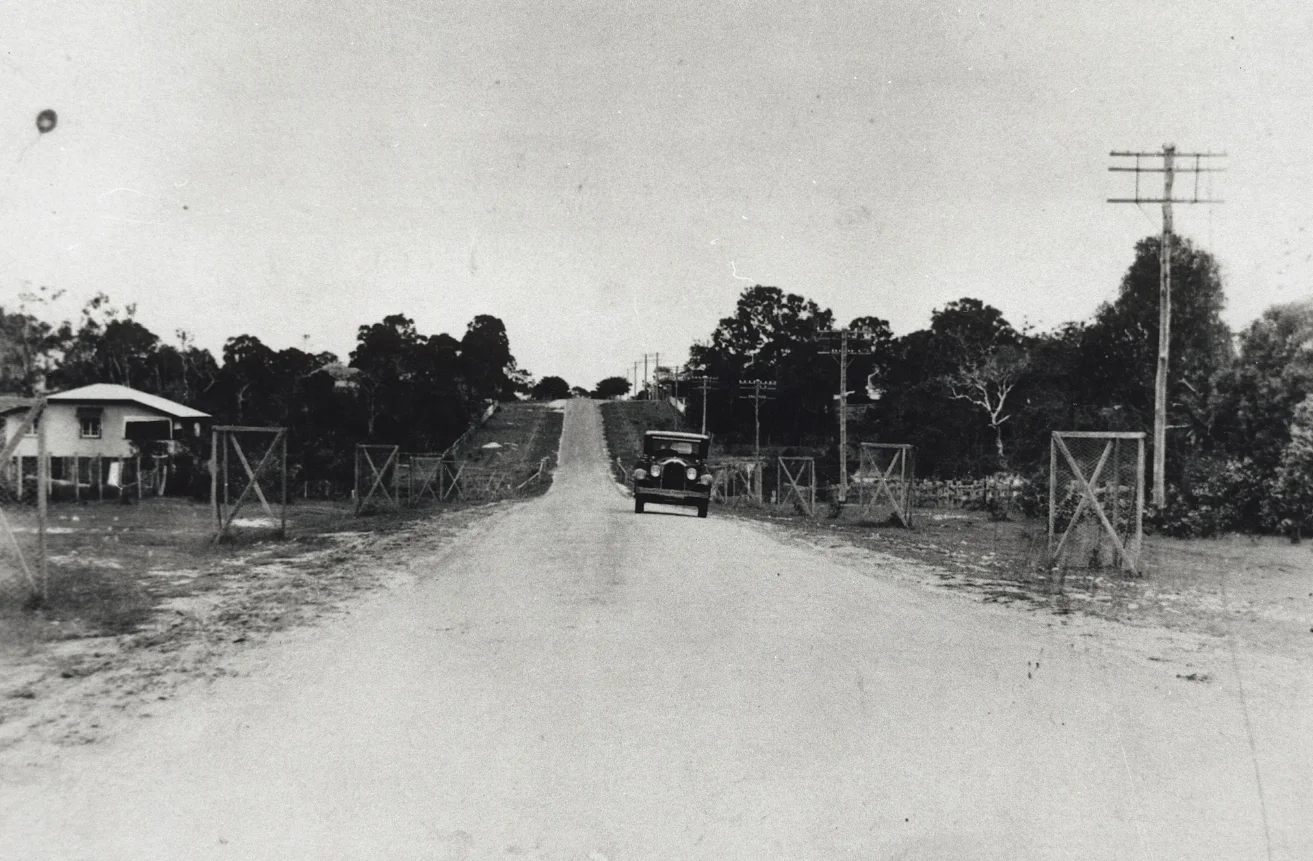
WWI memorial
Photo Credit: City of Moreton Bay/Facebook

Redcliffe’s ANZAC Reflection On A Lasting Legacy

As ANZAC commemorations approach, Redcliffe is placing renewed focus on the avenue’s role in preserving memory. A local museum event marking the centenary highlights the avenue’s origins, its development, and the enduring spirit behind its creation.

The milestone reinforces the avenue’s place within the community, not only as a transport link but as a visible reminder of sacrifice. More than 100 years after it first opened, the roadway continues to honour those it was built to remember.
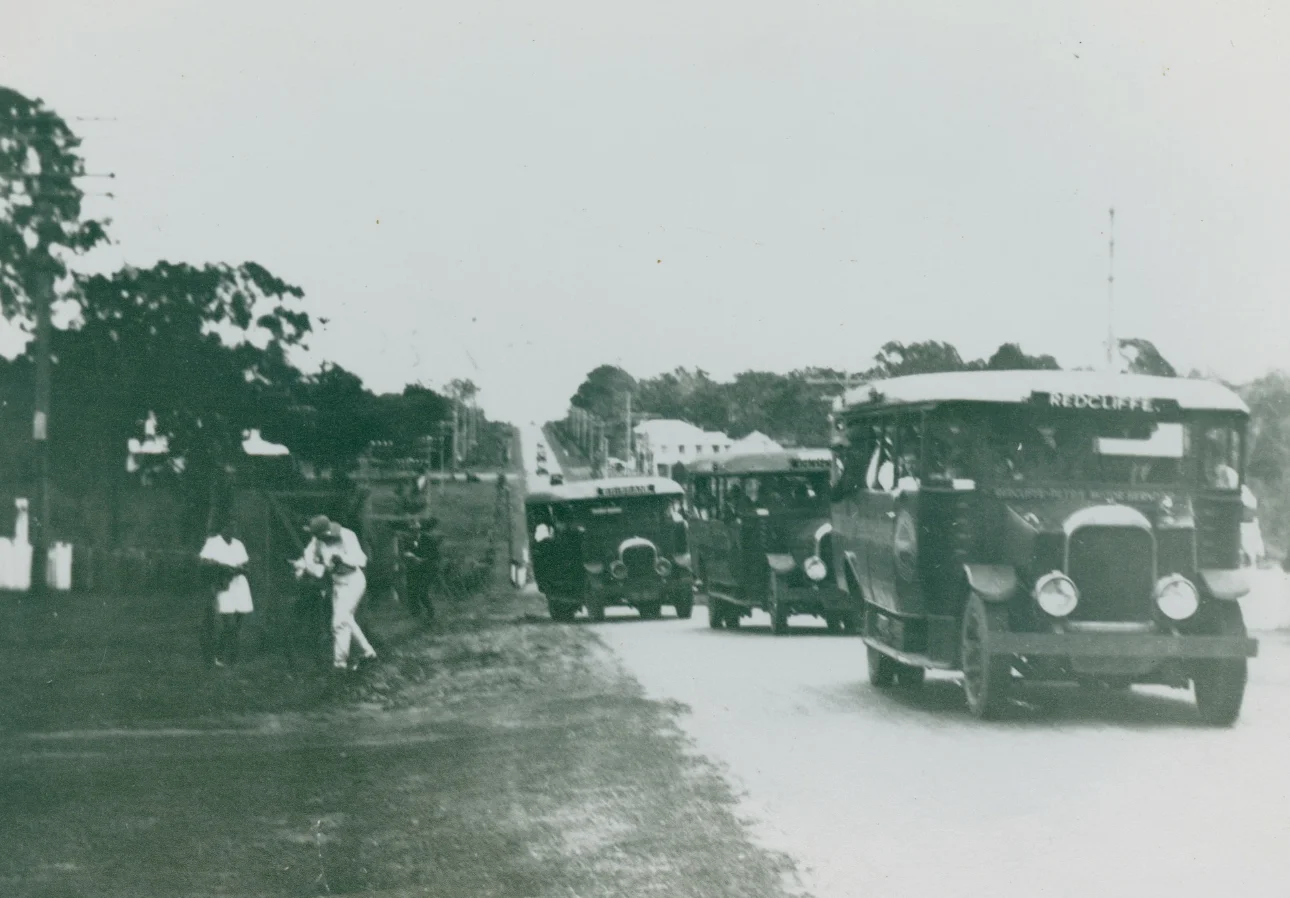
Redcliffe WWI history
Photo Credit: City of Moreton Bay/Facebook

Enduring Connection Between Past And Present

Today, Anzac Memorial Avenue remains a key route linking Petrie and Redcliffe while carrying its historical purpose forward. Its continued use reflects how infrastructure can also serve as a place of remembrance, connecting generations through shared history.


In Redcliffe, the centenary and the ANZAC period together highlight a legacy shaped by community effort, practical need, and enduring respect for those commemorated along its path.

Published 10-Apr-2026
Dorothy Kathleen Greenup: A Redcliffe Family’s Wartime Story

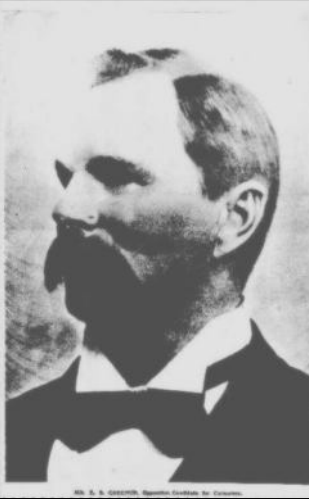
Long before Redcliffe became the peninsula community it is today, a number of families had already put down roots and taken part in its early civic life. The Greenups were one of them. Dorothy Kathleen Greenup, born in Stanthorpe on 7 March 1895, is among the family members whose story has been recorded.

Dorothy was the daughter of Edgar Brodie Greenup, who had arrived in Sydney with his parents in 1850, attended Kings School in Parramatta, and by 1872 had joined the tin rush to Stanthorpe. He later took up a tract of country in the Texas District, naming the property Copmanhurst, where the family farmed and grew tobacco, earning awards for their efforts.


Read: Women Leading the Way in SEQ Catholic School Communities


Mr Greenup was also active in public life. He served on the Inglewood Shire Council for over 20 years, including a period as Chairman, and the Masonic Lodge in Texas was named in his honour. When difficult economic conditions forced the sale of Copmanhurst in 1897, the family relocated to Redcliffe, where Mr Greenup continued his civic involvement as a member of the Redcliffe Shire Council for a further 12 years.

Dorothy attended Cambridge Ladies College in Stanthorpe and later Gennie Memorial School in Toowoomba. In 1910, aged just 15, she accompanied her father on a trip to London, where she studied piano and graduated with honours from the Royal Academy of Music.

On their return, Mr Greenup was elected to the Humpy Bong School Committee. At the time of the First World War, Mr Greenup was serving as chairman of the Redcliffe Shire Council, and both his wife and Dorothy were described as being very active in local affairs.

Dorothy Kathleen Greenup
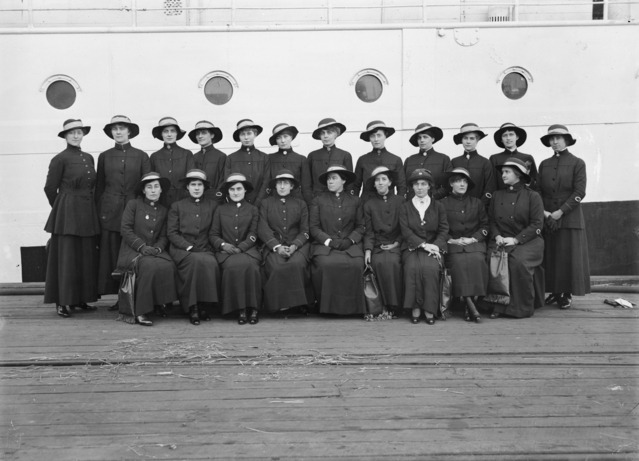
A group portrait of the “Bluebirds” nurses during their voyage from Sydney to Europe on board the HMAT ”Kanowna” (Photo credit: Australian War Memorial

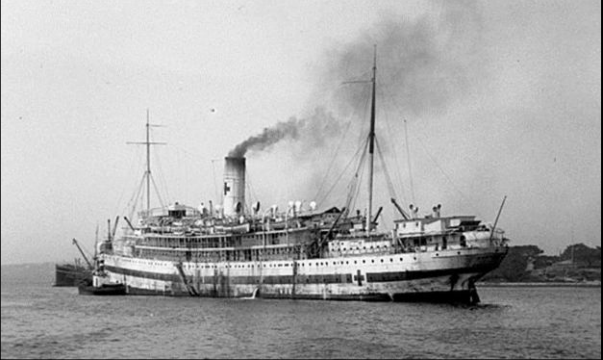
On 16 December 1915, Dorothy enlisted in the Hospital Transport Corps, listing her age as 20 years and nine months on her Attestation Paper. Six days later, on 22 December 1915, she departed Sydney aboard the HMAHS Kanowna, bound for the Middle East.

Dorothy Kathleen Greenup
Photo credit: Redcliffe & District Family History Group Inc

Read: From Demolished Landmark to Bay Icon: Here’s What’s Coming to Suttons Beach Pavilion


Dorothy was initially assumed to be a nurse but was assigned duties as a ward assistant on the hospital ship. After the ship’s arrival in Egypt, Dorothy was repatriated to Australia and was discharged on 1 April 1916. She was subsequently awarded the British War Medal and the Victory Medal for her service. According to the Australian Nurses in World War 1 register, believing a mistake had been made, she offered to return them.

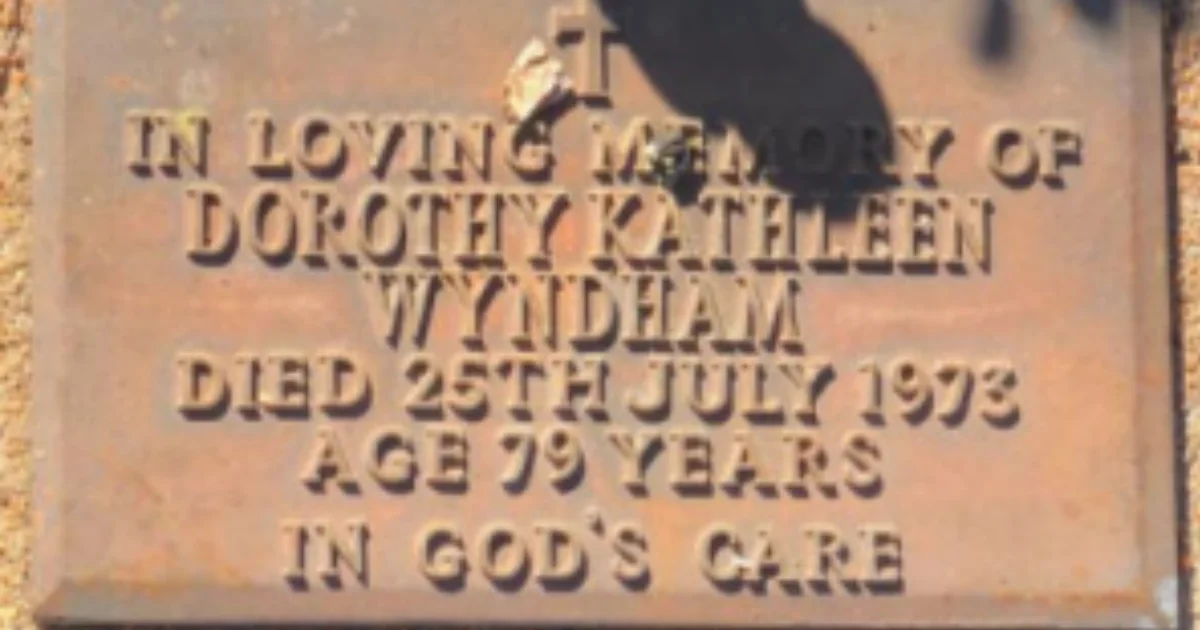
She later married Rupert Neville Wyndham in 1935 and died on 25 July 1973. Her service record is held by the National Archives of Australia.

Published 31-March-2026