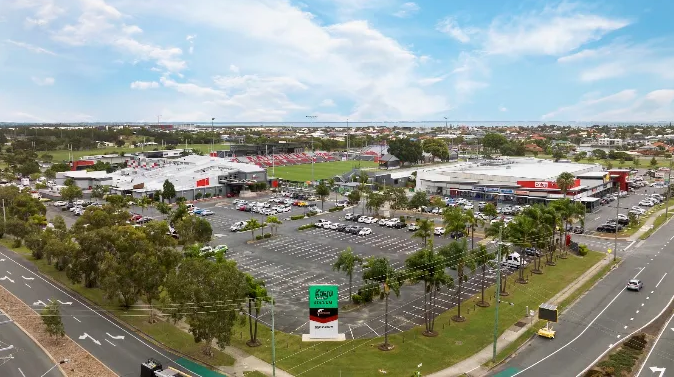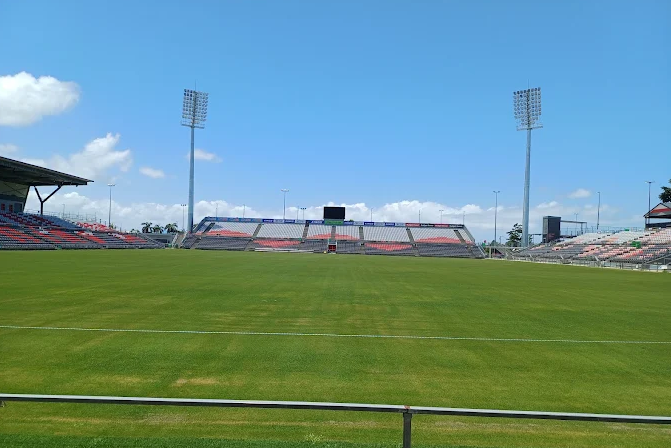


Kippa-Ring Sewer Upgrade and Peninsula Smoke Testing Put Wastewater Network in Focus

Work is underway on a major wastewater upgrade in Kippa-Ring, while a separate testing programme across the Redcliffe Peninsula is helping Unitywater identify faults that can put extra pressure on the sewerage network during heavy rain.

Residents across the Redcliffe Peninsula may see two different types of wastewater work taking place over the coming months. One involves new pipes and improvements to a pumping station on Hercules Road in Kippa-Ring. The other uses artificial smoke to find faults in sewer pipes and private plumbing connections that can allow rainwater into the wastewater system.


Although the projects are separate, both form part of Unitywater’s efforts to maintain reliable services as established neighbourhoods age and new developments add to demand.

At Hercules Road, the utility is upgrading an existing gravity wastewater main and pump station, installing approximately 400 metres of new pipe and constructing new maintenance holes.

The improvements are intended to support new developments in Kippa-Ring, Newport, Rothwell and Morayfield South.

Unitywater Executive Manager Sustainable Infrastructure Solutions Mike Basterfield said the project was among several upgrades being delivered across Moreton Bay.

“The works also include an upgrade to the gravity wastewater main and pump station on Hercules Road, including 400 metres of new pipe and new maintenance holes. This upgrade will support new developments in Newport, Rothwell, Kippa Ring and Morayfield South,” he said.

Construction on the first stages of the wider wastewater upgrade programme began in September 2026, with work continuing across different locations until June 2027.

When Rainwater Finds Its Way into Sewer Pipes

While the Hercules Road project focuses on upgrading infrastructure, Unitywater’s smoke-testing programme is designed to identify problems in the existing wastewater network.

During heavy rainfall, stormwater can enter sewer pipes through damaged infrastructure, faulty connections or incorrectly connected drainage. That additional water can overwhelm parts of a system designed primarily to carry wastewater from homes and businesses.
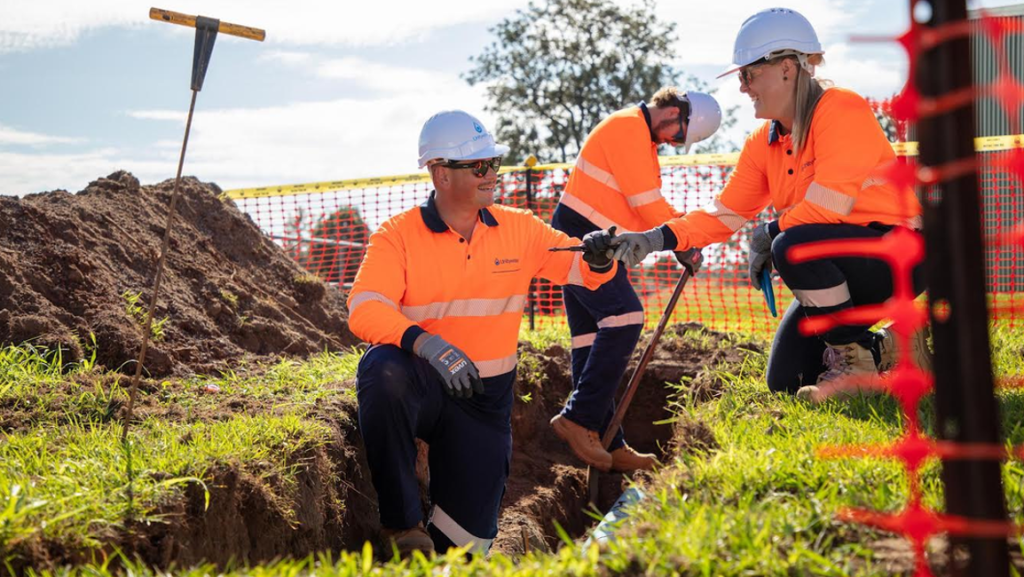
Photo credit: Supplied

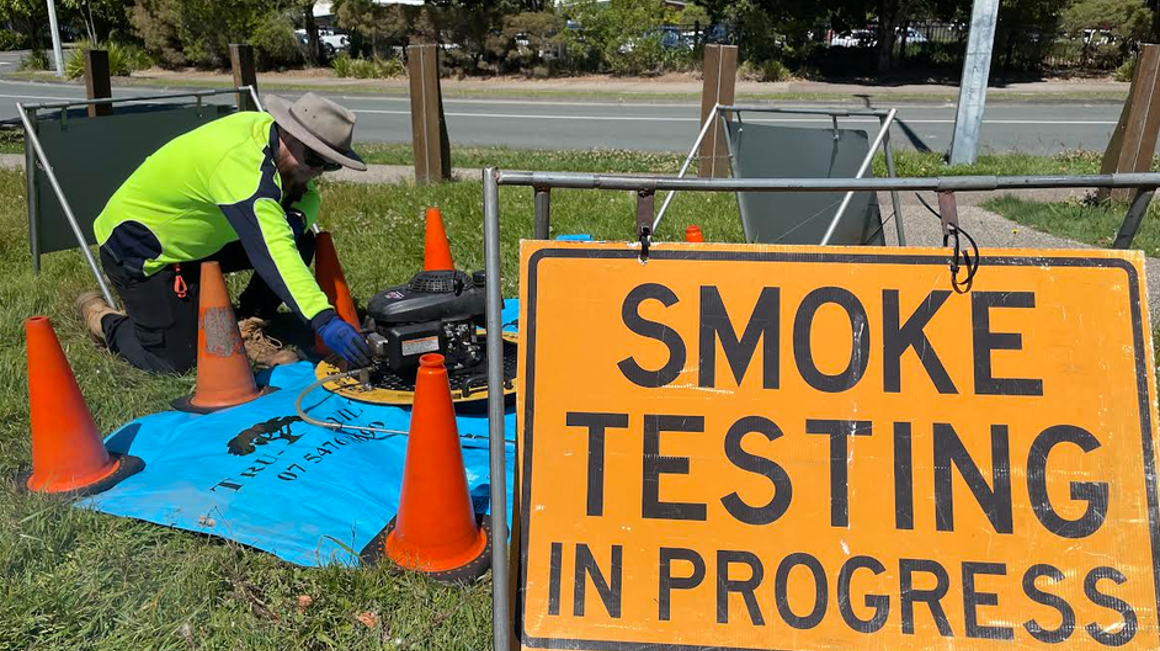
To find potential entry points, crews introduce non-toxic artificial smoke into sections of the sewer network. Where smoke escapes through a damaged pipe, faulty fitting or other opening, it can indicate a location requiring further investigation.

Unitywater announced on 12 October that its annual testing programme was underway across Moreton Bay, including Kippa-Ring, Rothwell, Redcliffe, Margate, Clontarf, Scarborough and Woody Point.

According to Unitywater, approximately 4,000 defects in private plumbing connections have been identified across Moreton Bay over the past five years, with 85 per cent rectified.

Mr Basterfield said the repairs had helped reduce the amount of stormwater entering the wastewater network.

“Across Moreton Bay 85% of these defects have been rectified, which has reduced stormwater inflow by 24%, which reduces the likelihood, frequency and volume of overflows occurring,” he said.

The figures relate to the wider Moreton Bay testing and rectification programme, rather than to Kippa-Ring or the Redcliffe Peninsula alone.

What Happens if Smoke Testing Finds a Problem?

The smoke-testing programme has already uncovered thousands of plumbing faults across Moreton Bay, many of which property owners may not have known existed.

According to Unitywater, approximately 4,000 defects in private plumbing connections have been identified during the programme’s first five years. These include incorrectly installed or poorly maintained overflow relief gullies, which are designed to prevent sewage backing up inside buildings, and downpipes illegally connected to the wastewater system.

About 85 per cent of those defects have since been rectified, contributing to a reported 24 per cent reduction in stormwater entering the wastewater network across Moreton Bay.

The investigations extend beyond household plumbing. During the last financial year, Unitywater inspected 14,600 maintenance holes, looking for problems such as loose covers and tree roots that can cause blockages or allow stormwater into sewer pipes.

For residents in Clontarf, Kippa-Ring, Margate, Redcliffe, Rothwell, Scarborough and Woody Point, smoke testing will continue over the coming 12 months.

Photo credit: Supplied

The artificial smoke is safe, non-toxic and non-staining. It is introduced into wastewater pipes and becomes visible where it escapes through vents, cracks or faulty connections, helping crews identify locations that may need further investigation.

Residents do not need to be home during testing and can expect a letter in their mailbox approximately two weeks before crews arrive.

If a fault is identified in private plumbing, Unitywater says it will ask the customer to take reasonable steps to have the problem rectified.

The testing is particularly important during heavy rainfall, when excess stormwater entering sewer pipes can increase the risk of wastewater overflowing onto private properties or into the surrounding environment.

For residents, the distinction matters. The Hercules Road project involves construction to improve wastewater infrastructure, while smoke testing is an inspection process that may identify problems in existing pipes or private plumbing.

Unitywater says properties selected for smoke testing will generally receive at least 14 days’ advance notice. The testing does not require access inside homes and is not expected to interrupt wastewater services.

The utility has not provided specific traffic arrangements or a separate completion date for the Hercules Road construction in its latest announcement. Its delivery partner, Abergeldie, is undertaking the wider upgrade works, which are expected to finish in June 2027.


Unitywater’s broader five-year infrastructure programme involves $2 billion in water and wastewater investment across Moreton Bay, the Sunshine Coast and Noosa. That is a region-wide commitment, not the cost of the Kippa-Ring project.

As the peninsula accommodates further development, the two programmes illustrate the work involved in maintaining the network from different directions: adding capacity where it is needed while finding faults that can undermine the performance of infrastructure already in the ground.

Published 14-October-2026
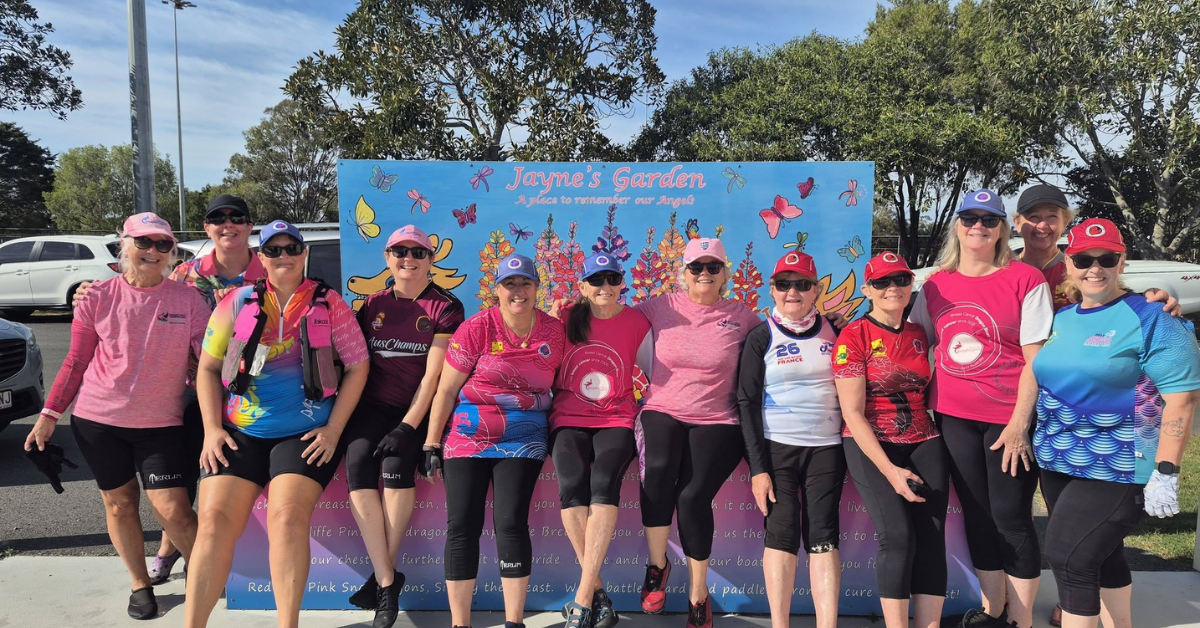
Redcliffe Pink Snapdragons Invite Breast Cancer Survivors Aboard

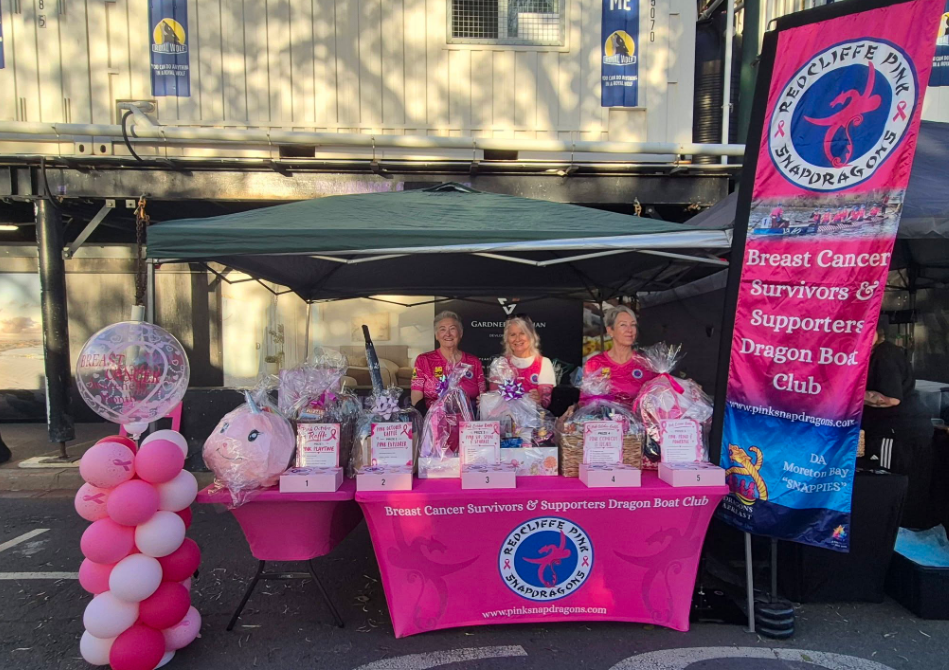
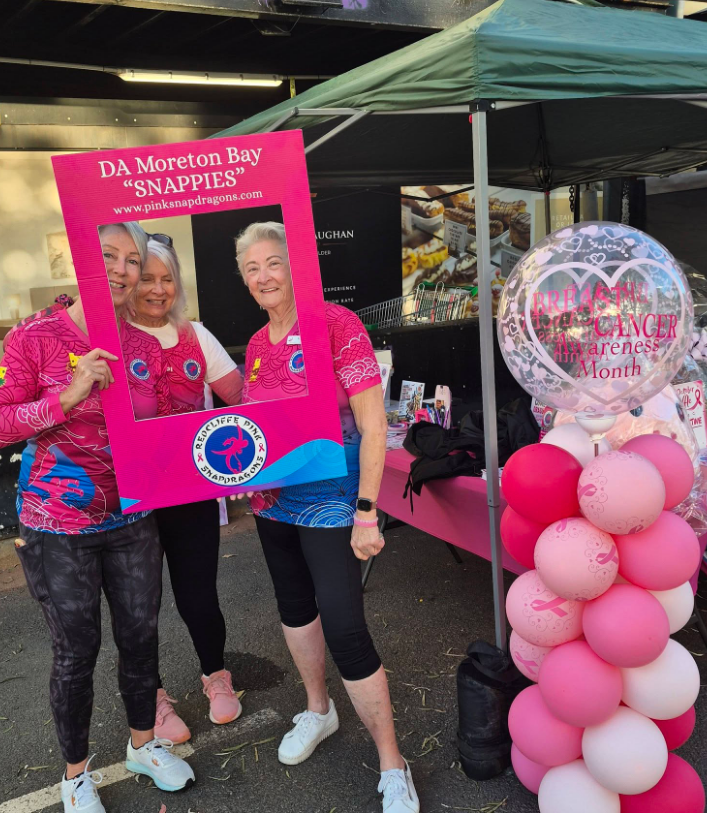
Redcliffe Pink Snapdragons are making room for new paddlers in Kippa-Ring, inviting breast cancer survivors and supporters to experience dragon boating as the club marks Breast Cancer Awareness Month.


The free Come and Try Morning will take place on Saturday, 17 October, from 9 a.m. to 11 a.m. at the Paddling Den in Talobilla Park. People currently undergoing breast cancer treatment, those living beyond the disease and supporters are welcome, with no previous paddling experience or particular fitness level required.

Paddles and life jackets are provided by the club, while morning tea afterwards will allow newcomers to meet the existing crew. Registration is essential.

A Crew Brought Together By Shared Experience

Founded in 2005, the Redcliffe Pink Snapdragons have spent more than two decades bringing breast cancer survivors and supporters together through dragon boating on Moreton Bay. The not-for-profit club attracts members from across the Redcliffe Peninsula and surrounding areas, with twice-weekly training sessions and participation in regattas and awareness activities. It is part of the national Dragons Abreast Australia network, where the group is known as DA Moreton Bay.

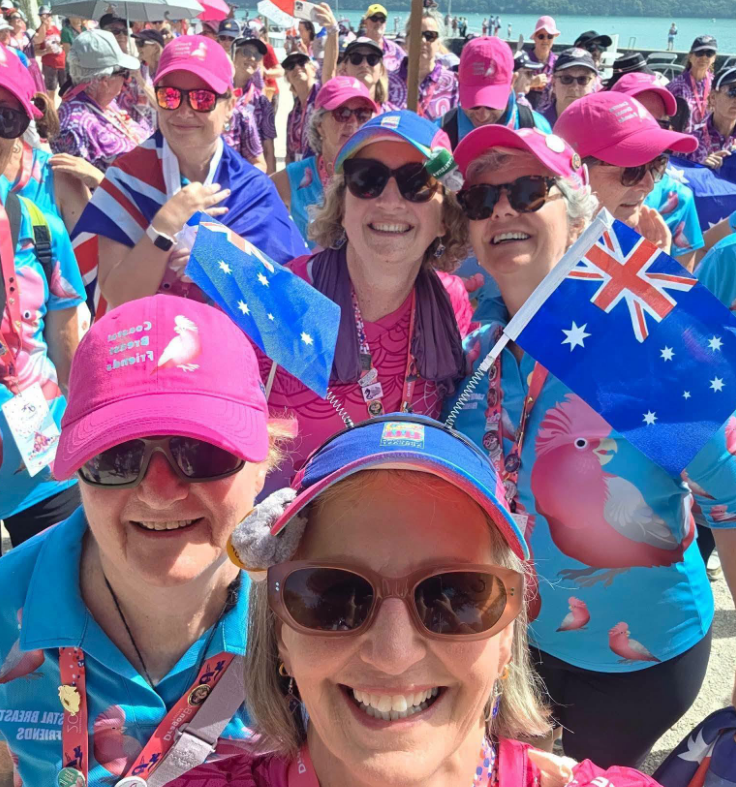
The club describes paddling as a way for members to rebuild confidence, maintain physical activity and develop friendships with others affected by breast cancer. Members are encouraged to participate at their own pace, whether through social paddling or training for competitions. Five members recently took their paddling experience overseas, joining thousands of others at the 2026 International Breast Cancer Paddlers’ Commission Participatory Dragon Boat Festival in Aix-les-Bains, France.

Lisa and Sonia paddled with Coastal Breast BCS Team 73, Anne joined Coastal Breast Supporter Team 6, while Jhana and Michelle were part of Dragons Abreast Australia’s Team Unity 104. The non-competitive festival brought together around 4,500 breast cancer paddlers and supporters from 25 countries. The Redcliffe members’ participation followed two years of planning, training and fundraising.

From Moreton Bay To The Next Big Paddle

Closer to home, the club’s October activities began with a fundraising and awareness stall at Redcliffe Markets on 4 October. A Pink October raffle will also be drawn on Saturday, 24 October, with five major prizes and tickets available at three for $5, seven for $10 or 15 for $20.

The same day, the Pink Snapdragons and Redcliffe Red Dragons are planning a Sunset Paddle from 6 p.m. through Newport’s canals, with a possible extension into Moreton Bay. The paddle and accompanying Pink October BBQ are restricted to members and families, with the combined event listed from 5:30 p.m. to 9 p.m. and tickets priced at $5.

The club is also working towards sending a breast cancer survivor team to the Australian Dragon Boat Championships in Adelaide in April 2027, followed by a longer-term goal of participating in the 2030 international festival in Singapore.


Fundraising and sponsorship are being sought to support those plans, including financial contributions, equipment, services and assistance with travel and accommodation. Club and participation enquiries can be directed to info@pinksnapdragons.com or Jhana on 0417 716 544.

Published 8-October-2026

Ten Years of Trains, 131 Years in the Making

Redcliffe waited 131 years for a railway. Ten years ago, it finally arrived.

Queen Victoria was still on the throne when Redcliffe residents began pushing for a railway to the Peninsula.

A deputation went to Queensland’s Minister for Works in September 1885 seeking a railway survey. Ten years later, Parliament was considering a £36,000 branch from North Pine — today’s Petrie — to Redcliffe.

It would be another 121 years before passengers could actually board a train at Kippa-Ring.

This October marks 10 years since regular passenger services began on the Redcliffe Peninsula Line, an anniversary Redcliffe Museum will mark on Saturday, 3 October. Behind it is a transport story stretching back 131 years — and, according to some historical records, even a little further.

A Railway for a Town of 700

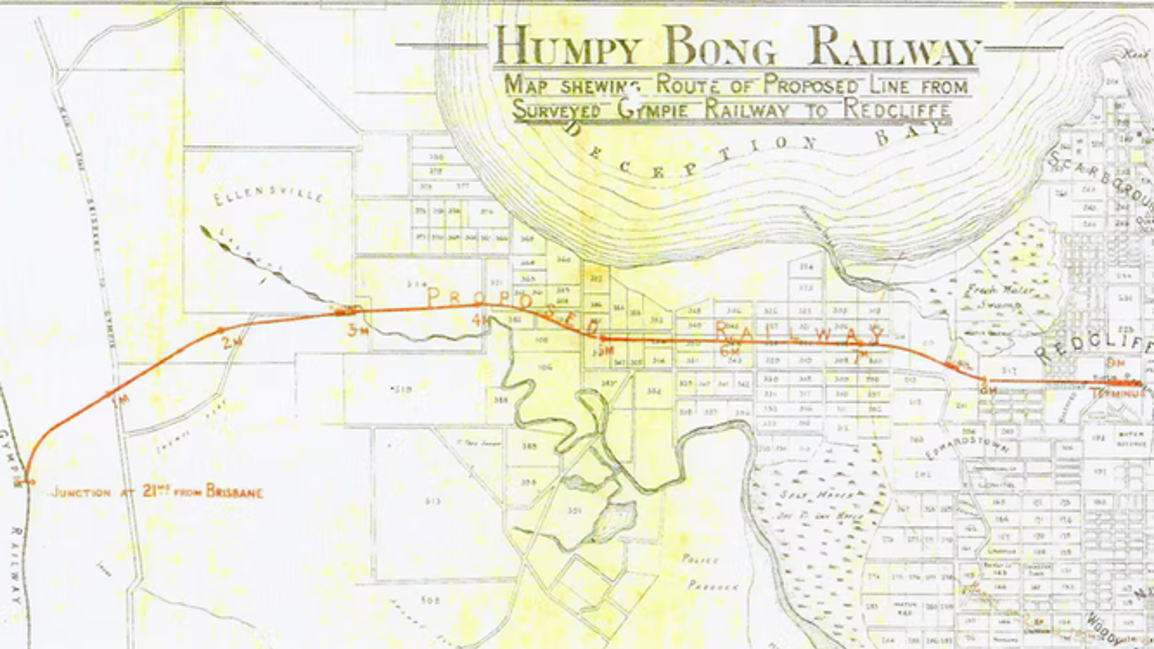
The organised campaign generally recognised as the beginning of Redcliffe’s railway story dates to 1885, although historical records refer to an earlier request for a railway to Humpybong in 1884.

By 1895, the idea had progressed well beyond local lobbying. Queensland Parliament considered plans for a branch from North Pine to Redcliffe, running 9 miles 69 chains and estimated to cost £36,000.

But approval of plans was not the same as funding a railway.

The proposal required a local financial guarantee, while MPs questioned whether a district with only about 700 residents could support the line. It created a problem that would follow Redcliffe for years: its relatively small population counted against major transport investment, while supporters argued better transport was exactly what the seaside settlement needed to grow.

Other routes followed. One remarkable 1897 proposal approached Redcliffe from the Sandgate side and contemplated crossing Hays Inlet using a pontoon system, with an unusually wide gauge proposed for the exposed section because of concerns about wind and waves.

By 1920, a Public Works Commission was still investigating competing approaches from Petrie and Sandgate.


Redcliffe Found Other Ways to Travel

While railway plans came and went, the Peninsula relied on other connections.

Steamers carried generations of visitors across Moreton Bay, with the Koopa becoming particularly associated with Redcliffe excursions from 1911. Road transport then changed the equation dramatically when the Hornibrook Highway opened in 1935.

Buses linked Redcliffe with Sandgate railway station, effectively extending the rail journey by road. Passengers could even buy combined bus-and-rail tickets.

Still, calls for a railway continued as Redcliffe grew. By 1954, Parliament heard that the city’s population had passed 13,000 and more than 2,000 people were travelling between Redcliffe and Brisbane each day.

The modern railway began taking recognisable shape in the late 1970s. In 1980, Parliament considered a roughly 12-kilometre Petrie-to-Kippa-Ring railway estimated at $19 million, with stations proposed at Kippa-Ring, Rothwell and West Kallangur and provision for another stop.

The railway was not built, but something crucial survived: its corridor. Land was progressively protected for a future line through suburbs that would continue growing around it.

Further investigations followed, including the Petrie to Kippa-Ring Public Transport Corridor study begun in 1999. Its final impact assessment was completed in 2003, with heavy rail identified as the preferred transport mode.

The Project That Finally Reached Kippa-Ring

The decisive breakthrough came in 2010 when the Australian and Queensland governments and Moreton Bay Regional Council reached a funding agreement for what was then called the Moreton Bay Rail Link.

Construction began in 2012. The completed project delivered 12.6 kilometres of electrified dual track from Petrie and six new stations at Kallangur, Murrumba Downs, Mango Hill, Mango Hill East, Rothwell and Kippa-Ring.

The Commonwealth’s completed-project record puts the final cost at about $1.01 billion.

Even then, the Peninsula had one final wait. Problems identified with the signalling system delayed the planned mid-2016 opening while testing and modifications continued around the connection with the existing network at Petrie.

The new railway was officially named the Redcliffe Peninsula Line ahead of its opening.

Thousands turned out for the community and ceremonial opening on 3 October 2016. The following morning, at 3.46am, about 50 passengers boarded the first regular service from Kippa-Ring.

After more than a century of surveys, schemes, studies and campaigns, Redcliffe finally had its train.


When the Extraordinary Became Ordinary

Ten years later, perhaps the most remarkable thing about the railway is how unremarkable catching it has become.

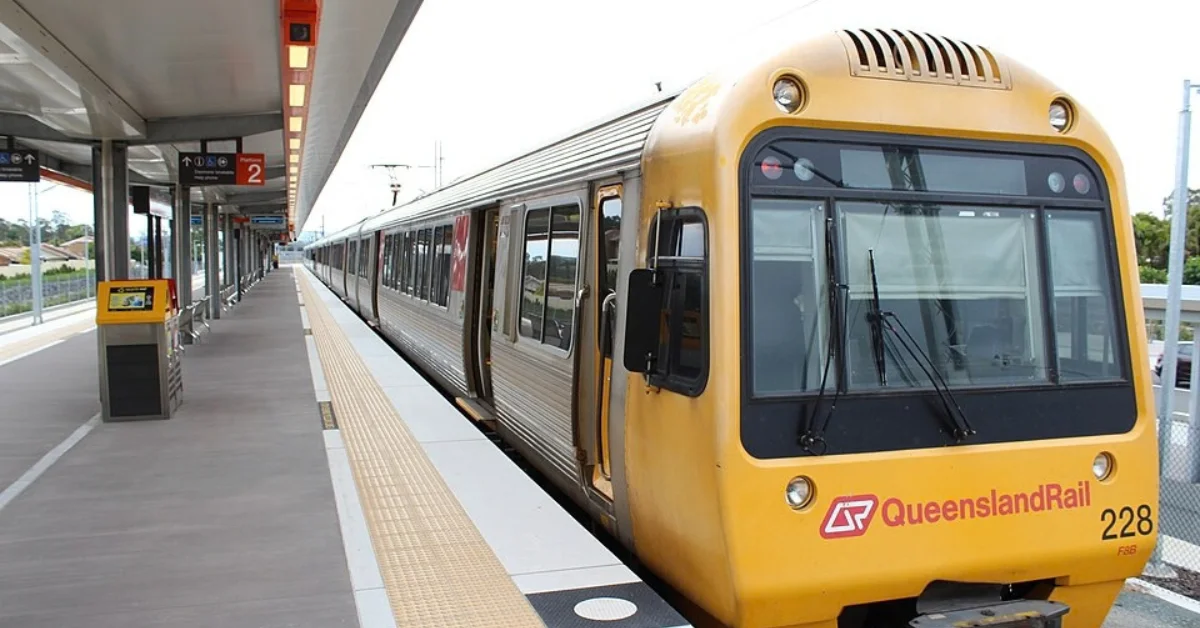
Trains now leave Kippa-Ring throughout the day, stopping at Rothwell, Mango Hill East, Mango Hill, Murrumba Downs and Kallangur before joining the older network at Petrie. A journey that occupied generations of public debate has become somebody’s ordinary trip to work, university, an appointment or home.

Redcliffe Museum will revisit the much longer story on Saturday, 3 October, from 10.30am to noon. Historian Dr Ruth Kerr will discuss the railway’s journey alongside Maxwell Barton OAM, who chaired the later “RAIL 09 – it’s time for the line” campaign.

The event at Redcliffe Museum, 75 Anzac Avenue, is free, with bookings required.

For anyone boarding at Kippa-Ring today, the 12.6 kilometres back to Petrie can feel like just another piece of Brisbane’s suburban rail network.

Getting those tracks to Redcliffe took 131 years.

Published 26-September-2026

10 Years Since Redcliffe Peninsula Railway Finally Arrived

The Redcliffe Peninsula railway line is approaching its 10th anniversary, marking a decade since trains began carrying passengers between Kippa-Ring and Brisbane after more than a century of proposals and community advocacy.


Read: Redcliffe Peninsula Line: A Community on Track for Change


The 12.6-kilometre line connects Kippa-Ring, Rothwell, Mango Hill East, Mango Hill, Murrumba Downs and Kallangur with Brisbane’s wider rail network. Redcliffe Museum will mark the anniversary by looking back at the railway’s development, from its first proposal in 1885 to the construction project that brought the line into service.

A Railway Journey More Than A Century In The Making

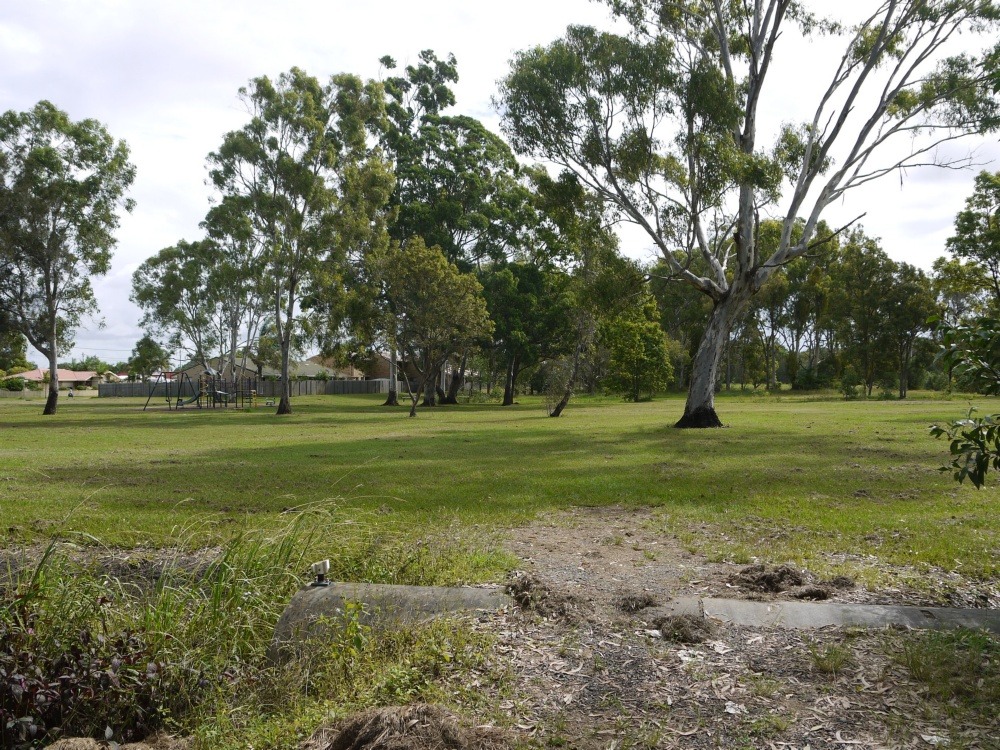
Site of Kippa-Ring railway station prior to construction (Photo credit: CC BY-SA 3.0/Advanstra/Wikimedia Commons)

The idea of a railway to Redcliffe dates back to 1885, with more than 22 proposals emerging over the decades amid changing political circumstances and community advocacy. A significant step came in 2003, when the Petrie to Kippa-Ring Public Transport Corridor Study was completed, helping establish the basis for the design that was eventually built.

Funding arrangements involving local, state and Commonwealth authorities were formalised in 2010. By mid-2013, concept designs for six new stations had been released, before construction began in January 2014 across the rail embankments, tracks, structures and stations.

By January 2016, work was nearing completion, with electrical power switched on and testing underway for the track, overhead wiring, signalling system and train stabling facilities. Signalling problems subsequently affected the project’s opening schedule, with issues at the Petrie junction meaning the system was not ready to support the required rail movements.

The line was officially opened during a community event on 3 October 2016, attended by then-Prime Minister Malcolm Turnbull, former Queensland Premier Annastacia Palaszczuk and former Moreton Bay Mayor Allan Sutherland. Residents could travel on free shuttle services between stations, while community activities were held along the line.

Regular passenger services began the following day, with the first train leaving Kippa-Ring at 3.46am on 4 October. The milestone brought the long-running proposal into everyday use for commuters across the peninsula and surrounding suburbs.

Redcliffe Museum Event To Revisit The Railway’s History

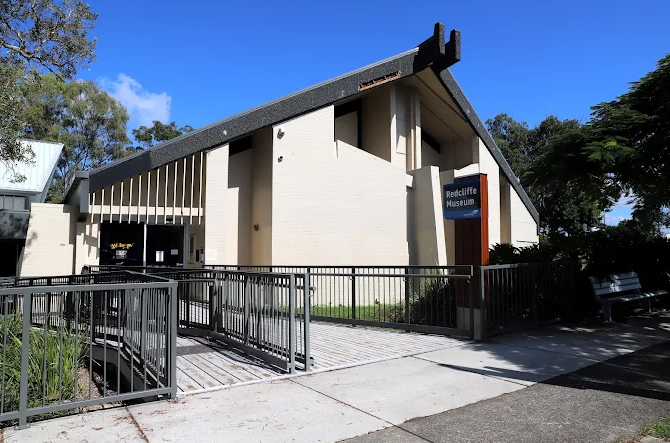
Photo credit: Google Maps/Redcliffe Museum

The museum’s anniversary event will be held on Saturday, 3 October 2026, from 10.30am to noon at the Redcliffe Museum. Historian Dr Ruth Kerr will discuss the railway’s development, drawing on its history from the 1885 proposal through to the line’s opening.

Dr Kerr has more than 45 years of experience as a Queensland historian and is recognised for her expertise in mining, railways, pastoral and administrative history. She is also an adjunct professor at The University of Queensland and received the John Douglas Kerr Medal of Distinction in 2013.

She will be joined by Maxwell Barton OAM, who chaired the “RAIL 09 – it’s time for the line” campaign and was involved in advocating for the railway. The event will examine the proposals, political changes and community efforts that eventually led to the 12.6-kilometre, $1.2 billion rail link.


Read: Short-Term Rail Disruptions to Affect Caboolture, Redcliffe and Shorncliffe


Admission is free and the event is open to all ages, with bookings essential. The anniversary offers a chance to revisit the decisions, advocacy, and construction milestones that shaped the peninsula’s rail connection.

Published 23-September-2026

New Lights Open Up More Night Football for Redcliffe Dolphins

More football can now be squeezed into the evenings at Boardman Oval with a $150,000 lighting upgrade giving Redcliffe Dolphins Soccer Club better use of two of its three pitches after dark.

The completed project replaced ageing lighting on seven existing poles with energy-efficient LED luminaires, along with new circuit protection, electrical equipment and lighting controls.

For a club with more than 300 returning players, the difference is more practical than cosmetic. Two pitches can now accommodate games under the improved lighting at the same time, opening more options for evening competition and events at the Kippa-Ring grounds.

Club president Ginette Barrett said that was one of the biggest gains from the upgrade.

“The new lighting creates more game time for players, as we can cater for more games being played at the same time across two pitches,” Ms Barrett said.


Read: Talobilla Park Keeps Growing as a Peninsula Sports Hub in Kippa-Ring


One less job for volunteers

There is also a smaller change that will be familiar to anyone who has helped run a community sporting club.

The new controls allow the lights to be switched on remotely. Previously, someone had to get to the grounds to operate them — another job for a volunteer at a club that describes itself as volunteer-run.

“The lights can be switched on from anywhere without having to be at the grounds, which saves volunteers time racing to the fields to turn them on and off,” Ms Barrett said.

The LEDs replace what the Queensland Government described as costly and outdated infrastructure. The department says the new system should reduce ongoing operating costs as well as improve conditions for evening training and competition.

The work was delivered through the Queensland Government’s Games On! program, which is supporting 119 community sporting infrastructure projects across the state.

Redcliffe Dolphins operates three soccer fields at Boardman Oval and caters for players from MiniRoos through junior and senior competitions. Its 2026 program includes FQPL3 and under-23 men’s teams, Metro football and junior age groups, while the club says more than 300 players returned to register.


Read: Dolphins Pitch Kippa-Ring Precinct Upgrade Ahead of Brisbane 2032


Another piece of Talobilla’s sporting puzzle

Boardman Oval sits within the much larger Talobilla Park sporting precinct, alongside facilities used for rugby league, baseball, softball and other community sport.

The lighting work is separate from the major projects now unfolding elsewhere at Talobilla, including the new softball clubhouse and further softball facility works ahead of the 2027 WBSC Women’s Softball World Cup Finals.

It does, however, add another completed improvement to a precinct that has been developed as a centre for Peninsula sport over several decades.

Council currently identifies three soccer fields at Talobilla Park. For the Dolphins, the immediate change is simpler: two of those pitches now have upgraded lighting, more games can be accommodated after dark, and switching the lights on no longer requires a volunteer to make a trip to the ground.

Published 16-September-2026

Eight Years Without Stable Housing Shapes Kippa-Ring Case

A man convicted over a Kippa-Ring bottle-shop theft said he was not planning to seek parole because release would leave him without a stable place to live after about eight years of homelessness.


Jonathen Joinbee, 31, pleaded guilty in Cleveland Magistrates Court to four counts of stealing after previous conviction.

One of those offences occurred at BWS Peninsula Fair in Kippa-Ring, while others involved shops at Cleveland and Raby Bay.

Peninsula Fair Theft Brings Kippa-Ring Link

The Peninsula Fair offence happened about 9:40am on 1 May.

CCTV showed Joinbee taking a bottle of Jack Daniel’s valued at about $50 before telling staff what he was doing and indicating security could be called.

The police prosecutor said Joinbee had displayed similar behaviour during other bottle-shop thefts, calmly telling workers he was taking alcohol before leaving.

Moreton Bay community
Photo Credit: Pexels

Eight Years Of Homelessness Raised

The sentencing hearing also dealt with Joinbee’s circumstances outside custody.

His lawyer said Joinbee had been homeless for about eight years before his May arrest and had nowhere to live if released.

The absence of accommodation contributed to his stated decision not to apply for parole.

His parole had been suspended since 6 May, while his existing District Court sentence had a full-time expiry date of 26 May 2027.

The police prosecutor nevertheless argued parole should remain available, allowing Joinbee the opportunity to live in the community under supervision and address his alcohol problem.

Kippa-Ring homelessness and parole
Photo Credit: Pexels

Leaving Custody Without Housing

Housing difficulties among people leaving custody extend beyond Joinbee’s individual case.

Australian Institute of Health and Welfare figures show specialist homelessness services assisted about 8,800 people exiting custodial arrangements nationally during 2024–25. About 5,800, or 66 per cent, needed accommodation assistance, while approximately 2,500 received that form of support.

Among approximately 2,000 clients who were homeless when they began receiving support after leaving custody, about 1,300 were still experiencing homelessness when their support ended. Around 330 were recorded as sleeping rough.

The figures provide national context rather than information about Joinbee personally, but show that securing stable accommodation can remain an issue for some people moving from custody back into the community.

Closer to Kippa-Ring, Queensland recorded 19,623 people using funded specialist homelessness services during May 2026, covering people experiencing homelessness as well as those at risk of losing housing.

Parole Option Remains Open

Acting Magistrate Rebecca Bellamy considered Joinbee’s previous probation, intensive correction orders, parole and imprisonment before imposing a nine-month jail sentence.


The period he had already spent in custody was taken into account and he was made immediately eligible to apply for parole.

The decision left Joinbee with the option of release under supervision, while the lack of stable accommodation remained one of the practical issues raised during sentencing.

Published 2-September-2026

Dolphins Pitch Kippa-Ring Precinct Upgrade Ahead of Brisbane 2032

The Dolphins are pitching their Kippa-Ring home as a potential asset for Brisbane 2032, with a proposed hotel, convention centre, high-performance facility and expanded Kayo Stadium forming part of a broader master plan for the Redcliffe precinct.


Read: Then and Now: Waldheim, the Stephen Family’s Homestead in Annerley


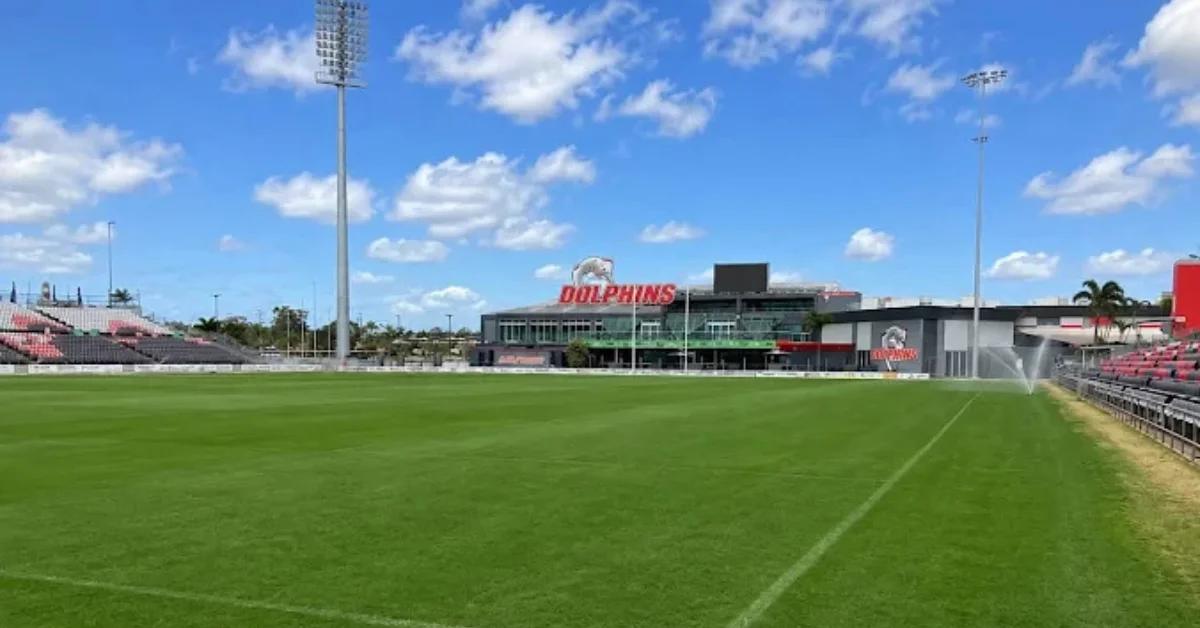
The NRL club’s Redcliffe base is at the Redcliffe Leagues Club, adjacent to Kayo Stadium at the corner of Klingner Road and Ashmole Road in Kippa-Ring. The proposed redevelopment would add facilities that the club believes could become increasingly relevant as Brisbane prepares for the 2032 Olympic and Paralympic Games.

The proposed high-performance centre has been the subject of several funding and cost figures as plans have developed. The Dolphins announced an $8 million government funding commitment towards the facility in April 2025. A 9News exclusive later reported the project at $40 million, while Moreton Daily, reporting on the Dolphins’ broader master plan outlined by Dolphins Group CEO Tony Murphy in January 2025, put the first stage of the redevelopment at about $60 million. More recently, the Brisbane Times reported the proposed high-performance centre at $50 million.

Photo credit: Google Maps/Redcliffe Leagues Club

The Dolphins’ broader ambitions for the site are not new, with plans for expanded stadium seating, hotel accommodation and conference facilities publicly reported as early as January 2025

The broader proposal includes hotel accommodation, a convention centre and a new southern grandstand. A convention centre and new southern grandstand are also proposed, with the existing leagues club set to be replaced as part of the longer-term plans.

The proposal comes as fixture congestion at major Brisbane venues is already prompting some teams to use alternative grounds. Kayo Stadium has already provided another option for sporting teams. Brisbane Roar is due to play seven of its 13 home matches at the Redcliffe ground during the upcoming A-League campaign because of fixture congestion at Suncorp Stadium during the summer concert period.

The arrangement provides an example of Kayo Stadium being used when a major Brisbane venue is unavailable.

A stadium with room to grow

Photo credit: Google Maps/Josh J

The scale of the stadium proposal has changed over time. Earlier reporting put the planned capacity at 22,000 to 24,000, while more recent reporting put the capacity at about 16,000 with the addition of a covered southern stand. The proposed stand would also include corporate facilities.

Earlier plans for the precinct included about 200 hotel rooms providing 300 to 400 beds, with the additional accommodation intended to help ease a shortage across Moreton Bay.

The high-performance centre forms another part of the club’s broader redevelopment plans, with the Dolphins saying community needs would be considered in its final design. These include education, junior player pathways, women’s rugby league and support for Indigenous organisations.

The Dolphins have also identified potential uses for the precinct as Brisbane prepares for the 2032 Games. Mr Reader said the club hoped the precinct could be ready for the Games, with the potential to provide accommodation and training facilities for Olympic teams before competition begins.

The prospect of helping displaced sports had been raised earlier. In January 2025, Dolphins Group CEO Tony Murphy said the club wanted to help address issues facing sports when their existing stadiums were unavailable because of the Games.

Kayo Stadium is already used beyond Dolphins fixtures. The ground has hosted Brisbane Roar matches and is also due to be used for the Women’s Softball World Cup.

The proposal remains a master plan rather than a completed redevelopment, but it places the Kippa-Ring precinct among the venues being considered for a broader sporting role. An expanded Kayo Stadium and additional accommodation could also strengthen Redcliffe’s ability to host sporting events and visitors.


Read: Dolphins Finish Strong To Pull Away From Tigers In Campbelltown


If the master plan progresses, the Kippa-Ring site could have expanded sporting and accommodation facilities ahead of the 2032 Games, while the high-performance centre could add health and education elements to the Dolphins’ existing home.

For a club already drawing major sporting attention to the peninsula, the proposal represents an attempt to make its Redcliffe base useful beyond regular NRL match days.

Published 25-August-2026. Updated 26-August-2026.

Kippa-Ring’s Isabella Allen Builds Blind Tennis Career With Ira Beside Her

Kippa-Ring’s Isabella Allen is preparing to defend her national blind tennis title and compete overseas for the first time, with Seeing Eye dog Ira supporting her independence across work, travel and sport.


Kippa-Ring Champion Builds Towards Nationals

Kippa-Ring’s Isabella Allen is preparing for another major step in blind and low vision tennis, with a national title defence ahead before her first overseas international tournament.

Allen, 35, trains in Redcliffe and Mitchelton while working as a Research Agreements Officer at Mater Research. Her schedule also includes volunteering, tandem cycling, blind soccer, catching up with friends and travelling for blind tennis tournaments.

She is listed by Tennis Australia as Queensland’s No. 1 B1 women’s singles player and No. 2 in B1 open doubles.

Allen’s next competition focus is the Australian Blind and Low Vision Championships from July 17-19, where she will defend the B1 women’s singles title she won last year. She claimed that title against Victoria’s Tess Whelan, before the pair also won B1 open doubles.

Isabella Allen’s Path Into Blind Sport

Allen was born with retinitis pigmentosa, a degenerative retinal condition that causes gradual vision loss. She began losing her vision at 10 years old, first becoming night blind before her field of view, colour vision and central vision progressively changed.

She began receiving support from Vision Australia at 16. That support helped her secure employment and introduced her to Swish, a sport for blind and low vision players, which became part of her broader interest in blind sport.

Blind tennis has since become a major part of Allen’s sporting life. Her recent results include finishing as B1 open singles finalist at the 2026 SA Blind and Low Vision Open, where she also won B1 open doubles with Isaiah Muller.

At the 2025 WA Blind and Low Vision Open, Allen was runner-up in B1 open singles, third in B2-B4 women’s singles, part of the winning B1 open doubles pairing with Whelan, and third in B2-B4 open doubles with David Gordon.

Blind tennis ball with bells
Photo Credit: Pexels

Ira Supports Work, Travel And Tennis

Seeing Eye dog Ira is part of Allen’s daily life, helping her move through work, travel and competition.

Ira is Allen’s third dog guide, following Tatum and Penny. Tatum was Allen’s first dog guide, while Penny was matched with her in 2021 after Tatum’s health declined earlier than expected.

Penny joined Allen during a period that included university, tennis and interstate travel. After Penny retired, Allen was matched with Ira, who now accompanies her through daily commutes, busy places, airports and tennis events.

Ira also sits courtside during matches and has travelled with Allen to tournaments in Adelaide and Melbourne this year.

Airport assistance services remain part of the travel process, but Ira helps Allen move through unfamiliar environments and around obstacles with greater independence.

Before having dog guides, Allen used a white cane. That helped her identify obstacles, but travelling with a trained Seeing Eye dog has allowed her to move more freely and with less physical effort.

From Redcliffe Training To New Zealand

After the Australian Blind and Low Vision Championships, Allen is due to compete in a Queensland tournament at the end of July.

She and Ira are then expected to travel to New Zealand for her first overseas international tournament.

The upcoming trip follows a busy period of competition and travel, with Allen continuing to balance tennis with work, volunteering and other blind sports.

How B1 Blind Tennis Works

Allen competes in B1, the lowest vision category in blind and low vision tennis.

B1 players wear blackout eye shades so matches are played on equal terms. Courts use tactile line markers, while foam balls contain bells so players can track play by sound.

Players call when they are ready to serve and receive. In B1 matches, the ball can bounce up to three times.

The 2025 Australian Blind and Low Vision Championships included 49 athletes from Australia and the Asia-Pacific region. The event included a first gender-split B1 singles draw at national level and record participation in the B1 and B2 women’s divisions.

Appeal Supports Future Seeing Eye Dogs

Allen’s story is connected to the 13th annual Petbarn Foundation Seeing Eye Dogs Appeal, which runs through July.

The appeal aims to raise more than $1.2 million to help train 24 future Seeing Eye Dogs. Each dog costs more than $50,000 and can take up to two years to train.

Since the appeal began in 2014, it has raised more than $10 million and funded the training of 209 Seeing Eye Dogs.


Donations are being accepted at Petbarn stores and online during July, with the Petbarn Foundation to double donations between July 24-26.

Published 7-July-2026

Redcliffe Pink Snapdragons Share Dragon Boating With Locals in Kippa-Ring 

Redcliffe Pink Snapdragons Breast Cancer Dragon Boat Club Inc. is giving locals a closer look at its paddling community through a Come and Try Dragon Boating event in Kippa-Ring.


Redcliffe Pink Snapdragons Welcome Locals to the Water

Redcliffe Pink Snapdragons Breast Cancer Dragon Boat Club Inc. is holding a Come and Try Dragon Boating event for non-members interested in learning more about the club and its paddling community.

The event is scheduled for Saturday, 13 June 2026, from 9:00 am to 11:30 am at the Redcliffe Red Dragon Boat Club in Kippa-Ring. Participants are asked to be at the Redcliffe Red Dragons and Pink Snapdragons shed by 9:00 am.

The session is set to begin with a warm-up and coach briefing before the group aims to be on the water from 9:30 am. Registration is required so coaches can prepare crews before the session starts.

Participants are also asked to follow hygiene practices, including washing down boats, club paddles and the sweep oar after the event, and not attending if unwell.

Kippa-Ring dragon boating session
Photo Credit: CrSandraRuck/Facebook

A Redcliffe Peninsula Club Built on Support

The Redcliffe Pink Snapdragons are a not-for-profit dragon boat club for breast cancer survivors and supporters. The club is based at Talobilla Park in Kippa-Ring and paddles across Moreton Bay.

Founded in 2005, the club brings together paddlers from across the Redcliffe Peninsula, including Scarborough, Margate, Kippa-Ring, Woody Point and Clontarf, along with the wider Moreton Bay and Brisbane region.

Its activities include regular dragon boat training, regional regattas, breast cancer awareness fundraising and social events. The club is part of Dragons Abreast Australia, where it is known as DA Moreton Bay.

What New Paddlers Can Expect

The Come and Try event gives visitors a chance to see where the club trains, meet members and experience a paddling session in a supportive setting.

No previous dragon boating experience is needed. The club provides paddles and life jackets, and newcomers are guided through the activity.

The club welcomes breast cancer survivors and supporters, regardless of fitness level or paddling background. It presents dragon boating as a way to stay active, enjoy Moreton Bay and connect with others through a shared team activity.

The Story Behind the Pink Snapdragons

The Redcliffe Pink Snapdragons were founded after Jayne Coe, who had been diagnosed with breast cancer at 31 and later with a lung secondary in 2001, was inspired by breast cancer paddlers she met at the National Dragon Boat Regatta in Canberra in 2003.

After returning to Redcliffe, she worked towards forming a local club. Redcliffe Pink Snapdragons was established in 2005 with support from Dragons Abreast Australia and the local community. Jayne served as the club’s first president until her death in 2007.

In 2025, the club marked 20 years of paddling, friendship and survivorship. It recorded more than 50 active members and more than 100 events attended.


The Come and Try event continues that local story, offering Redcliffe residents a way to understand the club’s work, its history and the role dragon boating plays in bringing survivors and supporters together on Moreton Bay.

Published 8-June-2026

Redcliffe And Kippa-Ring Passengers Adjust To Reduced Train Timetable

Passengers travelling from Redcliffe and Kippa-Ring are having to rethink weekday train trips as the Redcliffe Peninsula line runs to a reduced timetable, with fewer services across the day and crowding expected on some trains.


Kippa-Ring Trips Affected By Redcliffe Peninsula Line Changes

Train passengers in the Redcliffe and Kippa-Ring area are being advised to check their journeys before heading to the station, as Queensland Rail continues running a reduced weekday timetable across South East Queensland.

The Redcliffe Peninsula line is among the affected services. Under the altered schedule, trains are operating less often than usual, with the weekday timetable now running in a pattern similar to a Saturday service. Extra services have been added during the morning and afternoon peaks, but passengers are still being told to allow more time.

The reduced timetable began on Tuesday, 5 May, and remains in place until further notice. It has been introduced due to protected industrial action.

Across the wider network, 273 weekday train services have been removed from the timetable.

Redcliffe Peninsula line
Photo Credit: Translink/Facebook

Fewer Services During The Weekday Rush

For Redcliffe-area passengers using the Kippa-Ring end of the line, the main change is service frequency. During peak travel periods, Redcliffe Peninsula line trains are running every 15 minutes. Outside peak periods, most trains are operating about every 30 minutes.

That means passengers who usually time their trip around frequent weekday services may need to plan more carefully, particularly when travelling during busy morning and afternoon periods.

Some trains are also running as three-car services until further notice. Queensland Rail has advised passengers to allow extra travel time and consider taking an earlier or later train where possible, as services are expected to be more crowded than usual.

Redcliffe Passengers Urged To Recheck Timetables

Passengers are being directed to the TransLink journey planner before travelling. The journey planner has been updated until Friday, 8 May, with the latest timetable information.

The advice applies to affected services across South East Queensland, including the Redcliffe Peninsula line. For Kippa-Ring and Redcliffe commuters, checking before leaving home may help avoid missed connections, longer waits or unexpectedly crowded services.


No end date has been confirmed for the reduced timetable. The altered schedule remains in place until further notice, with further changes possible if network conditions shift.

Published 7-May-2026