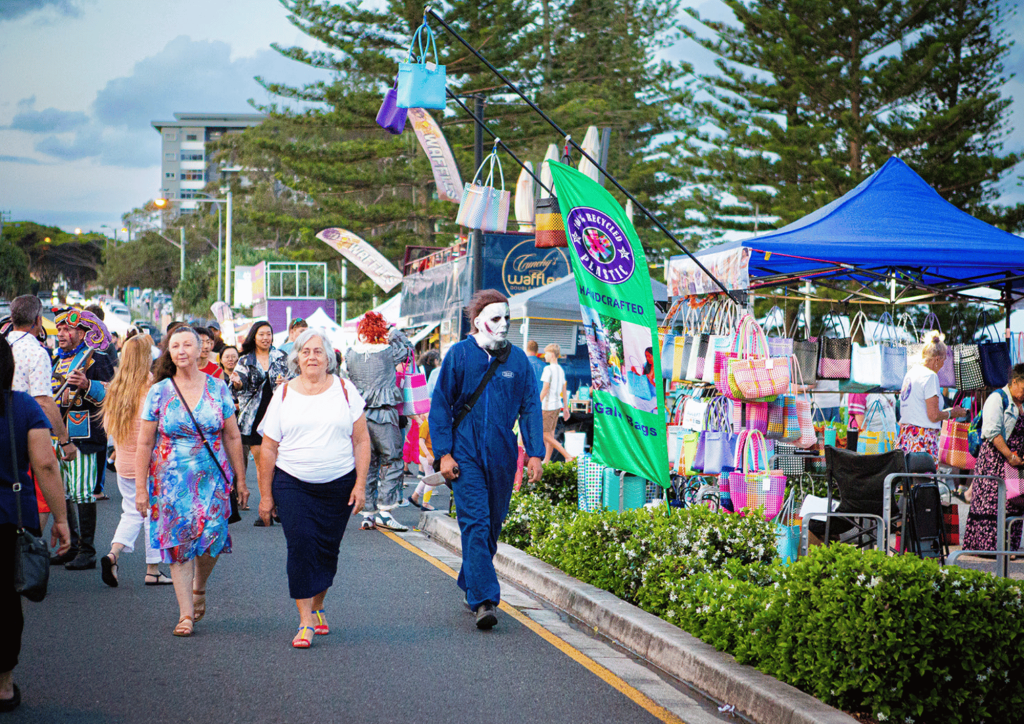
Redcliffe Markets Up Late is set to transform Redcliffe Parade into a bustling twilight market, bringing more than 250 stalls, live entertainment and roving performers inspired by underwater sea life to the foreshore.
The event returns on Saturday 25 July from 4pm to 9pm, turning the seaside strip from its familiar Sunday morning rhythm into a five-hour evening experience. Entry is free, with visitors who register for a ticket here automatically entered into a draw for a gourmet hamper valued at more than $200.
A twilight celebration by the bay
More than 250 curated stalls bring together South-East Queensland’s gourmet street food alongside artisan goods, handmade wares and market provisions. Live music runs across the evening, with roving performers costumed as underwater sea creatures moving through the crowd as part of the event’s immersive entertainment program.
Photo Credit: Supplied
Family-friendly activities and interactive kids’ activations are scheduled throughout the night, making this a workable event for families who want to venture out for a weekend evening out without sacrificing the children’s enjoyment.
Photo Credit: Supplied
A market with deep roots in the Redcliffe community
The Redcliffe Markets have run every Sunday along Redcliffe Parade for years, establishing themselves as one of the Moreton Bay region’s most visited regular markets with more than 200 stalls, trawler-direct seafood, farm-direct produce, fresh-baked bread, artisan goods and live entertainment each week from 8am to 2pm.
Photo Credit: Supplied
The Up Late events are curated by Goodwill Projects, the same Queensland events company behind the Sunday market, which also operates the West End and Milton markets in Brisbane. July’s edition sits in the sweet spot of the Redcliffe winter calendar, when the peninsula’s ocean frontage is at its clearest and the evening temperature suits outdoor lingering.
The market is located along Redcliffe Parade beside the Redcliffe Jetty, with ample free parking at the north end of the markets and throughout the surrounding streets. The Moreton Bay cycleway also connects directly to the foreshore, making a bike ride to the event a practical alternative for those coming from nearby suburbs.
Redcliffe Markets Up Late runs Saturday 25 July from 4pm to 9pm on Redcliffe Parade. Register for a free ticket and the hamper draw here, or RSVP via Facebook.
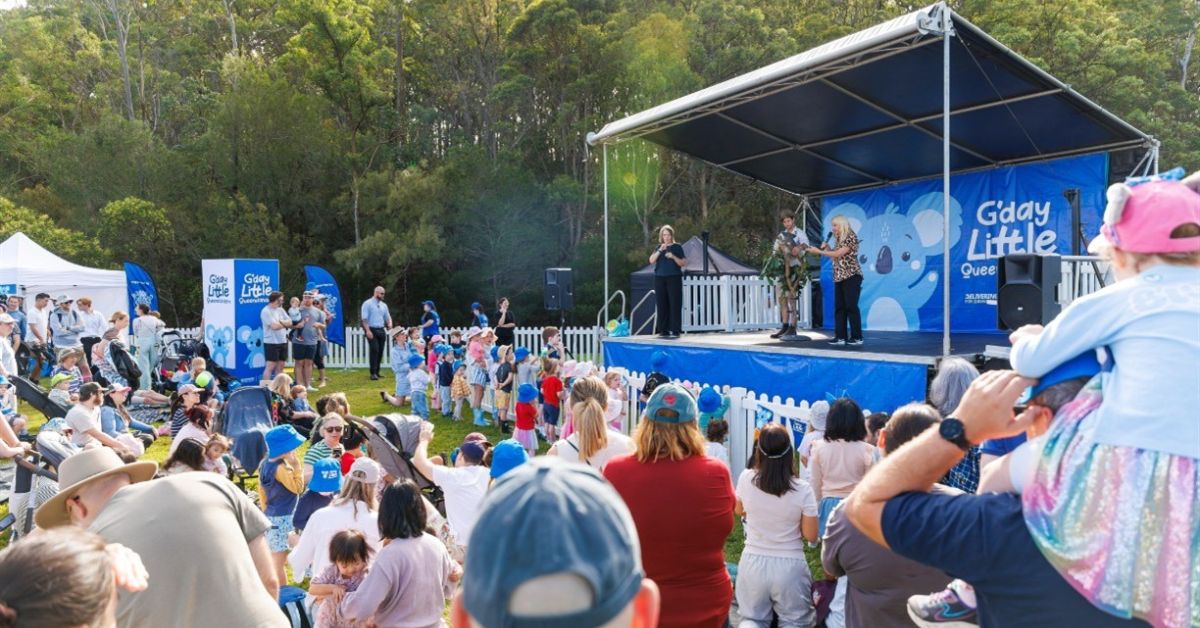
Families with babies and toddlers in the Redcliffe area have a free community morning coming their way, with the G’day Little Queenslanders event set for Pelican Park in Clontarf.
The event will run from 9am to 12pm on Sunday 12 July and is part of a statewide program visiting 14 Queensland regions in 2026, designed to celebrate children born in the past two years and connect their families with local services, community organisations and other parents in the area.
Entry is free and no registration is required to attend, though families who register in advance receive a personalised keepsake certificate on the day officially welcoming their child.
Inside the family-friendly program
The event is built around young children and the adults who bring them. Live kids’ entertainment including a Bluey Live Interactive Experience featuring Bluey and Bingo keeps small hands and feet busy, while creative family-friendly activities give little ones something to interact with beyond the usual park setting.
Information stalls from local services and community organisations give parents and carers a practical reason to browse, covering the kind of resources that are genuinely useful in the early years. Food and drink trucks will be on site, and dedicated chill-out spaces give families somewhere to settle for longer stretches rather than moving constantly.
The personalised certificate, produced on the day for families who register in advance, serves as a keepsake of the occasion, something to tuck into the baby box alongside the milestone photographs.
Pelican Park, Clontarf
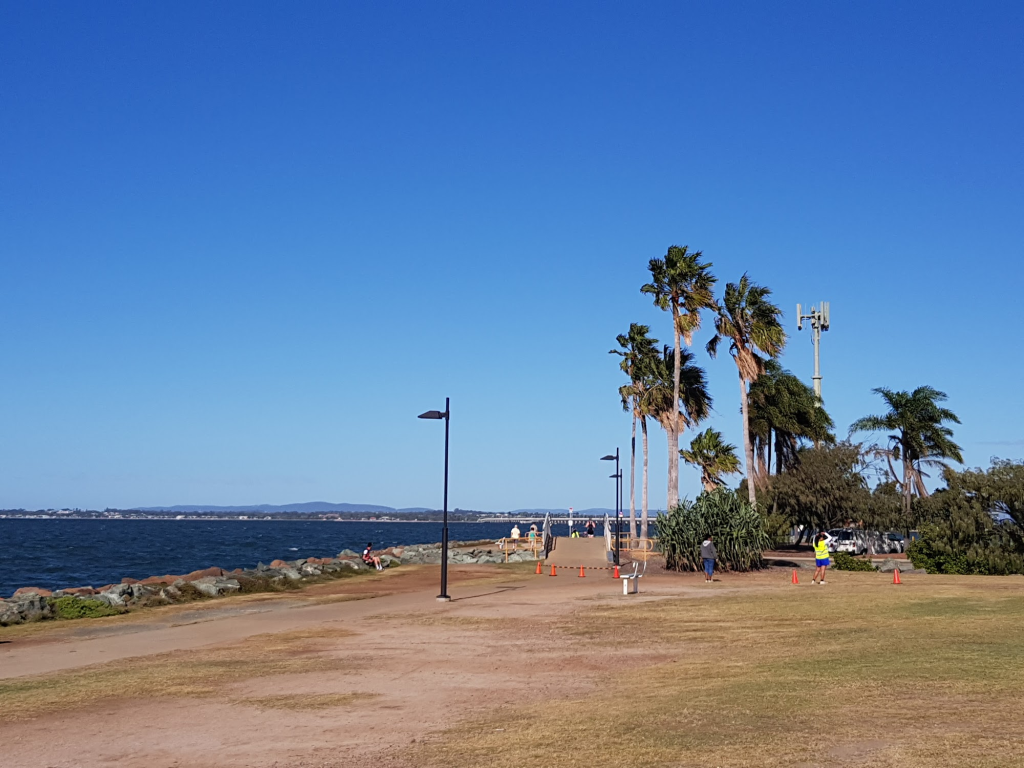
The event location at Pelican Park on the Hornibrook Esplanade sits at the edge of Bramble Bay with sweeping views across to the Hornibrook Bridge and the bay beyond.
The eastern shoreline of the Redcliffe Peninsula is known feeding ground for green turtles foraging the seagrass beds of Moreton Bay, giving the backdrop a quiet ecological significance that local families who spend time at the water’s edge here will already know.
The park has picnic facilities, grassy open areas and good vehicle access from Hornibrook Esplanade, making it a practical choice for families with prams and young children.
How to register
Families can find the Redcliffe event listing and register for a personalised certificate here. For general enquiries, contact the program team at littlequeenslanders@premiers.qld.gov.au or on 07 3003 9200.
G’day Little Queenslanders Redcliffe runs Sunday 12 July from 9am to 12pm at Pelican Park, 101 Hornibrook Esplanade, Clontarf.
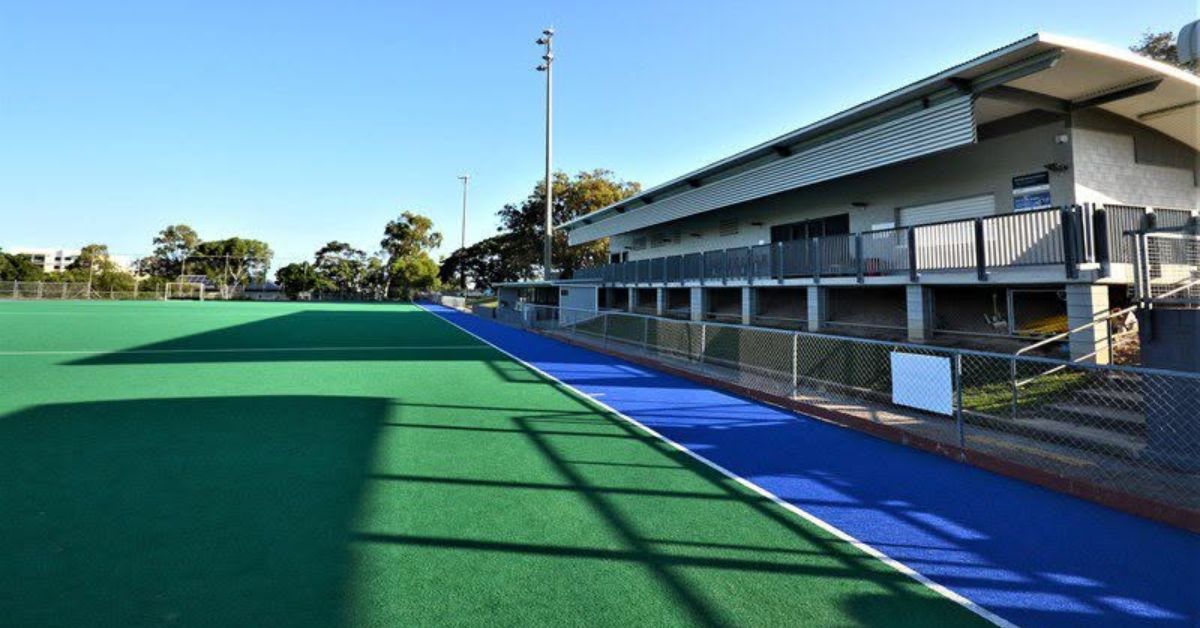
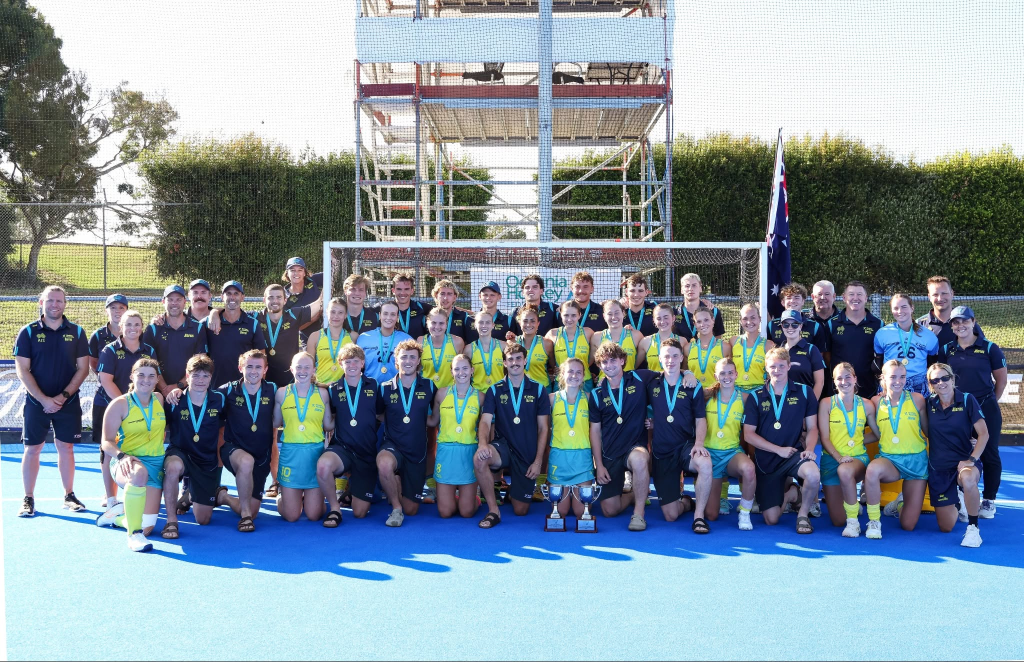
The Oceania Hockey Federation has announced Redcliffe as the host of its 2026 Under 21 Junior World Cup Qualifier, with elite junior national teams from across the Pacific set to compete at Mary Nairn Fields.
The tournament will run from 28 September to 4 October and will feature leading junior national teams from across the Pacific, including Australia and New Zealand, competing in an 11-a-side format for qualification to the FIH Junior World Cup. It is the region’s most significant junior hockey event and one of the few pathways through which Oceania nations can earn a place at the sport’s global showpiece.
Delivered in partnership with Redcliffe Hockey Club and City of Moreton Bay, the tournament marks a major milestone as an international hockey event for the Moreton Bay region.
A qualifying path that produces serious talent
The Oceania Under 21 Junior World Cup Qualifier is the competition through which Australia and New Zealand determine who represents the region at the FIH Junior World Cup.
The most recent edition was held in Auckland in January and February 2025, where New Zealand edged Australia to win the men’s qualifier in a shootout. Both nations qualified for the 2025 FIH Hockey Junior World Cup held in Tamil Nadu, India.
The 2026 qualifier at Redcliffe represents the next cycle in that pathway. Under-21 players competing this October are the generation building toward the Brisbane 2032 Olympic Games, where hockey will feature on the full program.
OHF CEO Craig Gribble described the tournament as a foundational step for emerging athletes. “This tournament is a vital pathway for emerging athletes aiming to compete on the world stage as we build towards Brisbane 2032,” he said. “Hosting the qualifiers in Redcliffe provides a unique platform for high-performance competition while also strengthening hockey across Oceania.”
A venue with nearly 100 years behind it
Photo credit: Supplied
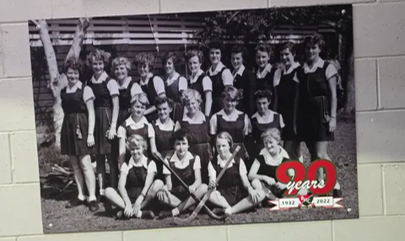
Mary Nairn Fields at Oxley Avenue is home to the Redcliffe Hockey Club, which has been a fixture of the Moreton Bay sports landscape since its foundation in 1932. The club runs both men’s and women’s competitions across multiple grades, and the Oxley Avenue grounds have hosted Queensland-level competition for decades.
Photo credit: Supplied
The club runs both men’s and women’s competitions across multiple grades, and the Oxley Avenue grounds have hosted Queensland-level competition for decades.
The event reinforces City of Moreton Bay’s growing reputation for hosting high-performance international sport and highlights the city as a destination for major events. Players, officials and supporters from across Oceania are expected to make the trip to Redcliffe for the week-long tournament.
Tournament details and schedule
Match schedules, team confirmations and ticketing details will be announced in the coming months as the tournament takes shape. The format is 11-a-side across the full week, with qualifying matches building toward a final that decides Oceania’s representatives at the FIH Junior World Cup.
For the Redcliffe community, the tournament represents a rare opportunity to watch elite international sport at a local venue, with players who will, in many cases, go on to represent their countries at Olympic level.
Further information will be available through the Oceania Hockey Federation’s website and Redcliffe Hockey Club’s channels as the event draws closer.
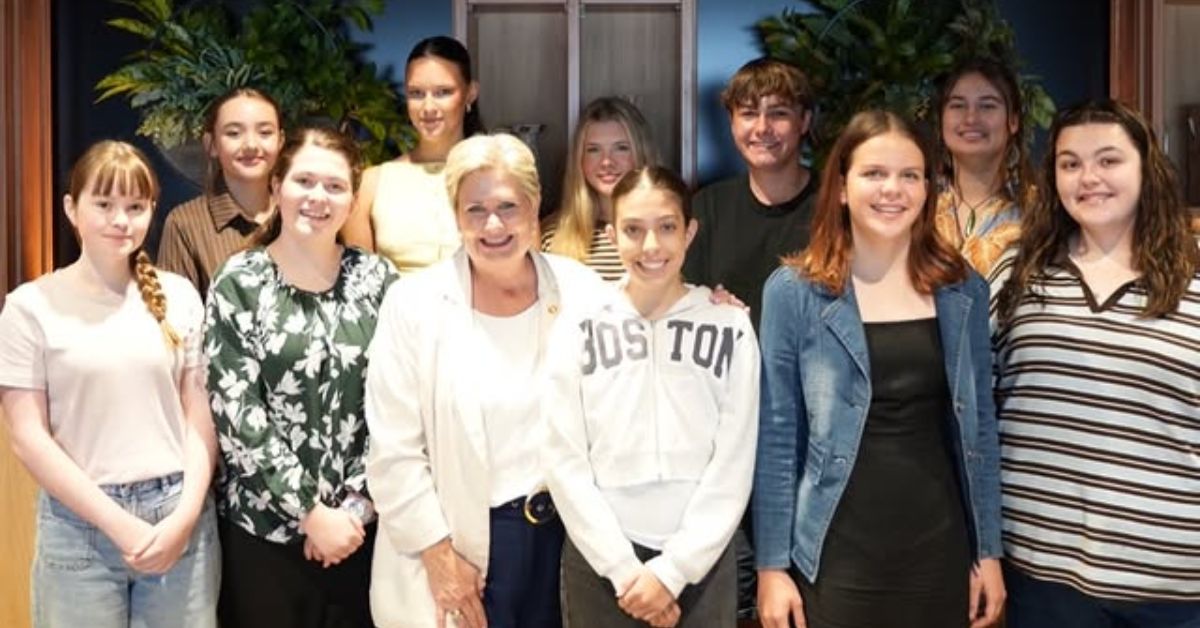
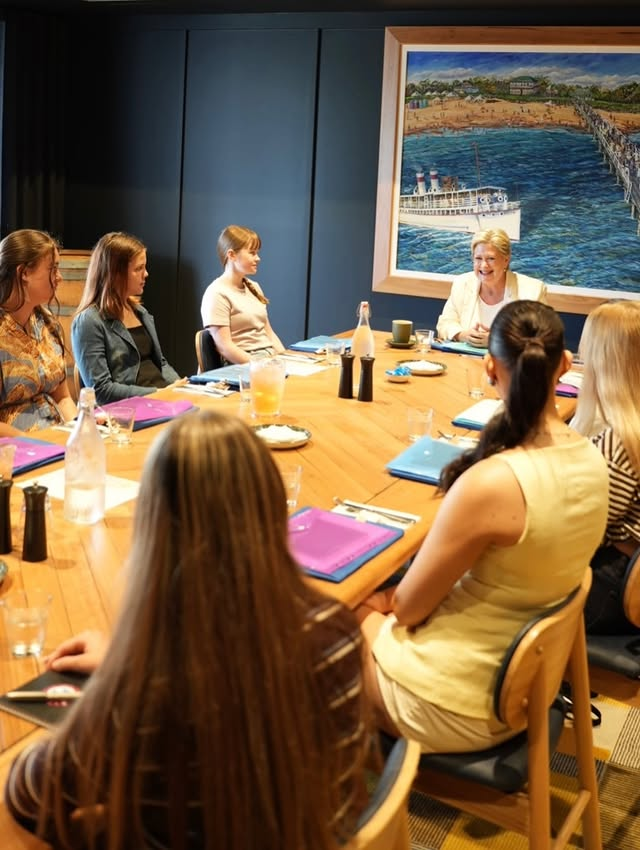
The Redcliffe Youth Advisory Council (RYAC) has selected 12 students from across the peninsula for its 2026 program, kicking off with a workshop where members identified the issues they believe matter most to young people in the region.
The group, drawn from schools, homeschool settings and university, spent their first session brainstorming the challenges and opportunities they want the program to address. Topics raised included poor behaviour in schools, career pathway information, financial literacy, environmental volunteering, access to mental health services and bullying.
It is the kind of list that reflects the range of perspectives in the room: practical, personal and community-minded in roughly equal parts.
The 2026 members
This year’s council brings together students aged 14 to 21 from across the Redcliffe peninsula.
Members were nominated by schools, self-nominated, or recommended by parents and teachers. Eligibility requires students to live in the Redcliffe area and be aged between 14 and 21.
A nine-month program with real-world experiences
RYAC runs across four workshops from now through to November. In July, members will take part in a personal development session on DISC profiling facilitated by Action Coach Brad Flynn. In September, the group visits Parliament House for a tour, a meeting with the Premier and the chance to watch Question Time in session.
The program wraps up in November with a family and carer morning tea, where members receive certificates of completion and celebrate their year’s work with the people who supported them through it.
For young Redcliffe residents interested in future programs, participants must live in the Redcliffe area and be aged between 14 and 21. More information is available by emailing redcliffe@parliament.qld.gov.au or by following the council on Instagram.
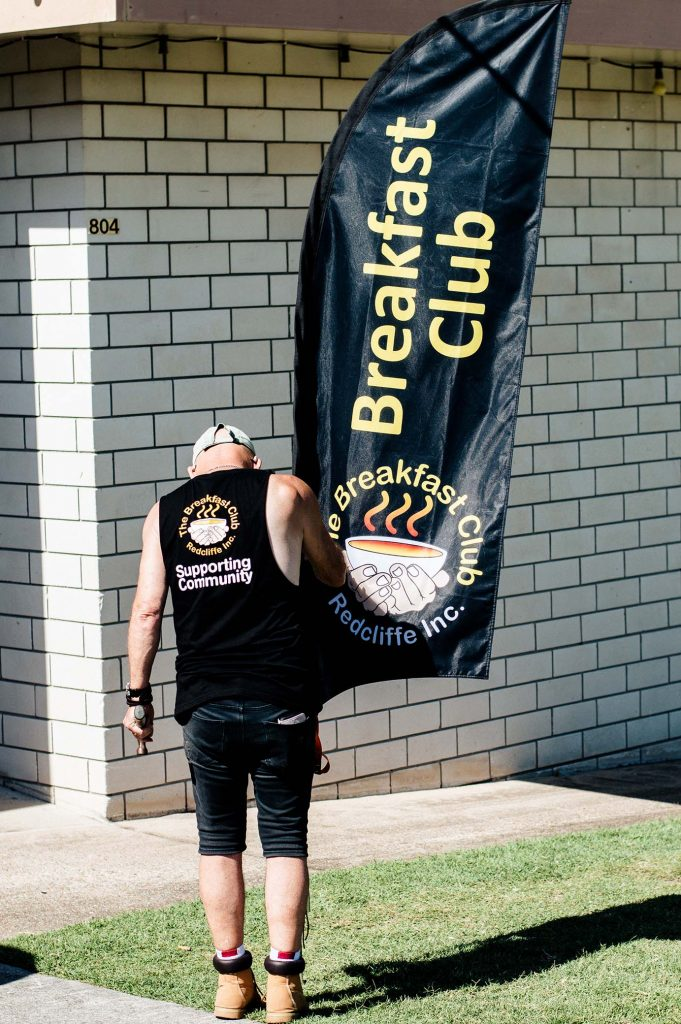
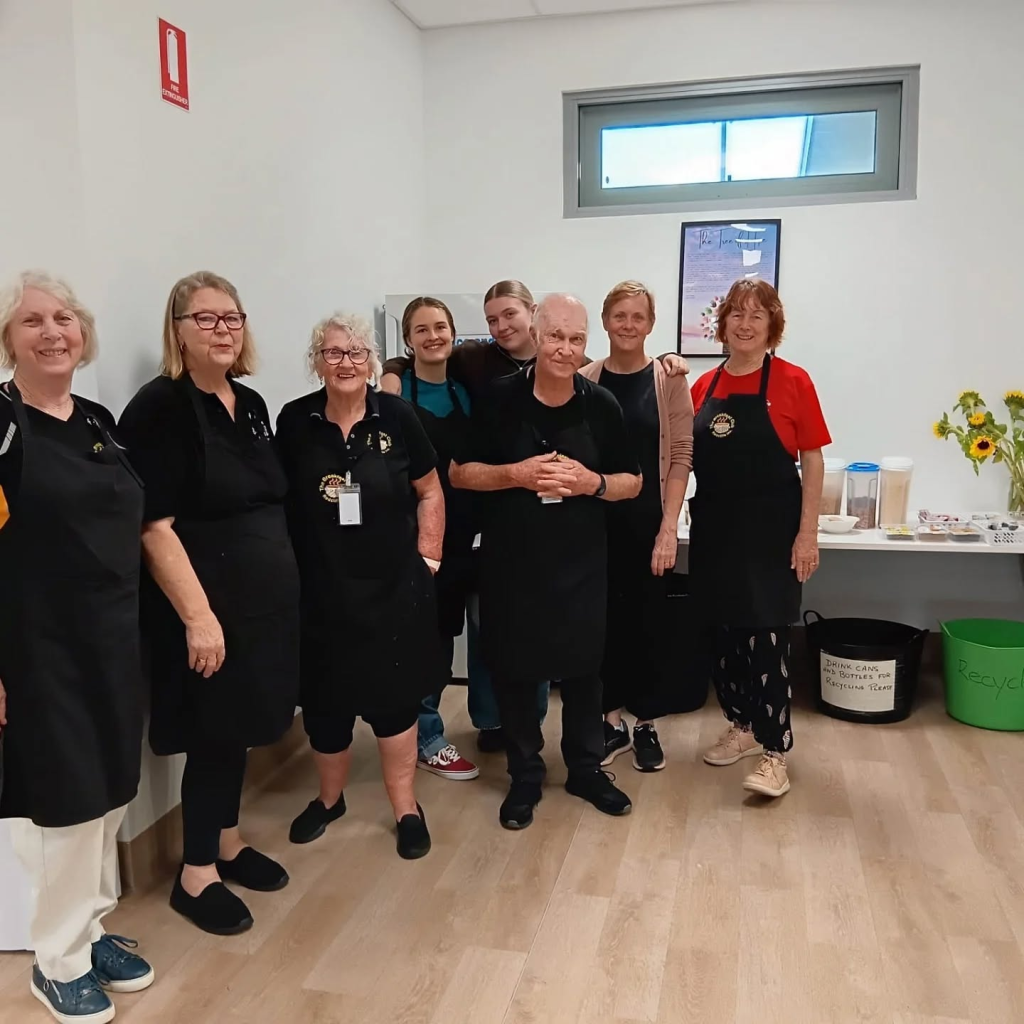
Every week at the Peninsula Support Hub, a volunteer team runs five meal services, hands out food hampers and opens the doors to showers, laundry facilities and internet access for people who need them.
The Breakfast Club has been doing this work since 2017, starting from a small shopfront with limited space and limited reach. The move to the purpose-built hub, which opened in July 2025, changed the scale of what was possible. The first breakfast service at the new hub fed 35 guests. Attendance has since doubled.
Since opening, the club has served 4,646 meals, distributed 1,081 food hampers, provided 714 showers and completed 401 loads of laundry for people experiencing homelessness or financial hardship.
More than just a meal service
The numbers are striking, but the feedback from guests puts a different kind of weight on them.
“It means I don’t feel like a refugee. It makes me feel human,” one guest said. Another described a first shower after months without access: “After a couple of months without a shower, having a hot shower made me feel alive and refreshed.”
For Breakfast Club President Michelle Gilchrist, that response is exactly what the service is designed to produce. “It provides a space where the community can come together and care for others,” she says. “People know they are welcome, whether they need support or simply have something they want to share.”
The hub sits within a broader support ecosystem run by the Salvation Army, which manages the facility and connects guests with housing advice, financial counselling, legal assistance, mental health support and family programs. In the hub’s first six months, 996 people received support, with 380 seeking help with housing and 219 seeking financial assistance or advice.
The partnerships that keep it running
The Breakfast Club relies on community organisations to maintain and expand what it offers. Orange Sky Australia sends volunteers each week to provide laundry services and helped fund upgrades to the hub’s drying facilities, a practical detail that makes a significant difference for guests trying to maintain clean clothes without a home.
Community Bank Samford, through its community grants program, recently funded a new commercial fridge that doubled the club’s cold food storage. The same grant covered computers for guests needing internet access and printing, as well as equipment for the administrative team.
Mandy Bell, Senior Branch Manager at Community Bank Samford, described The Breakfast Club as “a community pillar for the past nine years.”
“Recently, funding from our community grants program enabled them to buy a new fridge, doubling food storage for daily meal services and food hampers, which are distributed twice weekly to those in need,” Bell said.
A hub that feels like a neighbourhood
The Peninsula Support Hub was built as more than a service delivery point, and in practice it works that way. On any given day the building fills with conversation, volunteers preparing meals and guests who return regularly enough to feel ownership over the space.
Many guests help out with small tasks around the hub, contributing to the atmosphere rather than simply receiving from it. That dynamic, where people experiencing hardship also contribute to the community around them, reflects what the Breakfast Club has always aimed for.
The Breakfast Club operates from the Peninsula Support Hub at Oxley Avenue, Redcliffe. Volunteers and donors are always welcome. To get in touch or find out how to support the service, visit their site or contact the Salvation Army Redcliffe on (07) 3883 3200.
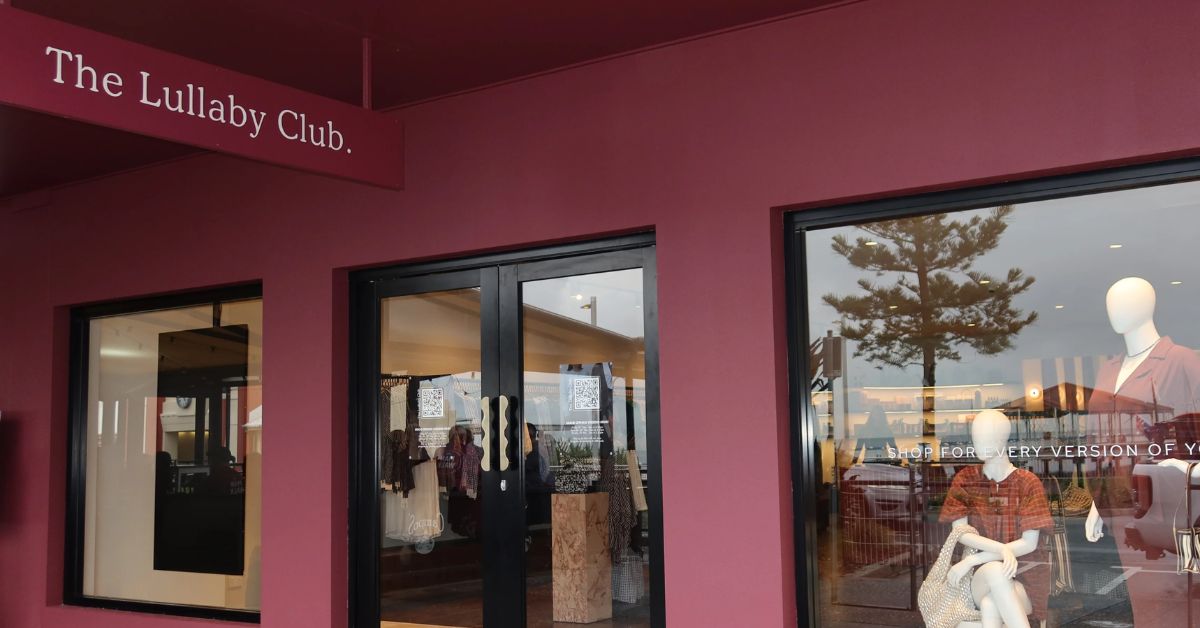
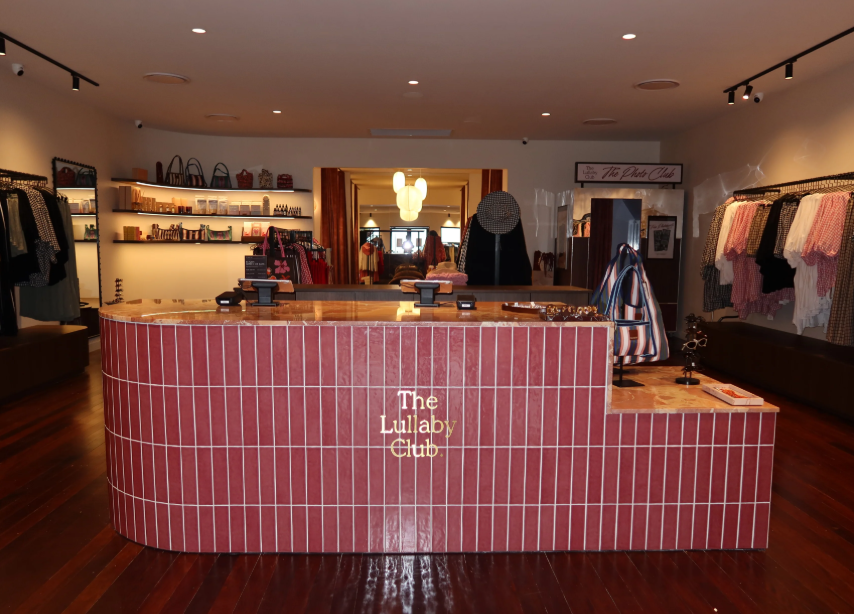
The Lullaby Club, the women’s clothing brand started by Moreton Bay mother and daughter Kevina and Marisa Taschke, has opened its first stand-alone store at Redcliffe, with queues stretching along the esplanade from early morning.
The opening on 29 May drew mums with prams, friends and loyal customers who had followed the brand online for years, lining up opposite the Redcliffe Jetty for what the founders have described as a homecoming rather than a launch. Sunny Side Cafe handed out free canned coffees and matchas to the first 50 through the door.
For a brand that grew because Redcliffe women wore it, talked about it and shared it before it had a name anyone outside the peninsula recognised, opening here first was never really a question.
How it all began in pregnancy
Marisa Taschke was pregnant with her second child when the idea for The Lullaby Club first took shape. She and her mother Kevina, both born in the Moreton Bay region and raised at Redcliffe, saw a gap that the existing fashion market wasn’t filling: clothing that was beautiful and practical at the same time, designed for women who were pregnant, breastfeeding or simply navigating the pace of everyday life without wanting to sacrifice how they looked doing it.
What started as a home business has grown into a national fashion brand stocking sizes 6 to 26, built largely through community word-of-mouth. The Taschkes are now based in Burpengary, but the brand’s roots have always been in Redcliffe.
“The Lullaby Club started from our shared love of fashion and a desire to create something that really supported women, especially mothers,” Marisa says.
“We saw a gap in the market for pieces that were both beautiful and practical, something you could feel confident in while also being comfortable, whether you’re pregnant, breastfeeding, or just navigating everyday life.”
The store sits directly opposite the Redcliffe Jetty on the esplanade, one of the most recognisable stretches of the Moreton Bay waterfront. Street parking is available out front.
The location was chosen deliberately. “This is the community that supported me from the very beginning,” Marisa says. “It felt right that this is where our doors open first.”
The brand’s opening weekend included a series of promotions and celebrations, with local businesses brought in alongside The Lullaby Club to mark what the Taschkes have treated as a community event rather than a retail opening.
Find the store
The Lullaby Club at 177 Redcliffe Parade is open now. Further details on trading hours and the current collection are available here.
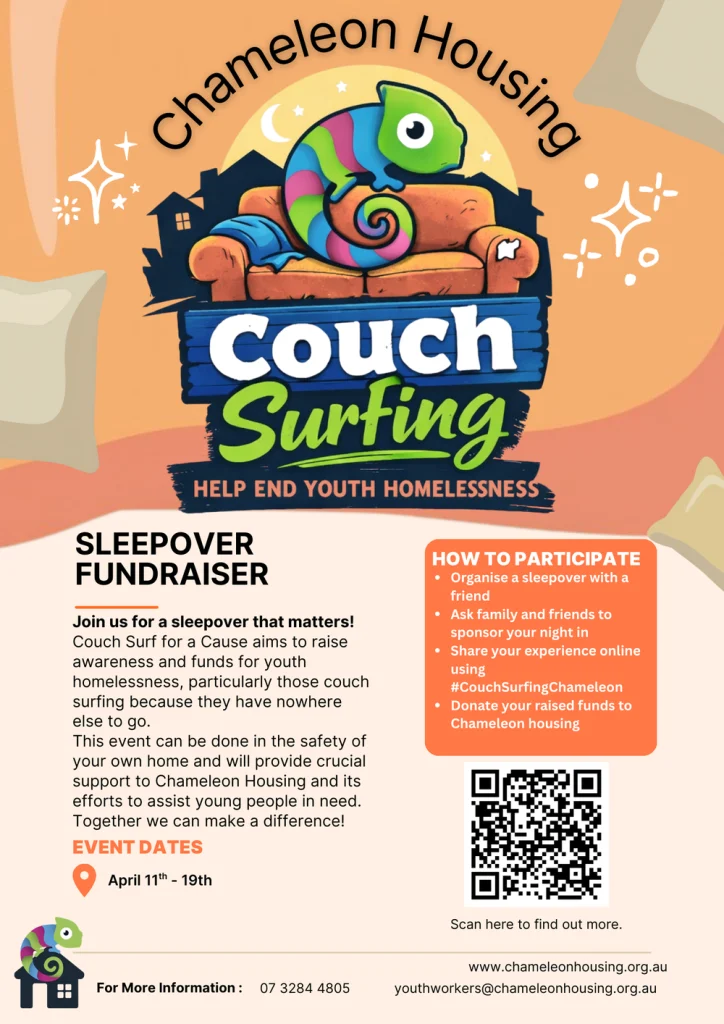
Hundreds of young people across Moreton Bay are living without stable housing, and this April Chameleon Youth Housing is turning that reality into action through its Couch Surfing campaign, inviting Redcliffe peninsula residents to experience just one night without their own bed.
The Couch Surfing campaign runs from 13 to 19 April, timed to coincide with Youth Week and Youth Homelessness Matters Day on 15 April. Participants swap their bed for a couch or floor at home for one night and collect sponsorship from friends, family or colleagues, with all funds supporting the organisation’s youth shelter and life skills programs at Kippa-Ring. Individuals, families, school groups and workplaces can all register, either solo or as a team.
The Homelessness No One Sees
The young people Chameleon Youth Housing works with are rarely visible in the way most people picture homelessness. They are not sleeping in parks or doorways. They are rotating between a friend’s couch one night, a relative’s floor the next, and sometimes a car when those options run out. Chameleon Youth Housing manager Nicki Kemp estimates between 600 and 1,000 young people across the City of Moreton Bay are living this way right now.
That figure aligns with what national data confirms about the scale of hidden youth homelessness across Australia. Couch surfing has been identified as a precursor to chronic homelessness, occurring in the very early stage when young people are still moving in and out of unstable situations, often while still at school, and young people who couch surf face real risks of sudden eviction from their temporary arrangements as well as physical, financial and other forms of exploitation by those hosting them.
Accurate statistics on couch surfing are difficult to establish because on Census night, a young person staying temporarily with another household may be recorded as a visitor with a usual residence, masking their actual housing situation entirely. The real numbers are almost certainly higher than official counts suggest.
In 2024-25, children and young people receiving homelessness support alone were more likely than any other client group to be couch surfing, at 27 per cent compared with 15 per cent of all clients nationally. Last year alone, Chameleon’s information line handled more than 2,000 contacts from people seeking help. In a region growing as fast as Moreton Bay, the reality is that for every young person offered a bed, there are dozens more still waiting in the shadows, moving between cars and couches.
What Chameleon Youth Housing Does
Chameleon Youth Housing has been supporting young people aged 16 to 25 who are homeless or at risk of homelessness for more than 30 years, providing safe and affordable accommodation on the Redcliffe peninsula and surrounding areas. Its model goes well beyond a bed for the night.
The Youth Housing Program pairs accommodation with practical case management, supporting residents to build cooking, budgeting and household skills while helping them identify personal goals and the steps needed to reach them. Young people also receive assistance reconnecting with education and employment, with the aim of securing long-term independent housing rather than cycling back through crisis accommodation.
Beyond its core youth housing work, Chameleon Youth Housing runs a Transitional Housing Program for young parenting families aged 18 to 25 experiencing accommodation crisis, and an Indigenous housing program called I CaN HOPe, providing culturally appropriate supported housing for Aboriginal and Torres Strait Islander families. The organisation also runs a dedicated Queensland Housing Information Platform line, responding to more than 2,000 contacts in the past financial year alone as demand across the region continues to rise.
It costs approximately $70 per night to house a young person at the shelter. The Couch Surfing campaign directly offsets those costs while building the community understanding that sustains longer-term support for the organisation’s work.
Why Community Fundraising Matters
Young people experiencing homelessness face compounding disadvantages: almost half of those seeking specialist homelessness services report a current mental health condition, and many struggle to sustain education, employment or social connection without a stable base. Early intervention, of the kind Chameleon Youth Housing provides, is consistently identified in research as the most effective way to prevent short-term housing instability from becoming long-term disadvantage.
Of the 39,000 young Australians who presented alone to specialist homelessness services in 2022-23, 47 per cent needed long-term accommodation. Only 4.3 per cent received it. Community fundraising campaigns like Couch Surfing fill some of the gap that formal systems leave behind.
How to Register and Get Involved
The Couch Surfing campaign runs from 13 to 19 April 2026. Registrations are open now for individuals, families, school groups and workplaces. Participants can register, set up a fundraising page and collect online sponsorships at chameleonyouthhousing.org.au/couch-surfing. To make a direct donation or enquire about other ways to support the organisation, contact Chameleon Youth Housing at 13 Dorall Street, Kippa-Ring, by phone on (07) 3284 4805 or by email at manager@chameleonhousing.org.au.
Photo Credit: Chameleon Youth Housing
If you need help: Young people experiencing homelessness or at risk of homelessness can contact Chameleon Youth Housing directly via the details above. This article discusses youth homelessness. If you or someone you know is experiencing difficulty, support is also available through the national Youth Homeless Hotline on 1800 882 633.
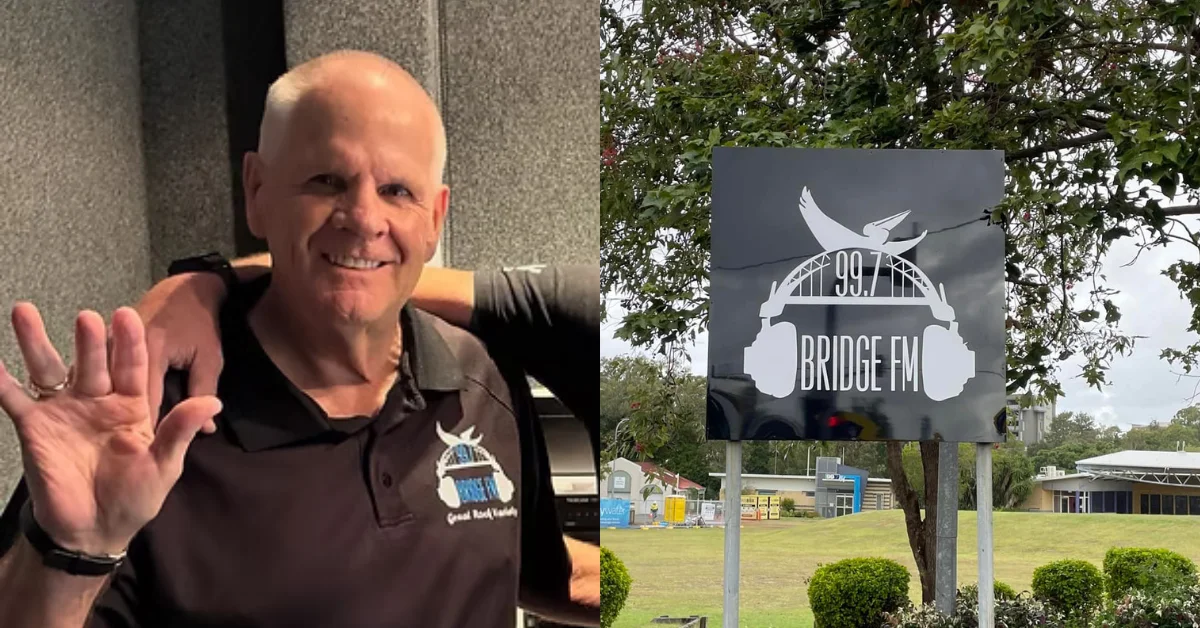
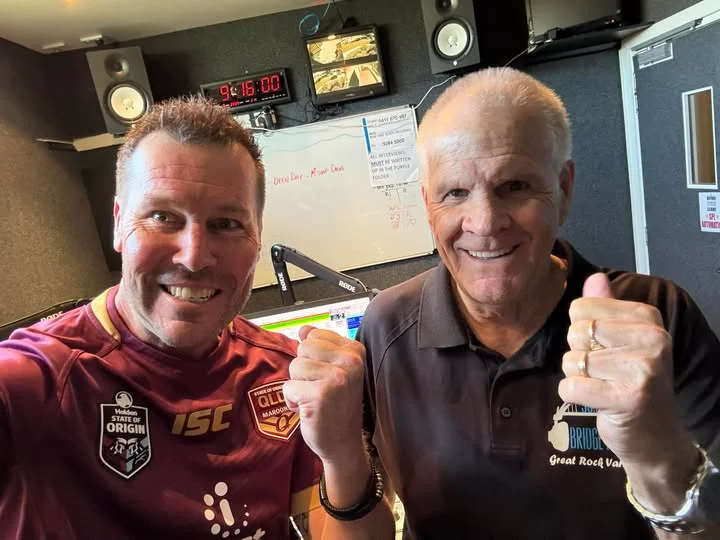
Community radio station 99.7 Bridge FM has been recognised for almost twenty years of dedicated volunteer service, as Moreton Bay Council moves to name its Redcliffe base after long-time leader and broadcaster Don Gailer.
Since joining the station in 2006, Don Gailer played a major role in building 99.7 Bridge FM into a stable, trusted voice for the peninsula. When he returned in 2013, the station was struggling with nearly $400,000 in debt.
Within two years, his leadership helped clear the financial burden and restore operations. He went on to serve four terms as president and hosted The Hump Show, which aired more than 500 times over 12 years.
Community Impact Beyond Radio
Under Gailer’s leadership, Bridge FM backed major local fundraisers including Raise It for Redcliffe Hospital, which brought in more than $220,000 for healthcare upgrades.
The station also helped promote Rockin 4 the Homeless, Convoy for Kids, and an annual Christmas Toy Appeal. These projects strengthened ties with families, businesses, and volunteers across the region.
Council’s Naming Proposal
Moreton Bay Council has unanimously supported a plan to name the building at 75 Anzac Avenue in Redcliffe after Gailer, who has lived in the area for 60 years.
The proposal will go through a public notification period before being finalised. If approved, a display board sharing the station’s history and Gailer’s contributions will be placed at the site.
A Station Built on Volunteers
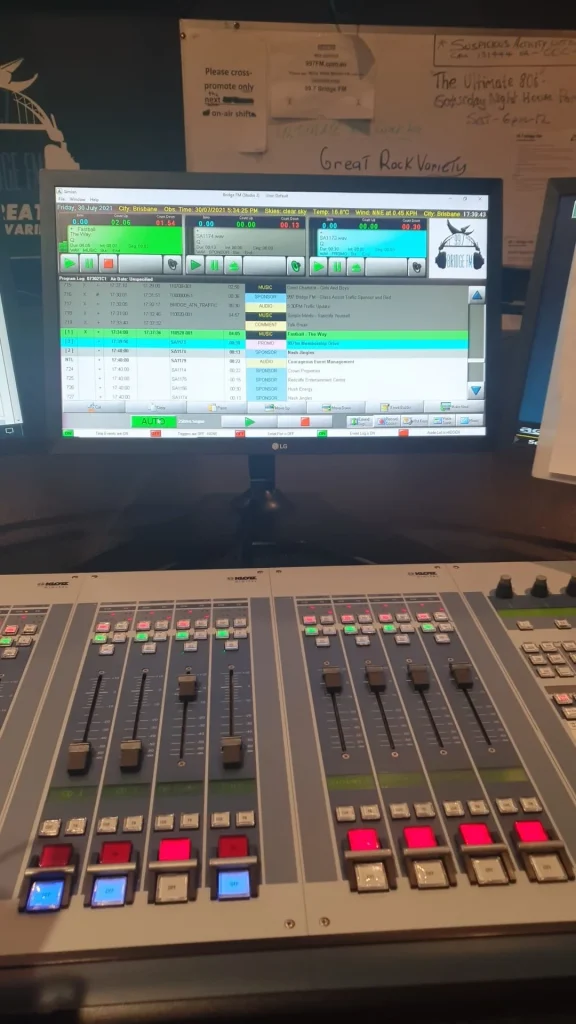
99.7 Bridge FM operates under Moreton Media Group Inc. and is run entirely by volunteers. Since 1992, it has broadcast local news, traffic, and community programs across Brisbane’s northside.
Its “great rock variety” format and strong community focus make it a staple for listeners from the Brisbane River to Caboolture. The station continues to provide a platform for aspiring presenters and gives airtime to non-profit organisations that serve the region.
Moreton Bay Regional Council unanimously approved the development application for a solar farm at Beachmere, which will have more than two hundred thousand solar panels that could power 12,000 households.
The approved Beachmere solar farm is a 67-hectare land located at 260 Wallace Rd North, Beachmere. Having a solar farm of this size means that it could generate up to 50 megawatts of energy each day—this is three times more than what the Sunshine Coast Regional Council-owned farm could generate.
Residents of the Moreton Bay Region are seen to be more keen when it comes to having sustainable and renewable energy given Queensland’s overall vulnerability to climate change. In fact, data from the latest Climate Council report show that Elimbah is the top suburb amongst 25 Queensland suburbs that has an outstanding record of 70.6% of dwellings with installed solar rooftop.
Bright and Sustainable Moreton Bay Region
Given the number of infrastructures that are placed and soon to be built at Moreton Bay Region, Council Spokesperson for Economic Development and Division 2 Councillor, Peter Flannery mentioned that is it is without a doubt that this region is one of the fastest-growing regions of Queensland today. And having this solar farm built will lead into a better, brighter and more sustainable future for Moreton Bay.
Beachmere too will benefit greatly from this project. The solar farm construction and operation would open a number of jobs for locals to take. And more importantly, the image of Beachmere—a simple coastal town, as a site taking and leading the charge for this project will definitely boost the area’s popularity.
According to Councillor Peter Flannery, the Beachmere solar farm is the first wide-scale renewable energy project of the region. This solar farm will feed and provide solar-powered energy directly into the grid—alleviating pressure from Energex, a power distributor whose main line runs through the site location.
“Energex supported the development as a means of alleviating pressure on the grid and it aligns with the Queensland Government guidelines for solar farms — designed to help Queensland achieve a 50% renewable energy generation target by 2030,” Cr Flannery said.
Cr Flannery also believed that this type of investment will usher a change for the often-overlooked Beachmere.
“This solar farm could herald the beginning of a bright and sustainable future for the Moreton Bay Region and I’m thrilled to see Beachmere leading the charge,” Cr Flannery said.
The construction of the Beachmere solar farm is expected to be completed in a span of 12 months. During the construction, the developer is required to have a 10-metre landscape buffer along all adjoining properties near the site.