

IN THE MARKET? – CLICK BELOW FOR OPEN HOMES THIS SATURDAY



From the Redcliffe esplanade to the trails of south-east Queensland, walking and hiking clubs are creating spaces where connection matters as much as the kilometres covered.
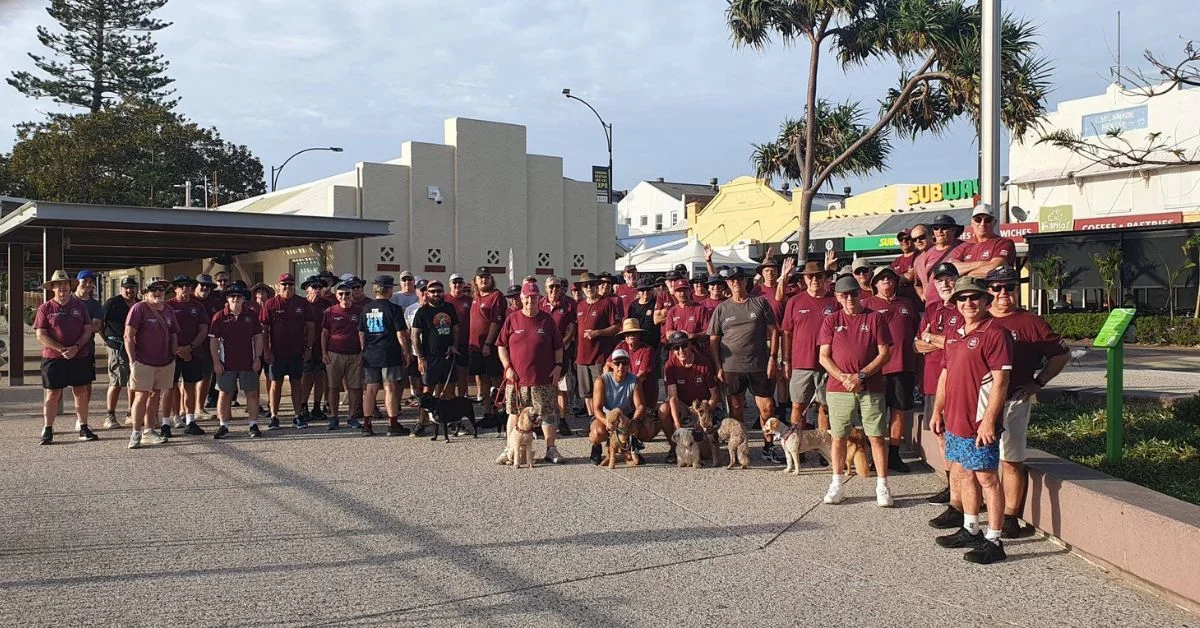
Every Tuesday, Thursday and Saturday morning, dozens of men in matching maroon shirts gather at Redcliffe Jetty for The Man Walk. The group, which often swells to more than 100 participants, has become one of the biggest in Australia since organiser Denis Brennan started the local chapter.


These groups are transforming how locals meet new people, stay active and find support in their communities, offering a straightforward solution to social isolation through regular outdoor activity.
Redcliffe’s Man Walk Draws Massive Crowds
Brennan says the walks typically cover about six kilometres, heading down to Scarborough one day and out to Scotts Point another. But the distance isn’t really the point.


According to Brennan, the real value comes from the friendships and camaraderie built during these regular meetups. He notes that wives have commented on positive changes in their husbands since joining the group. Local organisations including Redcliffe, Caboolture and Chermside hospitals often refer men to The Man Walk when they believe the social connection could help.

A Charles Sturt University study published in November found The Man Walk‘s combination of group walks and open conversation delivers significant health benefits. Dr Nicole Snowdon, who led the research, explains that participants reported improvements in physical health alongside opportunities for emotional support and connection, factors that help reduce anxiety, depression and loneliness.
Founded by Kiama man Mark Burns in 2019, The Man Walk now operates in more than 80 locations across Australia. The model is simple: create a positive, supportive environment where men can walk, talk and support each other without pressure or barriers to entry.
Brisbane Hikers Trading Bars for Trails
While The Man Walk focuses on men’s wellbeing, other groups across south-east Queensland are drawing younger, mixed crowds looking to socialise without alcohol at the centre.


Sian Anstis launched Hike Club Social in late 2023 when she found herself wanting to meet new people but tired of the bar scene. The Auckland native had grown up hiking New Zealand’s North Island but says her world had gotten small after five years in Brisbane.
Now based in Brisbane and travelling around Queensland for different hikes, the club attracts everyone from 18-year-olds fresh out of school to people in their seventies. Anstis says many participants are in their late thirties and early forties, looking to expand their social circles in ways that don’t involve drinking.
The response has been overwhelming. Within months of launching, Hike Club Social was flooded with interest from people drawn by the same desire to make genuine connections outdoors. While many of these community walks are free to join, the focus remains on keeping participation low-cost and accessible to anyone regardless of their budget.
Friendships and even romantic relationships have developed on the trails, beside waterfalls and while scrambling up mountain peaks. The club has expanded beyond day hikes to include camping events, boat days with snorkelling and even interstate trips to Tasmania for multi-day hikes.
Earlier this year, Anstis partnered with Health and Wellbeing Queensland’s Healthy Is Happening campaign. The collaboration came after research showed increasing numbers of Queenslanders aged 25-54 face cost and support barriers to exercise. Anstis says her goal has always been to create both a social and active group that helps people build confidence in hiking, socialising and being active outdoors.
Low-Pressure Exercise Gaining Ground
In central Queensland, a different approach to social exercise is drawing crowds in Yeppoon and Rockhampton. These groups emphasise that movement doesn’t need to be intense to be beneficial.
Exercise physiologist Shireen Rigby and dietitian Keira Murray started Salty Steps in Yeppoon as an alternative to the high-intensity workouts they’d both experienced through bodybuilding and CrossFit. The Sunday morning gathering features a 30-minute walk at participants’ own pace, followed by guided breath meditation and an optional swim.
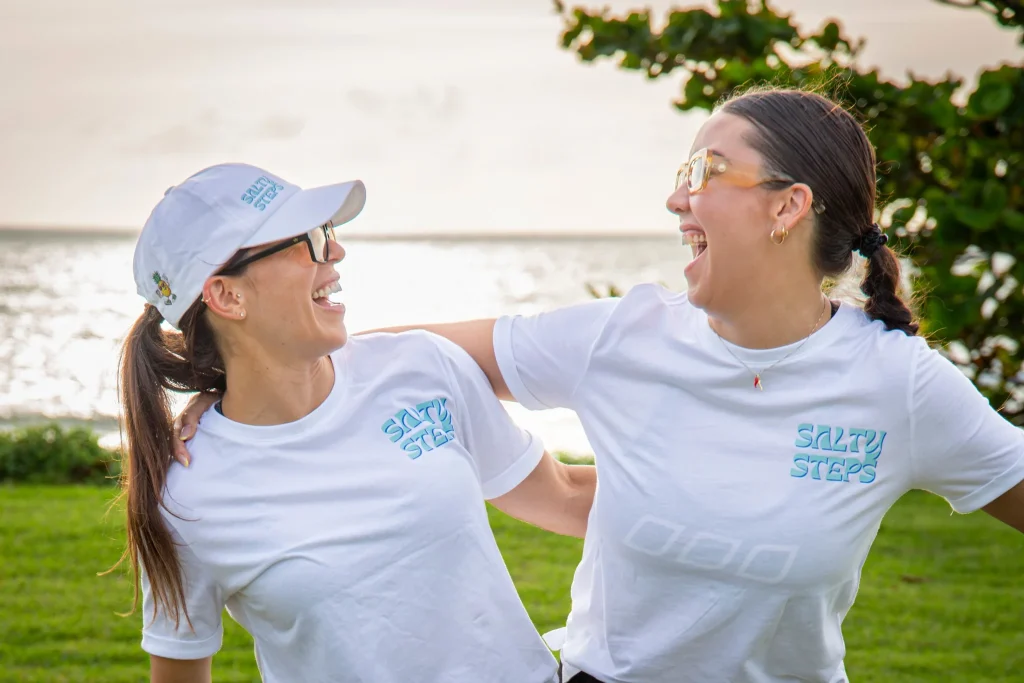
Rigby says social isolation was a huge component in many people’s health issues they encountered in their practice. Salty Steps was designed to address that without the pressure to perform or maintain intensity.
In Rockhampton, Georgia Howard founded Mum Miles Club last year, bringing waves of strollers to the streets each week. The club has grown significantly since launching, attracting mothers at all stages from those trying to conceive to those with newborns and older children.
Howard says the walks typically include coffee before or after, or playground time for the kids. But more importantly, the group creates space for important conversations and provides support for mothers who might otherwise feel isolated at home.
CQUniversity physical activity researcher Anetta Van Itallie says connection and mental wellbeing are major draws for these low-key social exercise groups. Research on habit formation shows that for physical activity to become a regular part of life, it needs to be fun and satisfying. She observes a growing preference for these groups among those seeking alternatives to the rigid schedules and high commitment levels often required by traditional club sports.
What These Clubs Share
Whether they’re walking along the Redcliffe waterfront, hiking through Queensland’s rainforests or strolling with prams through Rockhampton streets, these groups share common ground. They’re all about using movement as a vehicle for human connection rather than an end in itself.
The clubs operate on accessible principles: minimal equipment, low-to-no financial barriers, and a welcoming attitude toward all fitness levels. They’ve tapped into what research increasingly confirms—that for many Queenslanders, the social ‘safety net’ of a group is just as vital for long-term health as the physical activity itself.
For residents across south-east Queensland looking to break out of isolation, these groups offer a straightforward solution. Show up, move your body and talk to people doing the same. The kilometres covered might vary, but the destination is the same: stronger communities built one walk at a time.
Published 2-February-2026.
CLICK ANY LOGO TO SEE PUBLICATION